
Planting
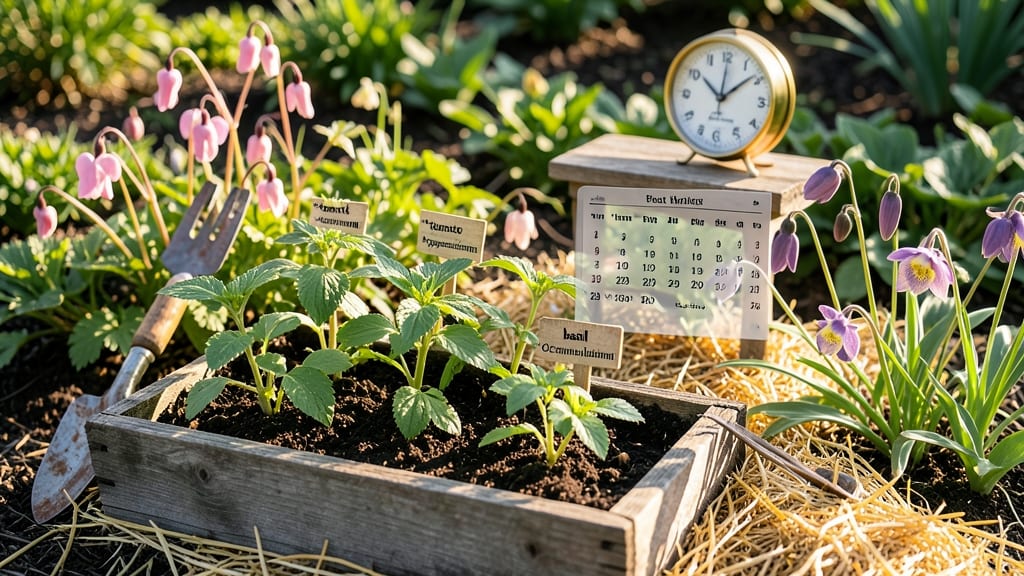
Timing your garden planting in Missouri can make or break your harvest—get it wrong, and you might end up with wilted seedlings or stunted growth.
The state’s varied climate zones mean what works in St. Louis won’t always suit Kansas City or the Ozarks, so knowing the right window is key.
Whether you're dreaming of crisp spring greens or juicy summer tomatoes, understanding your local frost dates is the first step. I’ll break down Missouri’s planting windows by region, so you can start seeds and transplant with confidence—no more guessing games.
From cool-season crops like peas to heat-loving peppers, we’ll cover what to plant when for your zone. Plus, I’ll share pro tips for adjusting to Missouri’s unpredictable weather, like using row covers or choosing cold-hardy varieties.
Ready to grow a thriving garden? Let’s dive into the best times to plant for your Missouri location and maximize your harvest potential.
Missouri frost dates by region: key planting windows for vegetables and flowers
Missouri’s diverse climate creates distinct planting zones, each with its own last frost dates and ideal planting windows. Whether you're in northern Missouri or the humid Bootheel, timing your garden correctly ensures healthy growth and abundant harvests.
Let’s break down the average frost dates and best planting times for each region.
The Missouri Department of Agriculture divides the state into five key climate zones, each with unique frost patterns. Understanding these helps you choose the right cool-season crops (like spinach and peas) for early planting and warm-season crops (like tomatoes and peppers) for later in the season.
Let’s explore each zone’s specifics.
Visual Reference: Use this comparison table to find your region’s frost dates and ideal planting windows for both vegetables and flowers.
| Region | Average Last Frost | Cool-Season Planting | Warm-Season Planting | First Frost |
|---|---|---|---|---|
| Northern Missouri (St. Louis, Kansas City) | April 15 | March 15 - April 15 | May 1 - May 15 | October 30 |
| Central Missouri (Columbia, Jefferson City) | April 10 | March 1 - April 10 | April 25 - May 10 | October 25 |
| Southern Missouri (Springfield, Poplar Bluff) | March 25 | February 20 - March 25 | April 15 - April 30 | November 10 |
| Ozarks (Branson, West Plains) | April 5 | March 10 - April 5 | May 1 - May 10 | October 20 |
| Bootheel (Cape Girardeau, Poplar Bluff) | March 15 | February 10 - March 15 | April 1 - April 15 | November 5 |
For example, if you live in northern Missouri, you’ll want to plant cool-season crops like broccoli and lettuce by March 15 to avoid frost damage. Meanwhile, warm-season crops like tomatoes and peppers should wait until May 1 to ensure they thrive in the warmer soil.
In southern Missouri, where frost arrives later, you can start planting cool-season crops as early as February 20. This extended season allows for multiple harvests and even fall planting of crops like kale and spinach after the first frost in November.
Missouri’s Ozark region has a slightly shorter growing season, so timing is critical. Plant warm-season crops by May 1 to ensure they mature before the first frost on October 20. Consider using row covers or cold frames to extend the season for sensitive plants.
Always check your local almanac or USDA Plant Hardiness Zone Map for precise frost dates. Even within a region, microclimates can shift planting windows by a week or more. For instance, a south-facing garden warms up faster than a north-facing one, allowing for earlier planting.
If you’re unsure about your exact frost dates, use frost-sensitive plants like basil or cucumbers as a test. Plant them early and watch for signs of frost damage. This helps you fine-tune your planting schedule for future seasons.
For flowers, timing varies by type. Annuals like marigolds and zinnias thrive when planted after the last frost, while perennials like coneflowers can handle cooler temperatures. Always match your flower varieties to your
How to adjust planting times for Missouri’s unpredictable weather patterns
Missouri’s weather can be as unpredictable as a whirlwind—one day it’s warm enough to plant tomatoes, and the next, a late frost threatens to wipe out your seedlings. The key to success? Flexibility.
Adjusting your planting schedule based on local forecasts and historical data can save your garden from disaster. For example, the infamous "Black Snail" cold snap in April often catches gardeners off guard, so planning ahead is critical.
Start by monitoring local frost dates and using tools like the Missouri Climate Center’s frost calendar. If your area tends to have late frosts, opt for cold-hardy varieties like kale or spinach, which can handle cooler temperatures.
For warm-season crops like peppers, consider starting them indoors 4-6 weeks before the last expected frost to give them a head start.
Another smart strategy is using row covers or cold frames to extend your growing season. These simple tools can add 2-4 weeks of protection against late frosts, allowing you to plant earlier in spring or later in fall. Just
🌱 Pro Tip: If you’re in the Bootheel region, where summers are hotter, focus on heat-tolerant crops like okra or sweet potatoes. Meanwhile, gardeners in the northern Ozarks should prioritize fast-maturing varieties to avoid early fall frosts.
Don’t forget to check soil temperatures—most warm-season crops need soil to reach at least 60°F before planting. A soil thermometer is your best friend here! If temperatures fluctuate, hold off until conditions stabilize. Patience now means a healthier, more productive garden later.
For those who love pushing limits, succession planting is a game-changer. Instead of planting everything at once, stagger your seeds every 2-3 weeks to ensure a continuous harvest. This works especially well for lettuce, radishes, and bush beans, which mature quickly even in Missouri’s shorter growing seasons.
Finally, keep an eye on weather forecasts in late April and early May. If a cold snap is predicted, rush to cover tender plants or bring potted seedlings indoors temporarily. A little preparation goes a long way in Missouri’s ever-changing climate! ☀️
⚠️ Warning: Late Frost Risks in Missouri
April frosts are common in Missouri, especially in northern and central regions. If you plant warm-season crops like tomatoes or peppers too early, a single frost can kill them. Always have a backup plan—whether it’s extra row covers or a greenhouse setup.
By staying flexible and adapting to Missouri’s quirks, you’ll turn unpredictable weather into an advantage. Whether you’re a seasoned gardener or a beginner, these adjustments will help you beat the odds and enjoy a thriving garden all season long. 🌿