
Plants
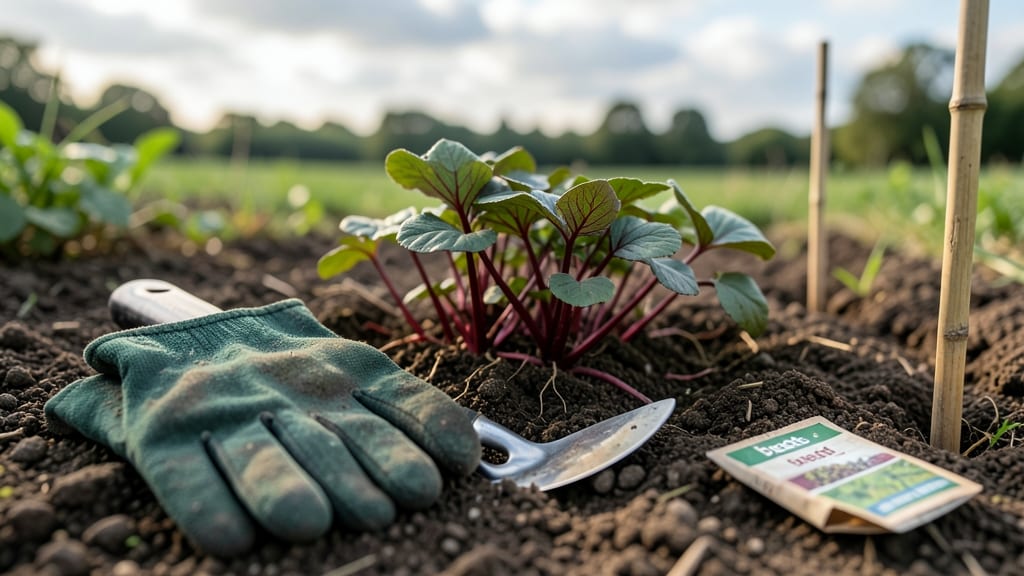
Planting beets at the wrong time in Zone 6b can turn your crisp, sweet 🍠 harvests into tough, woody disappointments—and missing the exact window means frost or heat ruins everything. The difference between success and failure often comes down to timing, especially when your last frost looms just weeks away.
I’ve grown beets in Zone 6b for years, and the key is knowing when to start seeds for spring harvests (aim for 4-6 weeks before your last frost) and when to plant for fall crops (July-August).
Too early? Frost will nip tender seedlings. Too late? Your harvest shrinks before winter sets in.
What if your spring is unpredictable, with late frosts or sudden heatwaves? I’ll show you how to adjust planting dates, choose cold-hardy varieties, and use succession planting to stretch your harvest—so you’re never left with empty garden space or bitter-tasting roots.
Ready to grow beets that are crisp, sweet, and plentiful? Let’s dive into the exact weeks to plant, soil prep secrets, and how to avoid the most common mistakes that turn gardeners away from this easy-to-grow veggie.
Zone 6B beet planting schedule: exact weeks before last frost for best harvests
If you've ever planted beets in Zone 6B only to end up with bitter, woody roots, timing is likely the culprit. Beets are cool-season crops that thrive when soil temperatures hover between 50°F and 75°F.
Planting too early exposes them to late frosts, while waiting too long risks bolting—when they prematurely flower and become tough. The key? Start seeds 4-6 weeks before your last frost date, which for Zone 6B typically falls around April 15.
For most gardeners in Zone 6B, this means your ideal planting window opens in early March, with follow-up sowings every 2-3 weeks until mid-May. This staggered approach ensures a steady harvest and accounts for Zone 6B’s unpredictable spring weather.
But timing isn’t just about frost—soil temperature plays an equal role. Beets won’t germinate well in cold soil, so wait until the ground reaches at least 50°F before planting.
Here’s the golden rule: Calculate your last frost date (use the USDA’s Zone 6B average of April 15 as a starting point), then count backward 4-6 weeks. For example, if your frost date is April 15, your first planting should happen around March 1-15.
This gives beets enough time to mature before summer heat sets in. For a fall harvest, aim to plant seeds in late July to early August, allowing them to mature before the first frost in mid-October.
| Planting Window | Zone 6B Timing | Soil Temp | Harvest Window |
|---|---|---|---|
| Early Spring | March 1–15 (4-6 weeks before last frost) | 50°F–60°F | June–July |
| Succession Planting | Every 2–3 weeks until May 15 | 50°F–75°F | June–August |
| Late Summer | July 20–August 10 | 60°F–70°F | October–November |
🌱 Pro Tip: Use a soil thermometer to confirm temps before planting!
Zone 6B’s unpredictable spring weather can throw off even the most precise planting plans. If you’re unsure about your exact last frost date, check local weather records or use the National Oceanic and Atmospheric Administration (NOAA) frost calculator.
For example, if your area tends to have late frosts in early May, adjust your planting schedule accordingly. In my garden, I’ve learned to err on the side of caution—planting the first batch in mid-March and using row covers to protect young seedlings from unexpected cold snaps.
Another critical factor is soil preparation. Beets prefer loose, well-draining soil with a pH between 6.0 and 7.0. Before planting, amend your soil with compost or aged manure to improve fertility and drainage. I like to till in a 1-inch layer of compost a week before sowing seeds.
This not only feeds the beets but also helps retain moisture, which is especially important in Zone 6B’s dry springs. Avoid fresh manure, as it can cause nitrogen burn and stunted growth.
For gardeners eager to extend their harvest, succession planting is a game-changer. After your first planting in early March, sow additional seeds every 2-3 weeks until mid-May. This ensures a continuous supply of fresh beets throughout the summer.
In my experience, spacing plantings this way also reduces the risk of bolting, which occurs when beets sense warm temperatures and shift their energy into flowering instead of root development. If you notice your beets bolting prematurely, harvest them immediately—they’ll still be edible, though less sweet.
Don’t overlook the fall planting window, either. While spring is the star for beet lovers, a late-summer sowing in July or August can yield a second harvest in fall.
The key here is to choose quick-maturing varieties like ‘Detroit Dark Red’ or ‘Babybeat’, which can go from seed to harvest in as few as 45 days.
Plant these seeds 8-10 weeks before your first frost (around mid-October in Zone 6B) to ensure they mature before the ground freezes. Just be prepared to protect seedlings with row covers if temperatures dip unexpectedly.
Finally, keep an eye on your beet harvest timeline. Most varieties take 50-60 days to mature, but this can vary based on soil conditions and variety. For example, ‘Golden Beet’ matures faster (around 45 days) than ‘Chioggia’ (closer to 60 days).
To avoid missing the window, mark your planting dates on a calendar and set reminders
How to adjust beet planting times for Zone 6B’s unpredictable weather patterns
Zone 6B’s unpredictable weather can turn your beet planting plans upside down—one day it’s 60°F and sunny, the next it’s a late frost warning. The key is flexibility.
Start by checking your local frost dates (typically April 15 for last frost) and adjust planting 2-3 weeks earlier if spring stays cold. Use a soil thermometer to confirm temps are above 50°F before sowing.
For late frosts, opt for cold-hardy varieties like ‘Detroit Dark Red’ or ‘Golden’. These tolerate light frosts better than delicate types. If frost hits after germination, cover seedlings with row fabric until danger passes.
Remember, beets can handle light frost but won’t thrive if soil stays below 45°F for long.
Heatwaves in late spring can also derail your plan. If temps climb above 85°F, beets bolt quickly, turning tough and woody. To beat the heat, plant succession crops every 2-3 weeks from March to early June. This ensures a steady harvest before summer peaks.
🌱
- 📅 Start indoors 4-6 weeks before last frost for early spring harvests.
- ❄️ Use row covers if frost threatens after germination (beets tolerate 28°F).
- ☀️ Plant in partial shade during heatwaves (6+ hours sun is ideal, but 4 hours works in summer).
- 🌱 Succession plant every 2-3 weeks from March to June for continuous harvests.
- 📉 Avoid planting after July 15—summer heat reduces root quality.
Don’t overlook fall planting for a second harvest! In Zone 6B, sow seeds 8-10 weeks before first frost (around July 15-August 1). This gives beets time to mature before cold sets in. Choose fast-maturing varieties (50-55 days) like ‘Babybeat’ or ‘Chioggia’ for reliable fall crops.
Pro tip: Test your soil before planting—beets prefer pH 6.0-7.0. If your soil is too acidic, amend with lime 2-3 weeks before sowing. Overly alkaline soil? Add sulfur or peat moss. Well-prepped soil helps beets withstand Zone 6B’s temperature swings.
Finally, keep an eye on moisture levels. Beets need consistent water (1 inch per week), but drought stress makes them bolt. Mulch with straw to retain moisture and regulate soil temps. With these adjustments, you’ll beat Zone 6B’s weather quirks and enjoy crisp, sweet beets all season.
💧