Companion Plants
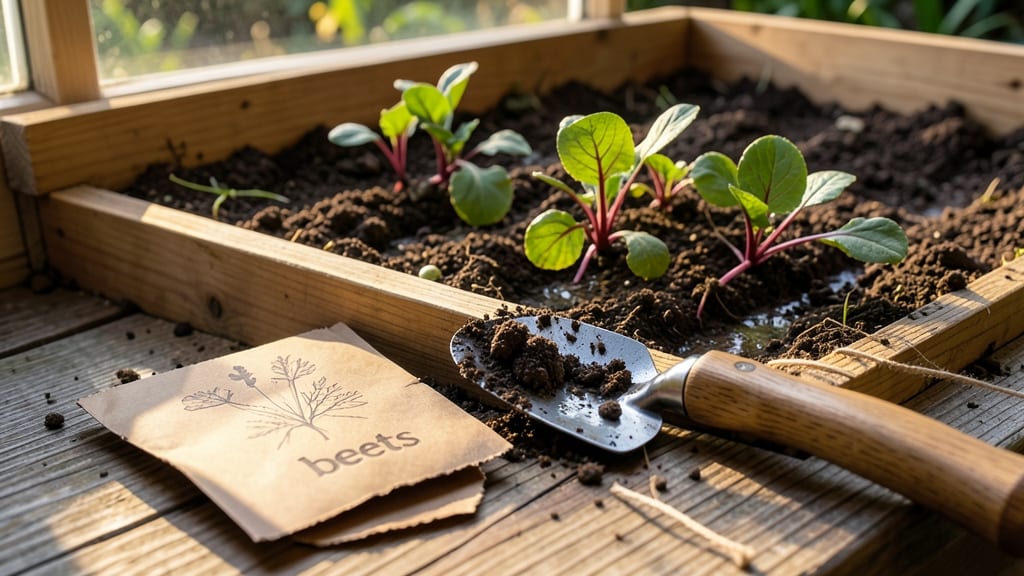
Zone 7 beet planting timeline: exact weeks before last frost for best results
In Zone 7, your last spring frost typically occurs around March 15, but beets are sensitive to cold soil. Planting too early can stunt growth, while waiting too long risks bolting (flowering) in summer heat.
The sweet spot? Start seeds 4-6 weeks before your last frost, usually in late February to early March.
For a fall harvest, aim to sow seeds 8-10 weeks before your first frost (around mid-September in Zone 7). This gives beets time to mature before temperatures drop below 20°F (-7°C). Fall-planted beets often develop sweeter flavors due to cooler weather.
Beets thrive in soil temperatures between 45°F (7°C) and 80°F (27°C). If your soil is still chilly in early spring, use black plastic mulch or a cold frame to warm it up. Always check soil temps with a thermometer before planting—cold soil can delay germination for weeks.
Here’s your Zone 7 beet planting timeline, including ideal windows for both spring and fall harvests:
| Season | Planting Window | Soil Temp | Days to Harvest | Harvest Months |
|---|---|---|---|---|
| Spring | Late Feb - Early Mar | 45°F+ (7°C+) | 50-70 days | June - July |
| Summer (Succession) | Late July - Early Aug | 60°F+ (15°C+) | 45-55 days | September - Oct |
| Fall | Mid-Sept - Early Oct | 50°F+ (10°C+) | 50-60 days | October - Nov |
For early varieties like 'Detroit Dark Red', plant in late February to harvest in early summer. For late varieties like 'Chioggia', wait until early March to avoid bolting. Always choose varieties suited to your season—some handle heat better than others.
If you’re unsure about frost dates, use the 50/50 rule: Wait until half the nights have warmed above 32°F (0°C) before planting. In Zone 7, this often aligns with mid-to-late March. A frost clock or local extension service can provide precise dates for your exact location.
Pro tip: Direct-sow seeds—beets hate transplanting. Scatter seeds ½ inch deep and 1 inch apart, then thin seedlings to 3-4 inches apart once they’re 2 inches tall. This spacing prevents overcrowding, which leads to small, misshapen roots.
In Zone 7, you can even try a winter harvest! Plant seeds in late September for roots to mature before ground freezes. Use straw mulch (6+ inches thick) to insulate them through winter. Check for harvest-ready beets in late winter or early spring—they’ll taste sweeter after frost!
Remember: Consistent moisture is key. Beets need 1 inch of water weekly, but avoid soggy soil. In summer, water deeply in the morning to prevent bolting. With the right timing, you’ll enjoy tender, sweet beets from spring through fall in Zone 7.
How to extend beet harvests in Zone 7: succession planting and fall crops
Zone 7 gardeners can enjoy homegrown beets from spring through fall with the right strategy. The key is succession planting—staggering plantings every 2-3 weeks—to keep a steady supply of tender roots. This works especially well because beets tolerate cool weather but struggle when temperatures climb above 80°F (27°C).
For a spring harvest, start your first planting 4-6 weeks before your last frost date (around early March in most of Zone 7). Then, sow new seeds every 2 weeks until early May.
This ensures you’ll have beets ready to pull just as summer heat arrives, when their flavor starts to suffer.
Don’t stop there! Fall planting is where Zone 7 gardeners truly shine. Beets are cool-season crops, so they thrive in late summer and early fall. Aim to plant your final succession in late July or early August, giving them 60-70 days to mature before frost hits in mid-November.
🌱Pro Tip: Use row covers or cold frames to extend your fall harvest even further. These protect young plants from early frosts and can push your harvest window into December.
📅 Zone 7 Beet Planting Calendar
- Early March: First planting (4-6 weeks before last frost)
- Every 2 weeks: Succession plantings until early May
- Late July: Final summer planting for fall harvest
- Early August: Second fall planting for late-October harvest
- September: Lightly fertilize for extended growth
When planning your fall beet garden, choose heat-tolerant varieties like 'Detroit Dark Red' or 'Chioggia', which handle summer heat better than standard types. Plant seeds ½ inch deep and thin seedlings to 3-4 inches apart to prevent competition and ensure large, sweet roots.
Remember, beets stored in cool, dark conditions (like a root cellar) can last several months. This means you can plant early and late, then store your harvest for winter use. With this approach, you’ll have fresh beets from spring through winter—no grocery store needed!
✂️Harvest Tip: Pull beets when roots are 1-3 inches wide for the sweetest flavor. Larger beets become woody and tough, so stay on top of your plantings to enjoy peak quality.