
Plants
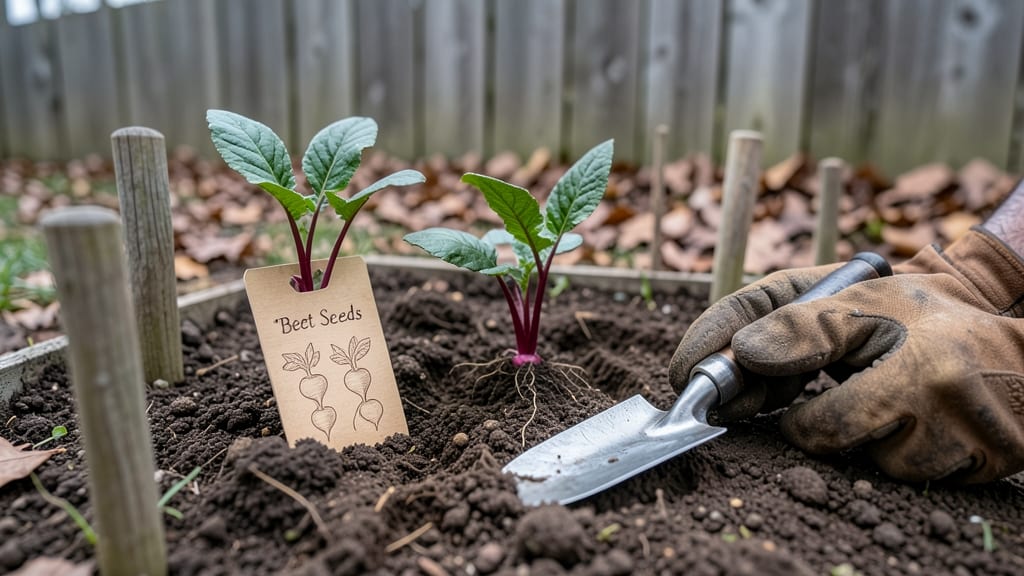
Timing your beet planting in Colorado isn’t just about the calendar—it’s about beating the 5-8 USDA zones that can shift your harvest from sweet success to bitter disappointment.
Whether you're in Denver’s 5b-6a or Colorado Springs’ 6b, getting those seeds in the ground at the right moment means the difference between tender roots and woody, tough greens.
Most gardeners swear by the March 15–April 30 window for spring plantings, but here’s the catch: altitude changes everything. At higher elevations, you’ll need to push those dates later, while lower valleys can start earlier.
And don’t even get me started on fall plantings—July 15–August 15 is your golden ticket to a late-October harvest, but only if you time it right.
I’ve grown beets in Colorado for years, and let me tell you: skipping soil prep or ignoring microclimates (like those sheltered pockets in the foothills) will leave you scrambling. The key?
Knowing when to plant for your exact elevation—and how to stretch your harvest with succession sowing. Ready to turn your garden into a beet bonanza? Let’s break it down.
From Denver’s 120 frost-free days to the High Country’s 90**, the rules shift fast. We’ll cover everything—soil temps, seed-starting tricks, and even which beet varieties thrive where. No more guessing. Just a foolproof plan to grow the sweetest, crispest beets Colorado has to offer.
Colorado beet planting calendar by elevation Zone (lowland to mountain)
Colorado’s elevation zones drastically impact when you can plant beets—from the Front Range to the High Country. Lower elevations like Denver (Zone 5b-6a) have earlier frost-free dates than mountain regions (Zone 4-5). Understanding these differences ensures you avoid bolting or stunted growth.
Beets thrive in cool soil (60-70°F) and moderate temperatures, making spring and fall the ideal seasons. In lowland areas, you can start as early as mid-March, while high-altitude gardens may wait until late April to avoid frost damage.
Below is a comparison table breaking down planting windows by elevation, including last frost dates, ideal planting months, and harvest timelines for both spring and fall crops.
| Elevation Zone | Avg. Last Frost | Spring Planting Window | Fall Planting Window | Harvest Time |
|---|---|---|---|---|
| Lowland (Denver, Colorado Springs) | April 1-15 | March 15 - April 30 | July 15 - August 15 | June - September (spring) / October - November (fall) |
| Foothills (Fort Collins, Boulder) | April 10-25 | April 1 - May 15 | July 1 - August 10 | June - September (spring) / September - October (fall) |
| High Country (Aspen, Vail) | May 1-15 | May 1 - June 1 | July 10 - August 5 | July - August (spring) / September - October (fall) |
For lowland areas, aim to plant beet seeds 4-6 weeks before your last frost date. This gives them time to establish roots before hot summer temperatures trigger bolting. In higher elevations, extend your planting window slightly later to avoid late spring frosts.
Succession planting is key for a continuous harvest. Sow new seeds every 2-3 weeks during your planting window to ensure fresh beets all season. For example, in Denver, you could plant on March 15, April 1, and April 15 for staggered harvests.
Fall planting follows the same logic but works backward from your first frost date. In Colorado Springs, where frost typically arrives by October 15, aim to plant by August 15 to harvest before cold sets in.
Use row covers to extend your fall season by 2-3 weeks if needed.
Soil temperature is critical—beets won’t germinate well in cold soil. Use a soil thermometer to confirm temperatures are above 50°F before planting. If your soil is too cold, opt for cold-hardy varieties like 'Detroit Dark Red' or 'Golden'.
Pro tip: Direct sow beet seeds instead of starting indoors—they hate transplanting and may develop woody stems. Scatter seeds ½ inch deep and thin seedlings to 2-3 inches apart once they’re 2 inches tall.
🌱
How Colorado’s microclimates affect beet growth (and how to adapt)
Colorado’s microclimates can shift your beet planting timeline by weeks—even just a few miles apart. Denver’s urban heat islands may stay frost-free 10 days longer than nearby foothills, while mountain valleys can experience sudden late frosts. Understanding these variations helps you avoid bolting (premature flowering) or stunted growth.
At lower elevations (3,000–5,000 ft), like the Front Range, soil warms faster, letting you plant 2–3 weeks earlier than high-altitude areas. But wind exposure near open fields can dry young seedlings—use row covers or plant near windbreaks like shrubs or fences.
In mid-elevation zones (5,000–7,500 ft), such as Colorado Springs or Fort Collins, soil temperatures lag behind lower areas. Wait until soil reaches 60°F (use a soil thermometer) before sowing. Nighttime temps below 50°F can stunt growth, so opt for cold-hardy varieties like Detroit Dark Red.
Microclimate Warning: Late Frost Risks
High-altitude gardens (7,500+ ft) face unpredictable late frosts even in May. Use frost cloth or plant heat-tolerant varieties like Chioggia for extended harvests. Monitor local weather alerts—some years, June frosts hit unexpectedly in the Rocky Mountain foothills.
Urban gardens (e.g., Denver, Boulder) may experience micro heat pockets that accelerate growth. Succession plant every 2 weeks to stagger harvests and avoid bolting from sudden heat spikes.
For mountain gardens (8,000+ ft), like those near Leadville or Aspen, focus on early-maturing varieties (e.g., Boltardy) and plant under cold frames to extend the season. Soil stays cold longer—wait until mid-May for direct sowing, or start seeds indoors in March for a head start.
Adjust your watering schedule based on microclimates too. Dry, sunny slopes (common in western Colorado) need deep watering every 5–7 days, while moist valleys (like Grand Junction) may only need weekly watering. Use a moisture meter to avoid over- or under-watering.
Pro tip: Observe your garden’s patterns for 2–3 years. Note when last frost occurs in spring and first frost hits in fall. Keep a planting journal to refine your beet schedule—your local data beats generic charts!