
Plants
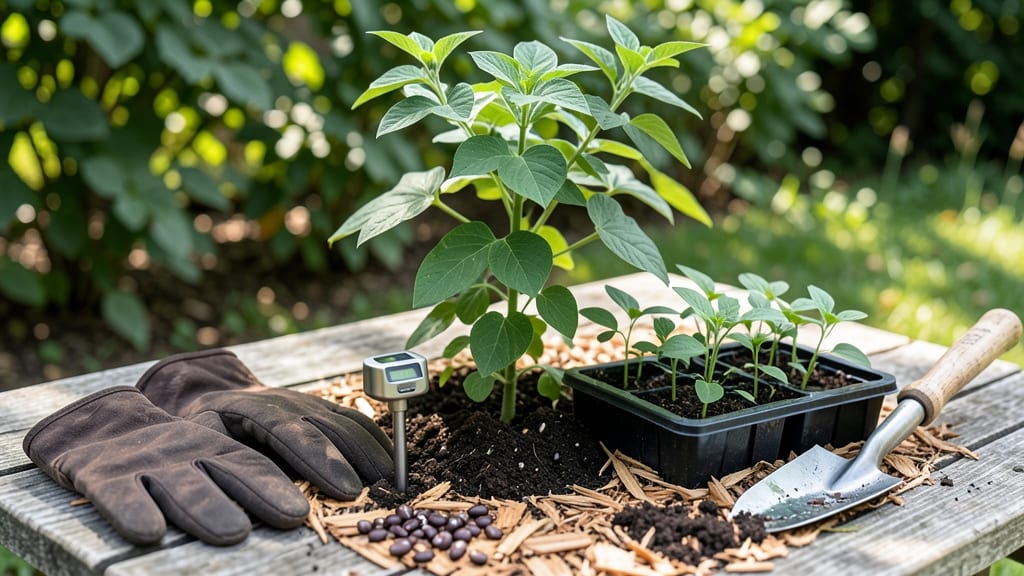
Planting beans in Florida at the wrong time can turn your garden into a bitter disappointment—literally. Those 60-degree nights in early spring or 90-degree afternoons in late summer send beans into a panic, causing them to bolt before you even get a harvest.
But here’s the good news: Florida’s unique climate means you’ve got two prime windows to grow them successfully.
Whether you’re in North Florida’s cooler hills or South Florida’s humid lowlands, timing matters more than you think. I’ve grown beans across both regions, and the difference between a thriving crop and a failed one often comes down to just a few weeks.
Let me walk you through the exact months to plant—plus how to adjust for your specific microclimate—to ensure your beans stay sweet and productive from summer through fall.
You’ll also discover how to read your soil and weather like a pro, so you can avoid the most common mistakes Florida gardeners make. No more guessing games—just a clear, actionable plan to get your beans in the ground at the perfect moment.
Ready to turn your garden into a bean bonanza?
The key isn’t just “when” but how you prep your soil and protect your plants from Florida’s heat spikes. I’ll share the secrets that keep my beans thriving even when the thermometer climbs. Let’s get started—your harvest is waiting!
Best planting windows for beans in Florida (by variety)
Florida’s three distinct microclimates—North, Central, and South—create unique planting windows for beans. Unlike cooler northern states, Florida’s frost-free growing season spans nearly year-round, but heat and humidity demand precise timing to avoid bolting (premature flowering). Let’s break down the best planting weeks for each region and bean type.
For North Florida (USDA Zones 8a-8b), where cooler winters prevail, your primary planting window opens in late February to early March. This timing aligns with soil temperatures reaching 60-65°F, ideal for germination.
Southern peas, like purple hulls, thrive in these warmer spring months and can even handle summer heat if planted by mid-April.
In Central Florida (Zones 9a-9b), you’ve got flexibility.
Start bush beans in January for an early spring harvest, then succession plant every 2-3 weeks until June. Pole beans, which handle heat better, can go in as late as mid-July for a fall harvest before winter chills set in.
Down in South Florida (Zones 10a-11), beans grow almost year-round. Your best bets are fall/winter plantings (September-October) and spring plantings (February-March). Avoid summer planting unless you’re growing heat-tolerant varieties like ‘Scarlet Runner’ pole beans, which can handle 90°F+ temperatures better than most.
🌱 Florida Bean Planting Guide by Region & Variety
| Region | Variety | Best Planting Window | Soil Temp | Harvest Time |
|---|---|---|---|---|
| North Florida | Bush Beans | Late Feb - Early Mar Succession: Every 2-3 wks until Jun |
60-65°F | 60-75 days |
| North Florida | Southern Peas | Mid-Apr - Jun | 70-75°F | 80-100 days |
| Central Florida | Pole Beans | Jan - Jun Mid-Jul for fall |
65-70°F | 75-90 days |
| South Florida | Heat-Tolerant Varieties | Sep-Oct (fall) Feb-Mar (spring) |
75-80°F | 60-80 days |
| All Regions | Scarlet Runner | Mar-Apr or Sep-Oct | 60-75°F | 90-120 days |
⚠️ Note: Avoid planting when daytime temps exceed 90°F unless using heat-tolerant varieties.
Temperature isn’t the only factor—humidity plays a huge role in Florida. High humidity speeds up germination but can also encourage fungal diseases like bean rust. To mitigate this, always plant in well-draining soil and avoid overhead watering.
In North Florida, where mornings can be chilly, use black plastic mulch to warm the soil faster and extend your planting window.
For pole beans, which need trellises, wait until soil is fully warmed (at least 65°F) to prevent root rot.
In Central and South Florida, this often means waiting until April for spring plantings. Southern peas, like cowpeas, are the most heat-tolerant and can handle summer’s intensity, making them ideal for June-July plantings in all regions.
Pro tip: Use a soil thermometer to check temperatures before planting. Beans won’t germinate well below 60°F, and waiting for ideal soil temps saves you from slow, uneven sprouting.
In South Florida, where summer heat is relentless, opt for shorter-season varieties like ‘Contender’ bush beans (58 days to harvest) to avoid bolting.
Remember, Florida’s fall planting (August-September) is often overlooked but yields sweeter, higher-quality beans
How to avoid bolting: Florida-specific tips for bean success
Florida’s heat can cause beans to bolt—flowering too quickly for a harvest—if planted at the wrong time or under stress. The key to preventing this is consistent soil moisture and temperature control.
Unlike cooler climates, Florida’s humidity and rapid warming demand extra care to keep your beans focused on pod production instead of seeds.
Start by choosing heat-tolerant varieties like ‘Contender’ or ‘Purple Hull’, which handle Florida’s summer heat better than traditional types. These varieties are bred to delay bolting, giving you more time for harvests.
Plant them in late winter or early spring (February–March) to avoid the peak summer heat when bolting risks spike.
Here’s the critical trick: Use shade cloth during the hottest months (May–September). A 30–50% shade cloth reduces soil and air temperatures by 5–10°F, slowing bolting without stunting growth. Install it when daytime highs exceed 90°F and remove it in cooler months to maximize sunlight for photosynthesis.
⚠️ Bolting Warning Signs in Florida
- ✅ Tall, leggy stems (plants stretch toward cooler air)
- ✅ Yellowing leaves (heat stress triggers flowering)
- ✅ White/purple flowers (bolting has already started)
- ✅ Bitter-tasting pods (sign of premature seed formation)
Act fast: Prune flowers immediately to redirect energy to pod growth.
Another Florida-specific tip is mulching with straw or grass clippings to keep soil temperatures stable. Beans hate fluctuating temperatures, so mulch retains moisture and insulates roots from afternoon heat spikes. Aim for a 2–3 inch layer around plants, but avoid piling mulch against stems to prevent rot.
Companion planting also works wonders in Florida’s climate. Pair beans with basil or marigolds to deter pests like Mexican bean beetles, which thrive in warm weather. Basil also improves bean flavor and may slightly delay bolting by competing for nutrients in a way that balances growth.
Avoid planting near onions or garlic, which can stunt bean development.
Finally, water deeply in the morning to encourage strong root growth, which helps beans withstand Florida’s heat. Shallow watering leads to weak roots and stress, speeding up bolting. Use drip irrigation or soaker hoses to deliver water directly to the soil, reducing evaporation and fungal risks from overhead watering.