Plants
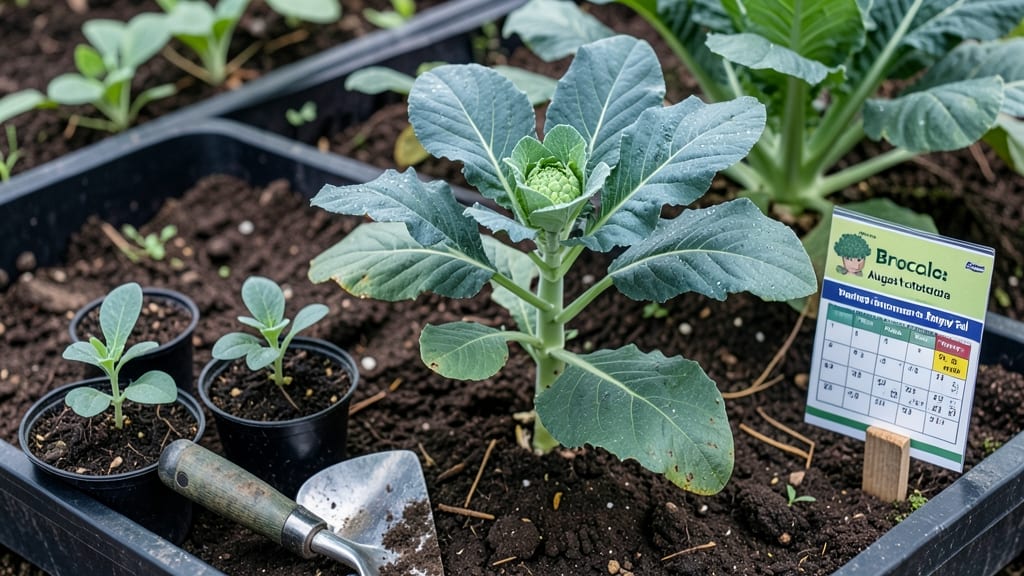
Timing your 🥦 broccoli planting in Central Florida isn’t just about the calendar—it’s about outsmarting the heat and humidity that can turn your garden into a bolting disaster.
If you’ve ever watched your broccoli heads stretch toward the sky instead of growing tight and delicious, you know how frustrating it can be. The key? Planting during those exact weeks when temperatures cooperate, not against you.
Most gardeners in USDA Zones 9a-10a swear by fall planting, but did you know winter crops can also thrive with the right strategy?
I’ll break down the ideal planting windows—September through October for fall harvests and January through February for winter—so you can avoid the summer heat that sends broccoli into early flowering mode. No more guessing games, just proven timing for Central Florida’s unique climate.
But here’s the catch: even with perfect timing, Florida’s pests and unpredictable weather can still throw a wrench in your plans. Cabbage worms love broccoli, and a sudden heatwave can derail your crop faster than you can say “overwatered.”
That’s why I’ll also share how to prep your soil, choose the right varieties, and use simple tricks to keep your broccoli thriving—no green thumb required.
Ready to grow broccoli that actually stays broccoli? Let’s dive into the step-by-step schedule that’ll have you harvesting crisp, flavorful heads from November through April—without the bolting headaches. Your garden (and taste buds) will thank you.
Best planting weeks for broccoli in Central Florida (avoiding bolting)
Central Florida’s USDA Zones 9a-10a mean broccoli thrives in cooler months when temperatures stay between 55°F and 75°F. Planting outside this range risks bolting—when broccoli flowers prematurely and becomes bitter.
My exact weeks for success? Late August through October for fall crops and January through February for winter harvests.
Broccoli in Central Florida faces unique challenges like humidity-induced fungal diseases and heat stress. The key is planting when daytime temps stay below 80°F and nights dip to 60°F or lower. This timing ensures your plants focus on head formation instead of flowering too soon.
🌱Pro Tip: Use a thermometer to track soil temps—ideal planting soil should be 60-70°F. In Central Florida, this usually aligns with late August to mid-October for fall planting.
| Planting Window | Ideal Planting Weeks | Days to Harvest | Key Considerations |
|---|---|---|---|
| Fall Crop | Late August - Mid-October | 60-80 days | Avoid summer heat; plant 4-6 weeks before first frost |
| Winter Crop | Early January - Mid-February | 50-70 days | Protect from rare freezes; harvest before spring heat |
| Spring Attempt (Risky) | Late February - Early March | 50-60 days | Use shade cloth; high bolting risk after March |
Central Florida’s microclimates matter—Orlando’s humidity differs from Tampa’s coastal breezes, and Gainesville’s higher elevation cools faster. For Orlando gardens, aim for September 15-October 15 to avoid early heat spikes. In Tampa, extend planting to early November thanks to moderating ocean winds.
🌿Local Variety Tip: Choose heat-tolerant varieties like 'Waltham 29' or 'De Cicco' for Central Florida. These handle short heat waves better than standard varieties, giving you a 10-15% higher yield in marginal weeks.
For succession planting, sow seeds every 2-3 weeks during your chosen window. This staggered approach ensures a continuous harvest from November through April. In Central Florida’s climate, this means 4-5 plantings per season if timed correctly.
🔍Watch for Bolting: If your broccoli starts sending up flower stalks before forming heads, it’s bolting. This happens when temps exceed 85°F for 3+ days or when plants experience temperature swings. In Central Florida, this is most common in late spring if planted too early.
💧Watering Strategy: Broccoli needs 1-1.5 inches of water weekly, but in Central Florida’s heat, increase to 2 inches during September-October. Use drip irrigation to keep leaves dry and prevent downy mildew, a common fungal issue in our humidity.
🌱Soil Prep Secret: Amend your soil with 2-3 inches of compost before planting. Central Florida’s sandy soils drain too quickly—mix in peanut hull compost (a local favorite) to retain moisture and nutrients. Aim for a pH of 6.0-7.0 for optimal growth.
Best planting weeks for broccoli in Central Florida (avoiding bolting)
Central Florida’s USDA Zones 9a-10a mean broccoli thrives in cooler months, but timing is everything. The ideal planting window is September-October for fall crops and January-February for winter harvests. These months keep soil temps between 55°F-75°F, preventing bolting—the enemy of broccoli growers.
Bolting occurs when broccoli senses heat stress or daylight length changes. In Central Florida, this means avoiding summer planting (March-May) where temps often exceed 85°F. Even microclimates like Orlando vs. Gainesville shift timing by 1-2 weeks—cooler Gainesville can plant slightly later.
| Planting Window | Ideal Months | Harvest Time | Key Notes |
|---|---|---|---|
| Fall Crop | September-October | November-December | Plant 4-6 weeks before frost; use shade cloth if temps exceed 80°F. |
| Winter Crop | January-February | March-April | Avoid late February plantings if temps rise above 75°F. |
| Heat-Tolerant Varieties | Waltham 29, Calabrese | April-June (with shade) | Use 30% shade cloth; harvest quickly to avoid bolting. |
For Orlando gardens, aim for September 15-October 15 to avoid early frost risks. In Tampa’s warmer microclimate, push planting to October 1-November 1—just before humidity spikes. Always check 7-day forecasts for sudden heat waves that trigger bolting.
Pro tip: Start seeds indoors 4-6 weeks before outdoor planting. Central Florida’s short fall growing season (only ~100 days) demands fast-starting varieties like 'De Cicco' (58 days to harvest). Use black plastic mulch to warm soil in winter plantings.
Remember: Day length matters more than temperature. Broccoli bolts when days exceed 14 hours of light—common by late March. If you miss fall windows, wait until September again rather than risk spring failures.
🌱