
Trees
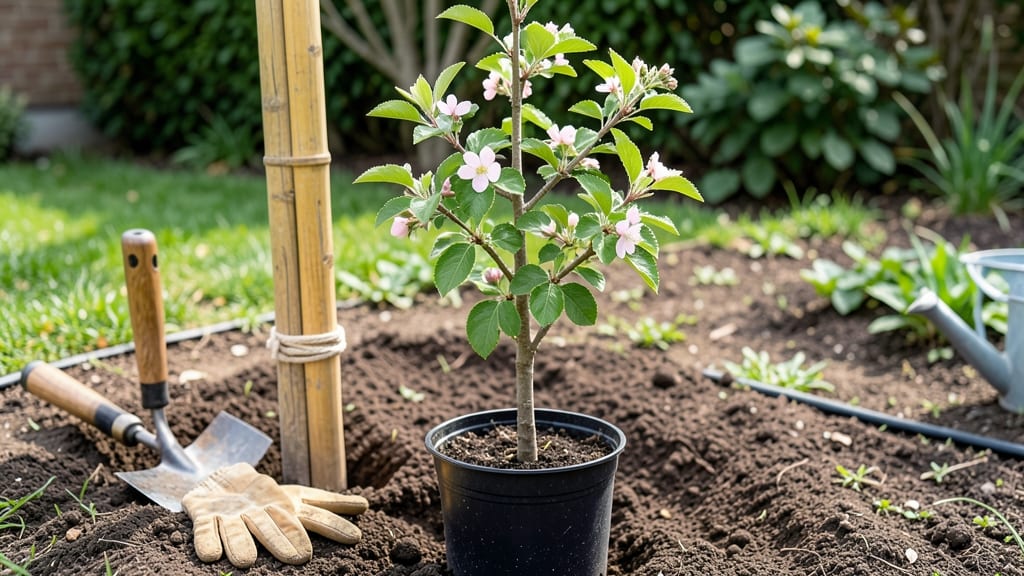
Timing your Apple Tree planting in Alabama wrong could mean struggling with weak roots or stunted growth—so getting the months right is the key to success.
With USDA zones 7a-8b and unpredictable frost dates, knowing whether to plant in late winter or early spring makes all the difference for your 🍎 orchard.
Most gardeners in Alabama swear by February through March as the sweet spot, when the soil is workable but the last frost hasn’t arrived. But what if you miss that window?
I’ll show you how to adapt for container-grown trees or adjust for your specific microclimate—whether you’re in Birmingham’s cooler valleys or Mobile’s warmer coastal areas.
Beyond just the calendar, we’ll cover soil prep, spacing, and post-planting care tailored to Alabama’s heat and humidity. You’ll learn why bare-root trees thrive in dormancy and how to protect young roots from summer stress—so you can set your orchard up for years of fruitful harvests.
Ready to plant with confidence? Let’s dive into the exact steps to give your Apple Tree the best start, no matter where you are in the state. Your future orchard’s success begins with the right timing—and I’ve got the details.
Best planting months for apple trees in Alabama’s microclimates
Alabama’s diverse climate—from the cooler Appalachian foothills to the humid Gulf Coast—means planting apple trees at the wrong time can spell disaster. The key is planting when the tree enters dormancy but before buds swell, typically February through early April. This window ensures roots establish before summer heat arrives.
Northern Alabama’s USDA Zone 7a (e.g., Huntsville) has earlier frost risks, while Southern Alabama’s Zone 8b (e.g., Mobile) allows slightly later plantings. Bare-root trees thrive best in late winter, while container-grown trees offer more flexibility but still prefer cool-season planting.
🌱
For container-grown apple trees, you can plant year-round in Alabama, but spring (March–April) is ideal. These trees adapt better to heat but still need 6–8 hours of sunlight daily. If planting in summer, mulch heavily and water deeply to prevent shock.
🪴
Choose dwarf or semi-dwarf varieties like ‘Anna’ or ‘Dorsett Golden’ for smaller spaces, as they mature faster in Alabama’s heat. Standard varieties (e.g., ‘Fuji’) need more room but produce larger fruit. Spacing is critical: 15–20 feet apart for standard trees, 10–12 feet for dwarfs.
After planting, water deeply (15–20 gallons) and avoid fertilizing for 6–8 weeks. This lets roots establish without competing with foliage growth. Mulch with wood chips to retain moisture and regulate soil temperature.
💧
Alabama’s humidity and heat can stress young apple trees, so prune lightly in late winter to remove dead wood. Avoid heavy pruning in summer, as it stresses the tree. Instead, focus on shade cloth for new plantings during extreme heat waves.
🌡️
Pro tip: Use a soil thermometer to ensure roots aren’t exposed to soil temps above 85°F for extended periods. If planting in late spring, shade the root ball with burlap until roots acclimate.
How Alabama’s frost dates affect apple tree planting success
Alabama’s frost dates are the most critical factor in determining when to plant apple trees. The last average frost date in most of the state falls around mid-March, but this can vary by county and even microclimate.
Planting too early risks frost damage to tender roots, while waiting too late may delay root establishment before summer heat arrives.
For northern Alabama (e.g., Huntsville, Decatur), the last frost often occurs in late March or early April. In central Alabama (Birmingham, Montgomery), expect the last frost around mid-March.
Meanwhile, southern Alabama (Mobile, Dothan) typically sees its last frost by early to mid-March. These variations mean your planting window can shift by weeks depending on where you live.
Apple trees thrive when planted while dormant, which means choosing a time when they’re not actively growing. This usually falls in late winter to early spring, just before buds begin to swell.
Planting too late—after buds break—can stress the tree and reduce its ability to establish roots before summer’s heat sets in.
Here’s how to use frost dates to your advantage: Aim to plant 4-6 weeks before your area’s last frost. For most of Alabama, this means February to early March.
If you’re in a late-frost zone (like the Tennessee Valley), wait until mid-March to ensure safety. Bare-root trees are especially vulnerable, so timing is even more critical for them.
| Region | Last Frost Date | Ideal Planting Window | Risk of Late Planting |
|---|---|---|---|
| Northern Alabama | Late March | Early to mid-March | Root stress from summer heat |
| Central Alabama | Mid-March | February to early March | Frost damage to new roots |
| Southern Alabama | Early March | Late February | Delayed root growth |
If you’re unsure about your local frost dates, check the USDA Plant Hardiness Zone Map or consult your local Cooperative Extension Service. They provide hyperlocal frost data that can help you fine-tune your planting schedule.
For example, Birmingham’s last frost might be March 15, while Mobile’s could be March 1—a difference that matters for your apple tree’s success.
Pro tip: If you’re in a high-risk frost zone, consider using row covers or mulch to protect young trees during unexpected late frosts. This extra layer of defense can buy you a few extra weeks of planting flexibility without sacrificing your tree’s health.
Remember, the goal is to give your apple tree enough time to establish roots before summer. With Alabama’s long, hot summers, this means planting early enough to avoid stress but not so early that a late frost catches your tree off guard. Balance is key!