
Trees
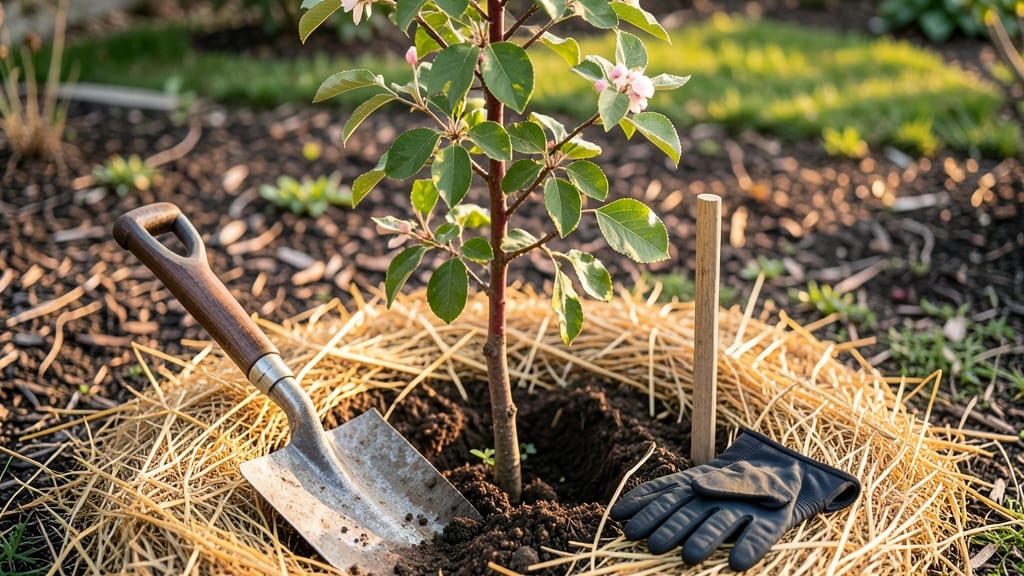
Planting an apple tree 🍎 in Indiana isn't just about grabbing a sapling and sticking it in the ground—timing is everything if you want strong roots and fruit-bearing success.
The Hoosier state's 5b-6b climate means you've got just a narrow window to get it right, whether you're working with bare-root or container-grown trees.
Most gardeners make the mistake of planting too early or too late, risking frost damage or stunted growth before winter sets in. I've seen firsthand how a well-timed planting in late winter or early fall can mean the difference between a thriving orchard and one that struggles to take hold.
In this guide, I'll break down exactly when to plant your apple tree for maximum root establishment before winter dormancy. We'll cover the best months for Indiana's varying microclimates, soil prep tips, and how to avoid common pitfalls that even experienced gardeners fall into.
Whether you're a first-time orchardist or looking to expand your fruit-bearing landscape, getting the timing right is the key to long-term success. Let's get your apple tree off to the best possible start.
Best planting months for apple trees in Indiana’s climate zones
Indiana’s USDA zones 5b-6b create a unique challenge for apple tree planting—too early, and frost can damage tender roots; too late, and trees struggle to establish before winter. The ideal window is a narrow but critical period that maximizes root growth before dormancy.
For bare-root saplings, late winter to early spring (February through April) is perfect. This gives roots 6-8 weeks to establish before Indiana’s average last frost date (April 15). Container-grown trees offer more flexibility, allowing fall planting (October-November) when soil temps drop below 60°F.
Northern Indiana’s colder microclimates (e.g., LaPorte, Gary) favor late March-April planting, while southern regions (Evansville, Bloomington) can extend the window to early May. Always check your local frost-free date—planting too soon risks root rot from cold, wet soil.
Fall planting (October-November) works best for container-grown trees. The 6-week window before ground freezes lets roots acclimate. Avoid planting in September—soil warmth can trigger early growth that freezes before winter dormancy.
| Season | Best Months | Soil Temp | Root Establishment Goal |
|---|---|---|---|
| Spring | February-April | 40-60°F | 6-8 weeks before last frost |
| Fall | October-November | Below 60°F | 6 weeks before ground freeze |
| Northern IN | Late March-April | 45-55°F | Avoid early thaw risks |
| Southern IN | Early April-May | 50-65°F | Extended growing window |
Timing matters more than calendar dates. For bare-root trees, plant when soil is workable but before buds swell (typically mid-February to March). Container-grown trees can handle fall planting until November 1st in most of Indiana.
Indiana’s microclimates play a huge role—urban areas like Indianapolis may experience 2-3°F warmer soil temps than rural Vincennes. Use a soil thermometer to confirm 40-60°F ranges before planting. This prevents root shock from temperature extremes.
Pro tip: Mulch immediately after planting with 3-4 inches of wood chips. This insulates roots in fall/winter while preventing soil compaction in spring. In northern Indiana, add an extra 2 inches of mulch for winter protection.
Watch for late frosts—even in May. Plant cold-hardy varieties like Haralson or Jonathan to minimize bloom damage. These varieties tolerate 20°F without bud kill, giving your tree a fighting chance against Indiana’s unpredictable spring weather.
If you miss the ideal window, don’t panic. Container-grown trees can be planted in early December (with extra mulch), though growth will resume slowly in spring. For bare-root trees, wait until March—planting in January risks dormant root damage from freeze-thaw cycles.
Remember: Root growth > top growth. A well-timed planting gives your apple tree the 6-8 weeks it needs to establish roots before Indiana’s first frost (October 15). This sets the stage for stronger fruit production in years to come. 🍎
Best planting months for apple trees in Indiana’s climate zones
Indiana’s USDA zones 5b-6b create a narrow window for planting apple trees. The ideal months are October and November for fall planting, but spring (February-April) also works if you plant bare-root saplings before buds swell.
Southern Indiana’s slightly warmer microclimates may extend fall planting into early December, while northern regions should finish by mid-November.
Fall planting gives roots time to establish before winter dormancy, while spring planting avoids late frost risks that can damage new growth. The critical soil temperature threshold is 40°F (4°C)—roots won’t establish properly in colder conditions. Use a soil thermometer to check before planting in early spring.
For container-grown trees, you have more flexibility—plant anytime during the growing season, but avoid extreme heat or frost. The last average frost date in Indiana is around April 15, so spring planting should wrap up by mid-April to avoid stressing young trees.
| Planting Window | Best For | Soil Temp | Root Establishment |
|---|---|---|---|
| Late October - November | Bare-root saplings | 40°F+ (4°C+) | 6-8 weeks before frost |
| February - Early April | Bare-root or container trees | 45°F+ (7°C+) | Full root growth before summer |
| Early September (container only) | Established trees | 50°F+ (10°C+) | Limited root growth |
Northern Indiana’s cooler microclimates (e.g., Fort Wayne) favor early fall planting by October 15, while southern areas (e.g., Evansville) can plant until November 15. Always check your local frost-free date—delaying planting past these windows risks winter dieback or poor root development.
Spring planting requires patience—wait until soil temperatures stabilize above 45°F (7°C) to avoid compacting cold soil. For container-grown trees, you can plant as late as May 1, but bare-root trees need 6-8 weeks to establish roots before summer heat arrives.
Pro tip: Mulch heavily after planting (4-6 inches of organic mulch) to insulate roots during Indiana’s unpredictable freeze-thaw cycles. This protects young trees from soil temperature swings that can damage delicate root systems.