
Companion Plants
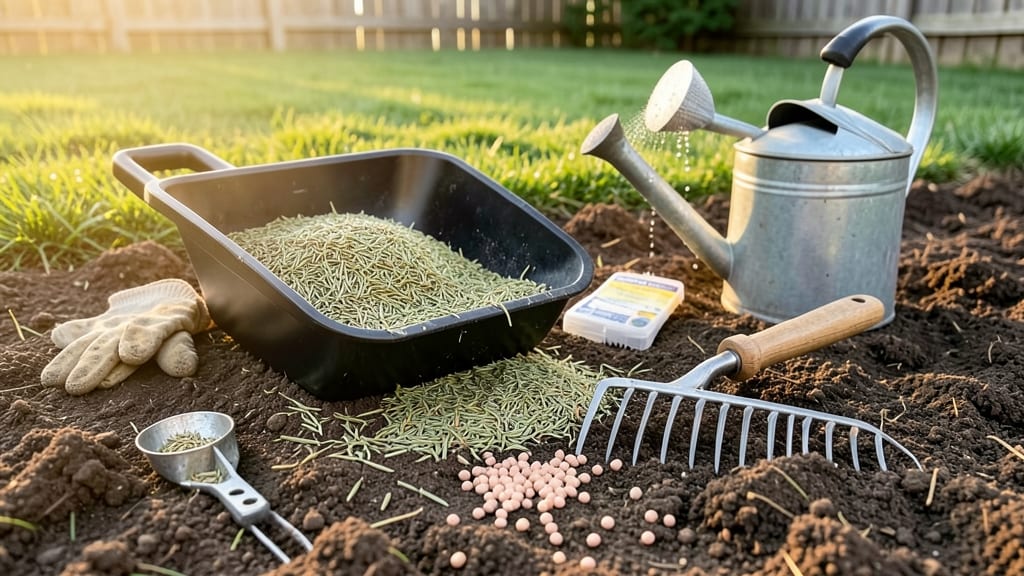
Planting grass seed at the wrong time in spring can leave you staring at bare patches for months—soil temperature is the game-changer most gardeners miss. Whether you're in USDA Zone 6a or beyond, getting the timing right means the difference between a lush lawn and wasted effort.
The ideal window opens 4-6 weeks before your last frost date, but that’s just the start—soil needs to hit at least 50°F for seeds to sprout properly.
I’ve seen firsthand how a few degrees too cold can stall germination, leaving seeds sitting dormant while weeds take over. That’s why knowing your local conditions is the key—early springs in cooler regions may need to wait until late April, while warmer areas can start as early as March.
Let’s break down exactly when to plant for your specific climate and how to prepare your soil for success.
You might think "early spring" means as soon as the snow melts, but rushing it often backfires. Frost risk, uneven thawing, and compacted soil can all sabotage your efforts.
What you really need is a clear strategy: testing soil temps, adjusting for microclimates, and avoiding those common pitfalls that turn hopeful gardeners into frustrated lawn owners. Ready to learn the exact steps?
By the end of this guide, you’ll know not just when to plant, but how to set your grass up for thick, healthy growth from day one. No more guessing games—just science-backed timing and preparation tailored to your yard. Let’s get that lawn growing right.
Best spring planting dates based on soil temperature zones
Planting grass seed in spring isn’t just about avoiding frost—it’s about hitting the perfect soil temperature for germination. Most grass seeds need soil between 50°F and 65°F to sprout consistently. Too cold, and seeds rot; too hot, and they dry out before germinating.
Your USDA hardiness zone and local microclimate (like shade from trees or urban heat islands) will shift your ideal planting window by weeks.
For example, gardeners in Zone 3 (northern climates) should wait until late April or early May, while those in Zone 9 (southern climates) can plant as early as February.
Even within the same zone, elevation and proximity to water bodies (like lakes or rivers) can push your planting date 2-3 weeks earlier or later. Always check your local last frost date and count backward 4-6 weeks—but don’t rely solely on frost charts.
Here’s why: Soil warms slower than air. A 50°F air temperature might mean your soil is still hovering at 40°F, stalling germination. Use a soil thermometer (just $10 at garden centers) to confirm the top 1-2 inches of soil are in the 50°F–65°F range before planting.
This small step can double your success rate compared to guessing.
Another critical factor is grass seed variety. Cool-season grasses (like Kentucky bluegrass and fescue) thrive when planted in early spring (March–April), while warm-season grasses (like Bermuda and Zoysia) need to wait until late spring (May–June) when soil temperatures exceed 65°F.
Mixing varieties without checking their ideal conditions is a fast track to patchy lawns.
Pro tip: If your spring is unpredictable (like in Zone 4–7), opt for perennial ryegrass mixes—it germinates faster (in 7–14 days) and tolerates cooler soil better than other grasses. This gives you a buffer if a late frost hits or soil warms slower than expected.
| USDA Zone | Ideal Planting Window | Soil Temp Range | Grass Type | Germination Time |
|---|---|---|---|---|
| Zones 3–4 | Late April–Early May | 50°F–60°F | Cool-season (Fescue, Bluegrass) | 14–21 days |
| Zones 5–6 | March–April | 55°F–65°F | Cool-season (Ryegrass, Clover) | 7–14 days |
| Zones 7–8 | February–March | 60°F–70°F | Warm-season (Bermuda, Zoysia) | 10–20 days |
| Zones 9–10 | January–February | 65°F–75°F | Warm-season (St. Augustine) | 5–10 days |
🌱 Planting Tip: Adjust dates 1–2 weeks later if your soil stays cooler than average (e.g., shady areas or high elevation).
Microclimates can throw off even the best-laid plans. For instance, a south-facing slope warms up 1–2 weeks faster than a north-facing yard, while a low-lying area might stay cold longer due to cold air settling.
Test your soil temperature for 3–5 consecutive days to account for daily fluctuations. If your mornings dip below 50°F, wait a few more days—grass seeds need consistent warmth to germinate.
Don’t overlook rainfall patterns either. If your region typically gets heavy rains in early spring, schedule planting for a dry spell. Seeds need moisture to germinate, but too much water can wash them away or cause soil compaction, which smothers sprouts. Aim for steady,
How to test soil temperature and prepare for planting
Before you rush to plant grass seed in spring, checking your soil temperature is the single most important step. Grass seeds need consistent soil temps between 50°F and 65°F to germinate properly—any colder, and they’ll rot; any hotter, and they’ll dry out before sprouting.
A simple soil thermometer (just $10 at garden centers) solves this guessing game in minutes.
Start testing your soil 2-3 weeks before your target planting date. Stick the thermometer 2 inches deep in the ground (the depth where seeds will sit) and check readings in the late afternoon when temps are highest.
If your soil hovers around 55°F for 5-7 days, it’s time to plant. Pro tip: Northern climates may need to wait until late April or early May, while Southern regions can start as early as February.