
Trees
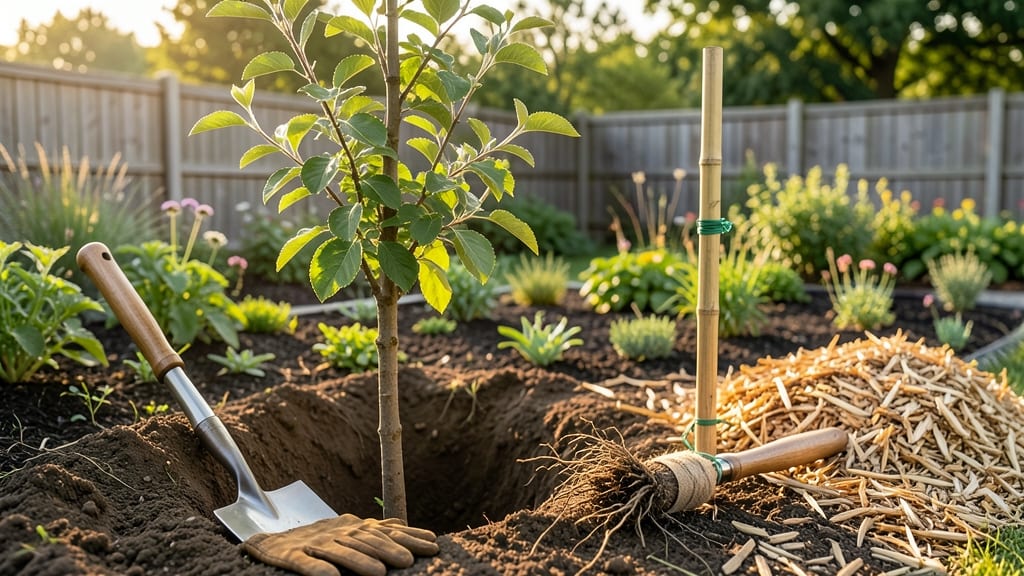
Planting an apple tree 🍎 in England isn’t just about grabbing a sapling—it’s about timing it perfectly to give your orchard the best shot at success. The wrong season could mean struggling roots, weak growth, or even frost damage before your tree ever bears fruit.
Most gardeners know autumn is ideal, but did you know bare-root trees thrive when planted between November and March, while container-grown varieties can go in as late as May?
The key is avoiding frost-sensitive periods, especially in regions like London (Zone 8a) where late frosts can linger into April.
In this guide, I’ll break down the best months by region, soil prep secrets, and how to choose varieties that handle England’s unpredictable climate.
Whether you’re a first-time planter or a seasoned grower, these tips will help you avoid common mistakes and set your apple tree 🍎 up for years of bountiful harvests.
Ready to get started? Let’s dive into the exact timing and techniques that make all the difference—no guesswork, just thriving orchards.
Best months to plant apple trees in England by region (climate guide)
England’s diverse climate means planting times vary dramatically—from mild coastal regions like Cornwall to colder inland areas near the Scottish border. The key is planting when your tree is dormant but the soil remains workable, typically between November and March for bare-root trees or April-May for container-grown varieties.
This timing ensures roots establish before spring growth begins.
For Southern England (USDA zones 8a-9a), the optimal window is late autumn through early spring—November to March—when frost risk is lower than in colder regions.
In Central England, aim for October to February, while Northern England gardeners should plant between September and January to avoid early frosts. Container-grown trees offer flexibility, allowing spring planting (April-May) even in cooler zones.
Regional frost patterns are critical: Cornwall and Devon can plant as late as March without frost damage, while Yorkshire or the Lake District may face ground frosts by January, requiring earlier planting.
Always check your local last frost date—typically late April to early May—to time planting for 6-8 weeks beforehand.
| Region | Optimal Planting Window | Key Considerations | Soil Prep Timing |
|---|---|---|---|
| Southern England (e.g., London, Cornwall) | November - March (bare-root) or April-May (container) | Mild winters; low frost risk until late March | Prepare soil in October-November for winter planting |
| Central England (e.g., Birmingham, Oxford) | October - February (bare-root) or April-May (container) | Moderate frost risk; avoid January planting | Prepare soil in September-October for autumn planting |
| Northern England (e.g., Manchester, Yorkshire) | September - January (bare-root) or April (container) | Early frosts; plant before December | Prepare soil in August-September for early planting |
| All Regions (Container-Grown) | April - May (flexible year-round) | No dormancy requirement; watering critical in summer | Prepare soil in March-April for spring planting |
Bare-root trees are most vulnerable to frost damage, so never plant them when soil temperatures drop below 5°C (41°F). Use a soil thermometer to check—ideal planting soil should be 7-10°C (45-50°F).
In cooler regions, opt for early autumn planting (September-October) to give roots time to establish before winter. For container-grown trees, spring planting in April-May works nationwide, but mulch heavily to protect roots in winter.
Regional microclimates also play a role: Urban areas like London may experience urban heat islands, delaying frost by 2-3 weeks compared to rural zones. Coastal areas benefit from milder winters, while inland valleys can see earlier frosts.
Always monitor your local Met Office frost forecasts and adjust planting dates accordingly.
One common mistake is assuming spring planting (after last frost) works for bare-root trees—it doesn’t. Roots need 6-8 weeks to establish before active growth begins in spring. Planting too late risks shallow root systems and poor fruit production later. Container-grown trees are the exception, as their roots are already established.
For dwarf varieties (ideal for small gardens), timing is slightly more flexible, but still follow regional guidelines. These trees mature faster, so even a 2-week delay in planting can reduce first-year growth by 15-20%.
Always choose disease-resistant rootstocks like M9 or MM106 for England’s humid climate, which minimizes fungal risks regardless of planting time.
Pro tip: Mark your planting dates on a garden calendar and note any unusual weather patterns. For example, the 2018 Beast from the East caused widespread frost damage to newly planted trees in February—a month usually considered safe.
Staying adaptable ensures your orchard thrives despite England’s unpredictable weather.
Finally, consider pollination needs when timing planting. If you’re growing self-unfruitful varieties like Cox’s Orange Pippin, plant a pollinator variety (e.g., Discovery) in the same window. This ensures both trees establish roots simultaneously, maximizing fruit set in their second or third year.
With the right timing, your apple trees will reward you with decades of harvests—starting as early as their third year. Just remember: November to March for bare-root, April-May for containers, and always adapt to your local frost patterns. Happy planting! 🌳
How to Prepare soil and choose varieties for successful apple tree planting
Preparing your soil is the foundation of a thriving apple orchard in England. Apple trees 🍎 thrive in well-draining, slightly acidic soil (pH 6.0-7.0), but England’s heavy clay soils often need amending.
Start by testing your soil’s drainage and pH—use a simple DIY test kit or send a sample to the Met Office’s soil testing service. If drainage is poor, mix in organic matter like composted leaves or well-rotted manure to improve structure.
Avoid fresh manure, which can burn roots and attract pests.
For optimal root development, dig a planting hole twice as wide as the root ball but no deeper. Loosen the soil at the bottom to encourage roots to grow outward. If your soil is too acidic (pH < 6.0), add lime (calcium carbonate) in autumn to raise the pH gradually.
Overworking the soil isn’t necessary—focus on creating a loose, crumbly texture around the planting area. In waterlogged regions like parts of Yorkshire, consider raised beds or mounds to prevent root rot.
✅ DO:
- Test soil pH before planting
- Add compost to improve drainage
- Loosen soil at the bottom of the hole
- Plant on a slight mound in heavy clay
- Mulch with wood chips to retain moisture
❌ DON'T:
- Use fresh manure near roots
- Compact soil around the root ball
- Plant in low spots where water pools
- Skip soil testing in heavy clay areas
- Over-fertilize at planting time
Choosing the right apple tree variety is just as critical as soil prep. England’s cool, damp climate favors disease-resistant varieties like Cox’s Orange Pippin (a classic with bright flavor but needs a pollinator) or Discovery (self-fertile and crack-resistant).
For small gardens, dwarf varieties on M9 rootstock (e.g., ‘Red Falstaff’) stay under 8-12 ft tall. In colder regions like the Scottish Borders, opt for Braeburn or Greensleeves, which handle shorter growing seasons better.
Always check a variety’s chilling requirements—most English apples need 500-1,000 hours below 7°C (45°F) to fruit well. Low-chill varieties like ‘Katja’ are rare but useful in mild microclimates like Cornwall.
Pair varieties with compatible pollinators (e.g., ‘Cox’s Orange Pippin’ + ‘Discovery’) for reliable fruit set. Avoid tropical varieties like Granny Smith, which struggle in England’s climate.
When selecting a rootstock, match it to your tree’s size goals and soil type. M9 is ideal for dwarf trees in well-drained soil, while MM106 (a semi-dwarf) handles heavier clay better.
Always buy certified disease-free stock from reputable nurseries like Barcham Trees or Hillier Nurseries to avoid introducing fire blight or apple scab. Label your trees immediately after planting to track varieties and pollination pairs.
After planting, mulch heavily with wood chips or straw to protect roots from temperature swings and retain moisture. In windy coastal areas, use a windbreak (like a hedge or fence) to shield young trees.
Water deeply once a week for the first year, focusing on the root zone. Avoid overhead watering to prevent fungal diseases like powdery mildew, which thrives in England’s humid summers.
Finally, plan for long-term care by spacing trees 12-20 ft apart (closer for dwarf varieties). Prune in winter to open the canopy for better airflow and sunlight penetrationthrive for decades, rewarding you with homegrown fruit 🍏 every autumn.