
Planting
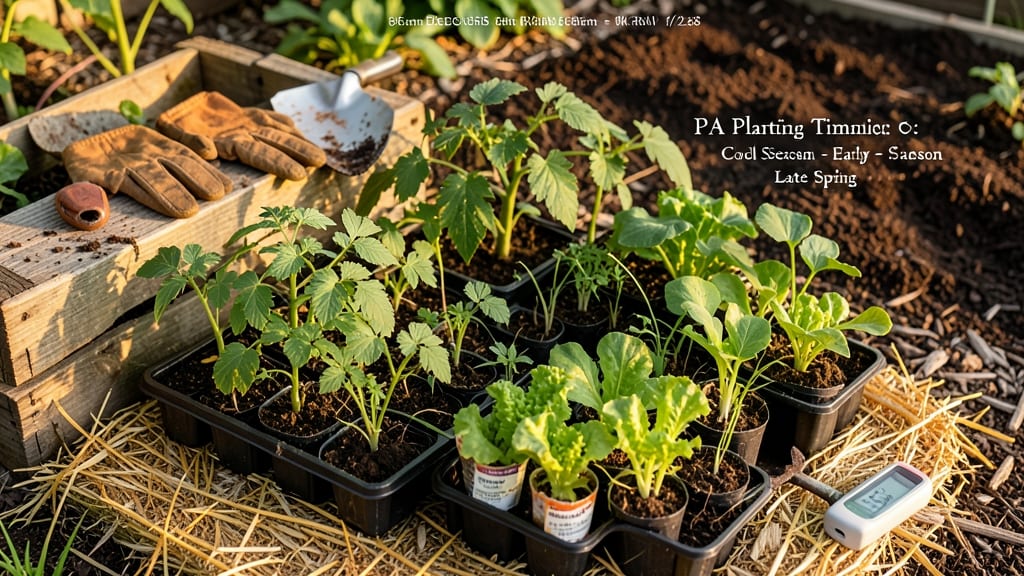
When to plant a vegetable garden in Pennsylvania can make or break your harvest—get the dates wrong, and you might end up with bolting lettuce or frost-bitten tomatoes before they ripen. With Zones 5b through 7a across the state, knowing when to plant isn’t one-size-fits-all, but the right schedule ensures your 🌱 thrives from spring to fall.
Whether you're in the cooler Appalachian foothills or the warmer Susquehanna Valley, the key is matching your planting window to your zone’s last frost date. I’ll break down the exact months for everything from peas to peppers, so you can avoid common mistakes and maximize your garden’s potential.
Spring planting starts as early as March in Zone 7a, but in Zone 5b, you’ll need to wait until May for warm-season crops. Fall plantings can extend your harvest well into October—if you time them right. Let’s dive into the precise schedule that works for your corner of Pennsylvania.
You’ll discover how to adjust for urban heat islands, rural microclimates, and even last-minute frost surprises. By the end, you’ll have a foolproof plan to grow a bountiful garden all season long—no guesswork required.
Spring planting schedule for Pennsylvania vegetables by hardiness Zone
Pennsylvania’s spring planting window opens between mid-April and early May, but the exact timing depends on your USDA hardiness zone and last-frost dates.
In Zone 5b (e.g., Erie, Scranton), you’ll wait until May 1-15 for warm-season crops, while Zone 7a (e.g., Harrisburg, Pittsburgh) can start as early as April 15. Cool-season crops like lettuce and peas can go in weeks earlier, even with light frost.
Soil temperature is your best guide: aim for at least 50°F (10°C) for cool crops and 60°F (15°C) for warm-season favorites like tomatoes and peppers. Use a soil thermometer or the "fist test"—if the soil feels cool to the touch, wait a few days.
Transplanting too early risks stunted growth or frost damage.
Here’s how to align your planting with PA’s zones and frost-free windows:
| Zone & Location | Last Frost Date | Cool-Season Crops (Peas, Lettuce, Spinach) | Warm-Season Crops (Tomatoes, Peppers, Beans) | Soil Temp Trigger |
|---|---|---|---|---|
| 5b (Erie, Scranton) | May 1-15 | March 20-April 15 | May 15-June 1 | 50°F (10°C) |
| 6a (State College, Reading) | April 20-May 5 | March 1-April 1 | May 1-May 15 | 50°F (10°C) |
| 6b (Lancaster, Allentown) | April 15-April 30 | February 28-March 15 | April 25-May 10 | 55°F (13°C) |
| 7a (Pittsburgh, Harrisburg) | April 1-April 15 | February 15-March 1 | April 10-April 25 | 60°F (15°C) |
For cool-season crops, start seeds indoors 4-6 weeks before your last frost date. Lettuce and spinach can handle light frost, but avoid planting when nighttime temps drop below 25°F (-4°C). Use row covers or cold frames to extend your season if needed.
Warm-season crops like tomatoes and peppers need consistent warmth—plant them only after the soil reaches 60°F (15°C). In cooler zones (5b-6a), opt for early-maturing varieties (e.g., ‘Stupice’ tomatoes, ‘Early Girl’ peppers) to avoid bolting. Harden off seedlings for 7-10 days before transplanting to prevent shock.
Pro tip: Use biodegradable pots for seedlings to minimize root disturbance. In Zone 7a, you can even try a second planting of quick-maturing crops like bush beans in early July for a late-summer harvest. Just be ready to cover them if an unexpected frost sneaks in!
Watch for soil moisture—PA springs can swing from drought to downpours. Mulch with straw or shredded leaves to retain moisture and regulate soil temperature. This is especially critical for root crops like carrots and beets, which need consistent moisture to prevent forking.
Fall vegetable planting dates to extend your PA harvest season
Fall planting in Pennsylvania lets you squeeze in two harvests—one before frost and another for overwintering crops. In Zone 5b, where first frosts hit by October 15, focus on quick-maturing varieties like radishes (25 days) or bush beans (50 days).
Meanwhile, Zone 7a gardeners can plant kale and carrots as late as September 30 for harvests before winter’s chill sets in.
Timing is everything: Plant cool-season crops like spinach and lettuce 6-8 weeks before your first frost date to ensure maturity. For overwintering crops such as garlic and onions, start in late September so they establish roots before soil freezes.
In Pittsburgh (Zone 6b), this means aiming for September 15 to avoid early cold snaps.
Here’s my proven fall planting timeline for PA’s most productive vegetables, tailored to your hardiness zone:
- 1 Late August (Zones 5b-6a): Sow radishes, turnips, and spinach for early fall harvests.
- 2 Mid-September (All Zones): Plant kale, broccoli, and carrots for harvests before frost.
- 3 Late September (Zones 6b-7a): Start overwintering onions and garlic for spring harvests.
- 4 October 1 (Zone 7a only): Try cold-hardy peas or lettuce under row covers for winter harvests.
Don’t overlook succession planting—this is your secret weapon for fall gardens. For example, sow radishes every 2 weeks from August through September to enjoy fresh harvests until frost. In Zone 6b, this means three planting windows before the ground freezes.
Mulch heavily with straw or leaves to protect roots from temperature swings, especially in Zone 5b, where nights can drop below freezing by November.
For heat-tolerant varieties like Swiss chard or Malabar spinach, wait until late July in Zone 7a to avoid bolting. These varieties thrive in summer’s heat and can produce until October 15.
Test soil temperatures with a soil thermometer—ideal ranges are 50-65°F for most fall crops. If your soil runs cooler, use black plastic mulch to warm it up faster.
Pro tip: Use row covers to extend harvests by 2-3 weeks in all zones. In Zone 5b, this can mean the difference between a frozen crop and a bountiful late-October harvest.
Pair this with drip irrigation to keep soil moist without overwatering—fall rains can make gardens soggy, inviting fungal diseases like powdery mildew.
Remember, fall planting isn’t just about timing—it’s about choosing the right varieties. In Zone 7a, opt for ‘Winter Density’ kale or ‘Napa’ cabbage, which handle heat better than standard types.
In Zone 5b, stick to ‘Early Wonder’ peas or ‘Paris Market’ carrots, which mature quickly. Adjust your seed choices based on your last frost date—find yours using the USDA Plant Hardiness Zone Map or your local Cooperative Extension office.