Planting
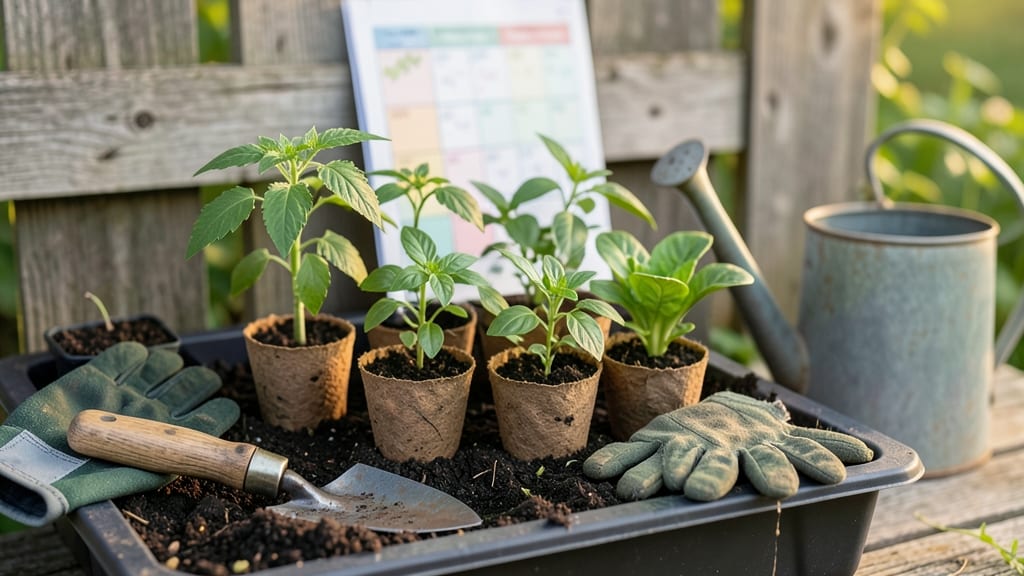
Timing when to plant a vegetable garden in Northern California isn’t just about the calendar—it’s about mastering your microclimate. Whether you’re in foggy coastal zones or the toasty Sacramento Valley, planting too early or late can mean the difference between a thriving harvest and wasted seeds.
The key? Knowing your last frost date—and how to tweak it for your specific corner of the state.
Most gardeners assume March is the magic month, but that’s only half the story. Coastal areas like San Francisco can still see frost in February, while inland spots like Stockton are ready to plant heat-lovers like tomatoes weeks earlier.
I’ll break down exactly when to start seeds, transplant seedlings, and even adjust for those sneaky heatwaves that can fry tender greens before they mature.
What you’ll discover here are the exact planting windows for your region, plus pro tips for urban gardeners dealing with concrete heat islands or rural growers with longer frost-free seasons. No more guessing—just data-driven dates to help your 🥬 vegetable garden thrive year-round.
Ready to stop second-guessing and start planting with confidence? Let’s dive into the schedule that’ll turn your backyard into a bountiful harvest zone—no matter where you are in Northern California’s diverse growing landscape.
Northern California planting zones: exact frost-free dates by region (2024 guide)
Northern California’s microclimates create a gardening puzzle where last frost dates can shift by weeks just 50 miles apart. The Bay Area might still see frost in mid-February, while the Sacramento Valley could be frost-free by January 10.
Understanding these regional differences is key to timing your vegetable garden for maximum success.
For this guide, I’ve broken down five critical regions with their average last frost dates and frost-free windows. These dates are based on 30-year climate data and adjusted for urban heat islands (like downtown Sacramento) that can warm soil by 5-10°F compared to rural areas.
Pro Tip: Always check the National Weather Service or local Cooperative Extension reports 2 weeks before your target planting date—late frosts can still occur, especially in elevated areas like the Sierra Foothills.
| Region | Last Frost Date | Frost-Free Window | USDA Zone | Notes |
|---|---|---|---|---|
| Bay Area (San Francisco, Oakland) | February 15 | 210 days | 9a-9b | Coastal fog delays warming; use row covers for early crops. |
| Sacramento Valley (Sacramento, Stockton) | January 10 | 270 days | 9b-10a | Urban heat islands can push dates 1-2 weeks earlier. |
| Sierra Foothills (Chico, Redding) | February 1 | 230 days | 8a-9a | Higher elevations may see frost until March 1. |
| Redwood Coast (Eureka, Arcata) | February 28 | 190 days | 8b-9a | Persistent coastal fog limits warm-season crops. |
| Central Coast (Santa Barbara, Salinas) | January 25 | 250 days | 9b-10a | Warmer microclimates allow earlier plantings of tomatoes. |
The Sacramento Valley stands out with the earliest frost-free dates in Northern California, thanks to its inland location and urban heat retention. This means you can start warm-season crops like tomatoes and peppers as early as February 1 in protected microclimates.
However, coastal areas like the Redwood Coast may still see frost until late February, delaying plantings by 3-4 weeks.
For cool-season crops like kale, spinach, and peas, I recommend starting seeds 4-6 weeks before your region’s last frost date. For example, Bay Area gardeners should begin sowing by January 15, while Sacramento gardeners can wait until December 15.
This timing ensures seedlings are hardy enough to survive any late frosts.
One common mistake I see is planting warm-season crops too early, even in heat-tolerant zones. For instance, tomatoes planted in Sacramento before March 1 often suffer from blossom drop due to temperature swings.
Wait until soil temps reach 60°F (use a soil thermometer!) before planting heat-lovers like peppers and eggplants.
If you’re in a transition zone (like Santa Cruz or Sonoma), err on the side of caution. These areas can experience unpredictable late frosts even after the average last frost date. Use frost cloth or row covers to protect seedlings until you’re confident the danger has passed.
For urban gardeners, pay attention to microclimates within your city. A south-facing wall can warm soil by 10°F compared to a shady backyard, allowing you to plant 2 weeks earlier in those spots. Always test your soil temperature with a thermometer before planting heat-sensitive crops.
Remember: Frost dates are averages, not guarantees. Keep a garden journal to track your local patterns—over time, you’ll refine these dates
Best vegetables to plant by month in Northern California (with microclimate tweaks)
Northern California’s monthly planting windows shift dramatically between coastal chill and valley heat. I’ve broken down the best cool-season and warm-season crops to plant each month, with adjustments for your specific microclimate.
For example, basil thrives in Sacramento’s May-June heat but needs shade cloth in coastal Santa Cruz until July.
Start with January-February for cold-hardy crops like kale, peas, and spinach. These tolerate coastal fog and Sierra frosts until late February. In valley regions, plant broccoli and carrots 4-6 weeks before your last frost date—typically mid-January in Sacramento but late February near the coast.
- 🌱 January-February: Cool-season crops (kale, peas, spinach, lettuce) + onion sets. Coastal: Add row covers for frost protection.
- 🌿 March-April: Broccoli, cauliflower, radishes. Valley: Start warm-season crops like tomato seedlings indoors.
- ☀️ May-June: Tomatoes, peppers, beans. Coastal: Wait until June 15+ for soil warmth.
- 🌻 July-August: Succession plant lettuce, bush beans, cucumbers. Valley: Use shade cloth for heat-sensitive crops.
- 🍂 September-October: Fall broccoli, kale, carrots. Coastal: Extend season with cold frames.
- ❄️ November-December: Garlic, onion bulbs, winter radishes. Valley: Protect with mulch.
For warm-season crops like tomatoes and peppers, wait until after your last frost date—typically mid-April in Sacramento but late May near the coast. Use black plastic mulch in valley gardens to warm soil faster.
In coastal areas, delay planting until June 1 to avoid soil temperatures below 60°F, which stunts growth.
Succession planting is key in Northern California.
For example, sow lettuce every 2 weeks from March to September to ensure a continuous harvest. Radishes mature in just 30 days, making them perfect for filling gaps between slower crops like carrots (70 days) or broccoli (60 days).
Adjust for urban heat islands in cities like Sacramento or Fresno, where sidewalk concrete can raise soil temps by 10°F. Plant heat-tolerant varieties like ‘Heatmaster’ tomatoes or ‘Malaga’ spinach, and water deeply in the morning to prevent stress.
In coastal fog zones, prioritize drought-resistant crops like kale or Swiss chard, which thrive in high humidity.
Pro tip: Use seed starting dates from the Johnny’s Selected Seeds calculator and adjust by 2-4 weeks based on your microclimate. For instance, coastal gardeners should start tomato seeds indoors in March, while valley growers can begin in February.
Always check local frost forecasts from the National Weather Service for real-time adjustments.