
Companion Plants
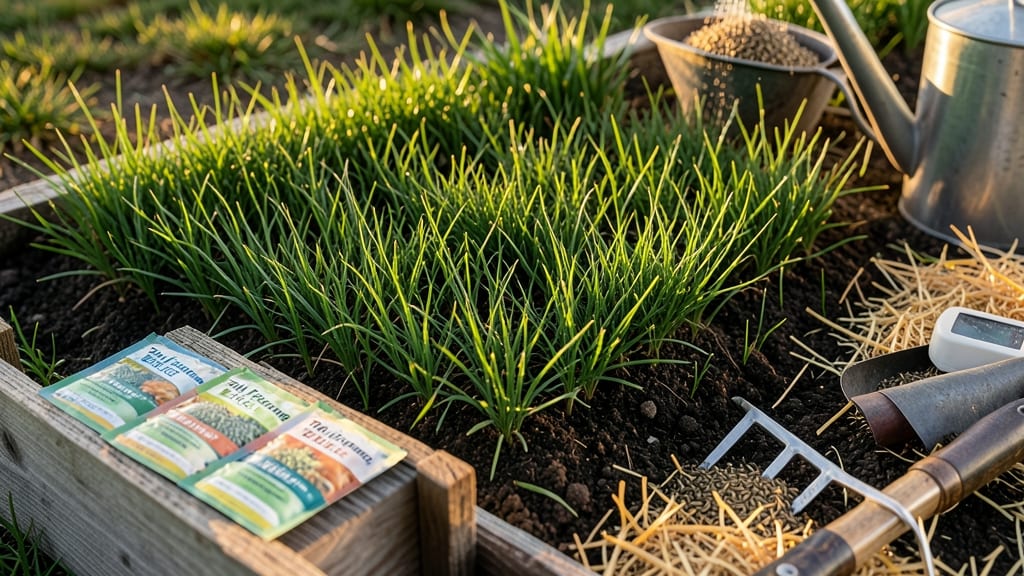
If you’ve ever stared at a patchy lawn and wondered "when should I plant grass seed in the fall", the answer isn’t just about the season—it’s about the 4-6 weeks before frost that make or break your results.
Fall planting gives grass roots a head start, but timing it wrong means weeds or winter kill. Let’s break down the exact window for your zone and why this season is the game-changer for a thicker lawn next spring.
Most gardeners in Zone 6a (like me!) know fall is the sweet spot for cool-season grasses like Kentucky Bluegrass or Fescue. The key is planting 4-6 weeks before your first frost—so if your last frost hits November 15, aim for early October.
Too early, and seeds rot in warm soil; too late, and they won’t establish roots before winter. We’ll show you how to adjust for your region’s quirks, from Pacific Northwest rains to Southern humidity.
But here’s the catch: even the perfect timing won’t work if your soil isn’t ready. We’ll cover prepping your yard—loosening soil, leveling low spots, and choosing the right seed blend—for a lawn that looks like a pro’s work, not a DIY experiment.
Skip these steps, and you’ll spend next summer patching bare spots. Let’s get your grass off to the best start possible.
Ready to transform your lawn? I’ll walk you through the exact weeks to plant in your zone, plus how to tell if conditions are really right (hint: it’s not just about the calendar).
By the end, you’ll know whether your yard is primed for a lush, weed-free spring—or headed for another year of frustration. Let’s make this the season your lawn finally thrives.
Fall grass seed planting timeline by USDA hardiness zones (weeks before frost)
Fall is the perfect time to plant grass seed because cooler temperatures and increased rainfall create ideal conditions for germination. But timing varies dramatically depending on your USDA hardiness zone. Plant too early, and your seeds may rot; too late, and frost will kill young sprouts.
The golden rule? Aim for 4-6 weeks before your first frost date—this gives roots time to establish before winter dormancy.
To find your exact frost date, check the USDA Plant Hardiness Zone Map and local weather averages. For example, in Zone 3 (think Minnesota or Montana), you’ll want to plant by early September, while Zone 10 (Southern California or Florida) can extend planting into November.
Regional microclimates—like coastal areas with milder winters—can shift this window by 2-3 weeks.
Here’s how to calculate your planting window: Subtract 6 weeks from your first frost date. If your frost arrives on November 15, plant by October 1. Use the table below for zone-specific guidance, including adjustments for Pacific Northwest and Deep South variations.
| USDA Zone | Planting Window | Key Regions | Adjustments |
|---|---|---|---|
| Zone 3-4 | Mid-August to early September | Minnesota, Montana, Maine | Early frost? Plant by August 15. |
| Zone 5-6 | Late August to mid-September | Chicago, Denver, New York | Northern areas: shift 1 week earlier. |
| Zone 7-8 | Early September to early October | Washington, D.C., Atlanta | Pacific Northwest: extend to mid-October. |
| Zone 9-10 | Late September to November | Los Angeles, Orlando, Houston | Southern Florida: plant until December. |
For Pacific Northwest gardeners (e.g., Seattle or Portland), milder coastal winters allow planting up to mid-October. In contrast, the Deep South (e.g., Texas or Georgia) can push planting into November, but avoid planting if daytime temps exceed 85°F—seeds risk drying out.
Pro tip: Use a soil thermometer to confirm temperatures are between 60°F and 75°F. If your soil is too warm (above 80°F), wait 2-3 weeks or mulch heavily to cool it down. This is especially critical in Zone 8-10, where late-summer heat can derail germination.
Once you’ve nailed your planting window, focus on soil prep. Remove debris, loosen the top 2-3 inches of soil, and mix in compost to improve drainage. A light raking creates a fine seedbed—critical for cool-season grasses like Tall Fescue or Kentucky Bluegrass to make contact with the soil.
After sowing, keep the soil consistently moist (not soggy) for the first 2-3 weeks. Use a light mulch (like straw) to retain moisture and protect seeds from bird foraging. In drought-prone areas, consider a lightweight row cover to shield seedlings from wind and heat stress.
Remember: Fall planting isn’t just about timing—it’s about root development. Seeds sown in September or October will establish deep roots before winter, giving you a head start in spring. Skip the summer heat, and your lawn will outcompete weeds naturally.
5 Signs your fall grass planting timing is perfect (and 3 red flags to avoid)
Timing your fall grass seed planting correctly means the difference between a thick, green lawn and a patchy, weed-filled mess. The ideal window isn’t just about weeks before frost—it’s about soil temperature, daylight hours, and rainfall patterns.
Even experienced gardeners can misjudge, leading to seeds rotting in warm soil or sprouts freezing before establishing roots. Let’s break down the 5 signs your timing is perfect and the 3 red flags that mean you’ve waited too long.
First, check your soil temperature. Cool-season grasses like Kentucky Bluegrass and Fescue thrive when soil temps hover between 60°F and 75°F. Use a soil thermometer to test—if it’s above 75°F, seeds may rot before germinating.
Aim for late August to early October in most regions, but adjust based on your local first frost date. For example, in Zone 5, planting in mid-September gives seeds 6-8 weeks to root before winter. In Zone 8, you might push it to early November.
Next, monitor daylight hours. Grass seeds need 10-12 hours of daylight to germinate properly. As fall progresses, days shorten, so planting too late can stall growth. If your area drops below 10 hours of daylight, your seeds may struggle to sprout before frost.
Use a sunlight tracker or local weather app to confirm daylight trends in your area.
Rainfall is another critical factor. Grass seeds need consistent moisture to germinate, but too much rain can wash them away or cause soil compaction. Aim for 1-1.5 inches of rain per week or supplement with light watering (about ¼ inch daily) if drought hits.
A 5-day forecast with steady rain is ideal—plant when you’ve got 3-4 days of steady showers in your outlook.
🌱 Pro Tip: Test your soil’s moisture by squeezing a handful. If it holds shape but crumbles easily, it’s perfect. If it’s dry and dusty, water before planting.
🌱 5 Signs Your Timing Is Perfect
- Soil temp: 60°F–75°F (use a thermometer)
- Daylight: 10–12 hours (check local trends)
- Rainfall: 1–1.5" weekly (or supplement)
- Frost date: 4–6 weeks until first frost
- Seed viability: Test germination rate (soak seeds in water; 80%+ float = good)
Now, watch for 3 red flags that mean you’ve planted too early or too late. First, if your soil stays above 75°F for more than a week after planting, seeds may rot. Second, if daylight drops below 10 hours within 2 weeks of planting, sprouts will grow slowly and weaken.
Finally, if frost is predicted within 3 weeks, your grass won’t have time to establish roots before winter dormancy. In these cases, delay planting by 2-4 weeks or use a thick mulch layer to insulate seeds.
After planting, keep an eye on sprout growth. Healthy seedlings should appear in 7-21 days, depending on the grass type. If you see yellowing leaves or mold, you may have planted too early—seeds need cooler temps to thrive.
Conversely, if sprouts are stunted or brown after 3 weeks, you might have planted too late. Adjust next year’s timing based on these clues!
💡 Remember: Fall planting rewards patience. The goal is to give your grass strong roots before winter, so it wakes up lush and ready in spring. If you nail the timing, you’ll skip the summer weed battles and enjoy a thicker lawn with less effort.