
Companion Plants
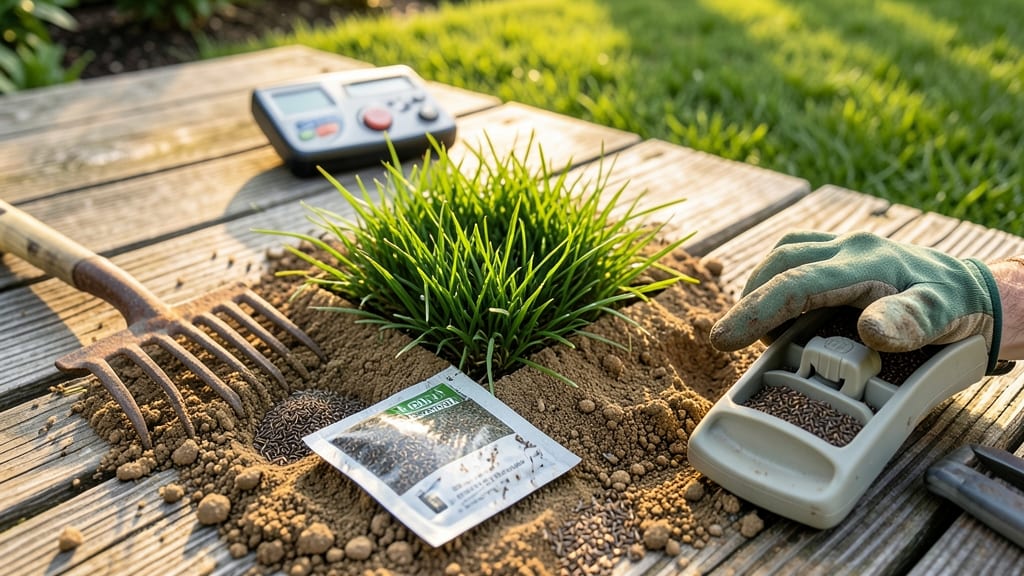
Timing your spring grass planting could make or break your lawn’s success—because cool-season grass like 🌱 fescue or Kentucky bluegrass thrives when soil temps hit just the right zone.
In USDA Zone 6, that means waiting until early March or April, but get it wrong, and you’ll end up with slow germination or seeds that just rot in the cold, damp earth.
Most gardeners focus on frost dates, but the real game-changer is soil temperature—50°F to 65°F is the sweet spot for fast germination. Too cold, and your seeds will sit dormant; too warm, and they’ll dry out before sprouting.
I’ll show you exactly how to test your soil’s readiness and adjust for your local microclimate, so you’re not guessing whether it’s time to dig in.
Whether you’re planting cool-season grass in Zone 6 or a warmer region, the right timing ensures your lawn starts strong and stays lush. You’ll learn how to read the signs—like soil moisture and seedling growth—and avoid the 5 biggest mistakes that turn patchy lawns into a springtime regret.
Let’s cut through the confusion and get your grass off to a fast, healthy start—no more waiting months for green to appear. Here’s your step-by-step checklist to plant at the perfect moment.
Ideal soil temperature for planting grass in spring (check before you dig)
Spring grass planting success starts with one critical factor: soil temperature. Most gardeners focus on frost dates, but cool, damp soil is the real villain—it causes seeds to rot before they sprout.
The sweet spot for cool-season grasses like Kentucky bluegrass or fescue is 50°F to 65°F, while warm-season grasses like Bermuda or zoysia need 65°F to 75°F to germinate properly.
Why does this matter? Seeds need consistent warmth to activate enzymes that break down stored energy. Below 50°F, germination slows to a crawl or stops entirely. Above 75°F, warm-season seeds may dry out before sprouting.
Even a 5°F swing can delay growth by weeks, leaving your lawn vulnerable to weeds or frost damage.
Testing soil temperature is easier than you think. Use a soil thermometer (just $10 at garden centers) and check 2 inches deep—that’s where seeds will be. Morning is best because afternoon sun can skew readings.
If your soil is below 50°F, wait at least 1-2 weeks for temperatures to rise naturally, or use black plastic mulch to warm it faster.
| Region | Optimal Planting Window | Soil Temp Threshold (°F) | Key Risks Below Threshold | Pro Tip for Faster Germination |
|---|---|---|---|---|
| Northern U.S. (Zones 3-5) | Mid-April to early May | 50°F–60°F | Seed rot, slow sprouts, frost damage | Use starter fertilizer with phosphorus to boost root growth. |
| Midwest (Zones 6-7) | Late March to mid-April | 55°F–65°F | Mold growth, uneven germination | Cover seeds with light straw mulch to retain heat. |
| Southern U.S. (Zones 8-10) | Early March to late April (cool-season) or late May (warm-season) | 60°F–75°F (type-dependent) | Seeds dry out too fast | Water lightly twice daily to keep soil moist. |
Regional differences matter more than you’d expect. In Zone 5 or colder, aim for 4-6 weeks before your last frost date—this gives seeds time to germinate before summer heat arrives. For example, if your last frost is May 10, plant by April 1.
In Zone 8+, warm-season grasses like Bermuda can go in as early as late February, but cool-season grasses like ryegrass should wait until March to avoid winter kill.
Microclimates—like south-facing slopes or shaded areas—can shift your ideal window by 2-3 weeks. Test soil in the coolest, shadiest spot of your lawn first. If it’s too cold there, the rest of your yard will be fine.
Pro tip: Raised beds warm up 2-3°F faster than ground soil, so they’re perfect for early planting.
One common mistake? Relying on air temperature instead of soil temp. A 70°F day with 50°F soil won’t help—seeds need consistent warmth underground. If you’re unsure, dig a 6-inch hole, fill it with water, and check the temperature after 10 minutes.
This mimics seed-level conditions more accurately than surface readings.
For fastest germination, combine soil warmth with proper moisture. Water your seedbed deeply the night before planting to pre-warm the soil, then keep it evenly moist (not soggy) for the first 2 weeks.
A light sprinkle twice daily beats heavy watering once a week—it prevents seeds from drying out while they wait for warm soil to activate.
Remember: Patience pays off. Rushing into cold soil might save you a week, but it risks mold, rot, or washed-out seeds.
Wait for consistent warmth, and your grass will reward you with uniform, vigorous growth within 3-4 weeks—not the patchy, slow-starting lawns you see from early planters.
Spring planting timeline by grass type (cool-season vs. warm-season)
Choosing the right planting window depends entirely on your grass type—cool-season grasses like Kentucky bluegrass and fescue thrive in spring, while warm-season varieties like Bermuda or zoysia wait for summer heat.
Even a 2-week delay can mean the difference between fast germination and seed failure. Let’s break down the ideal schedule for your region.
For the Northern U.S. (USDA Zones 3-7), cool-season grasses should hit the ground 4-6 weeks before your last frost date. In Zone 6, that’s typically mid-March to early April.
Southern regions (Zones 8+) can plant warm-season grasses as early as late April, but cool-season types still prefer early spring before summer heat arrives.
Here’s your grass-specific planting timeline, including germination expectations and soil prep tips to avoid common mistakes:
| Grass Type | Best Planting Months (Northern U.S.) | Best Planting Months (Southern U.S.) | Germination Time (Weeks) | Soil Prep Requirement |
|---|---|---|---|---|
| Kentucky Bluegrass | March–April | September–October (fall) or March (spring) | 2–3 weeks | Loosen soil to 3" depth; add compost |
| Tall Fescue | April–May | April–May (or fall) | 3–4 weeks | Test pH (6.0–7.0); till 4" deep |
| Bermuda | Late April–May | April–June | 10–14 days (with heat) | Sandy, well-draining soil; no compost |
| Zoysia | May–June | April–May | 2–3 weeks | Full sun; till 2–3" deep |
Pro tip: If you’re in a transition zone (Zones 7-8), opt for cool-season grasses in fall and warm-season types in late spring to avoid summer drought stress. Always check your local frost dates—planting too early risks frost damage, while delaying can lead to weed competition.
For fastest results, aim to have your lawn fully established before summer heat. Cool-season grasses need 6–8 weeks to thicken up, so don’t wait until June! If you miss the spring window, fall planting (August–September) is your next best bet for most regions.
🌱