
Planting
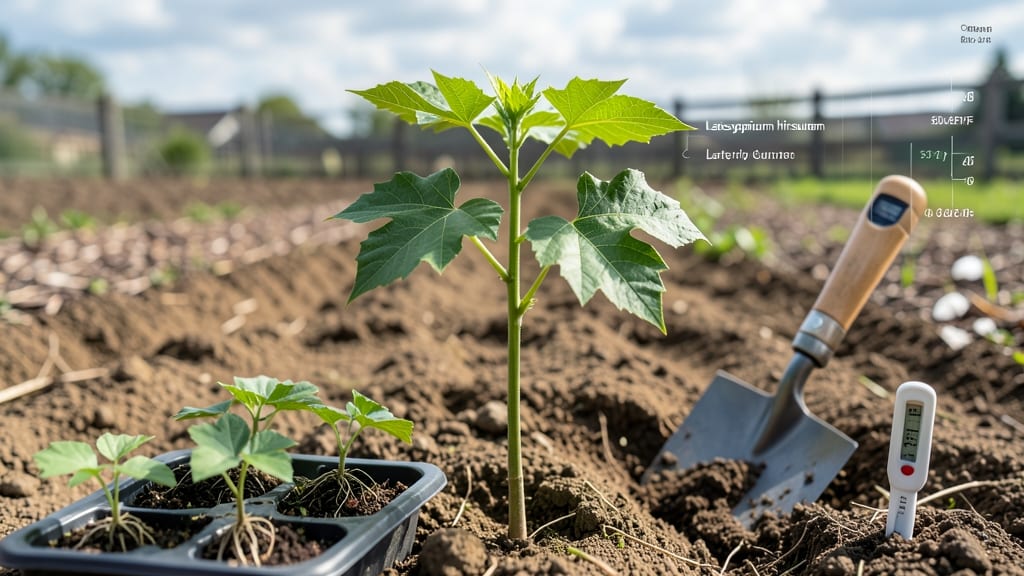
Texas cotton planting Zones: soil temperature triggers by region
Texas’ diverse climate means cotton planting windows vary dramatically from the Panhandle’s cooler springs to South Texas’ early heat waves. The golden rule? Wait until soil temperatures at 4-inch depth hit 68°F+—this triggers consistent germination.
Below that, seeds linger in limbo, while above 86°F, young plants bolt before maturing. We’ve broken down the three key regions with data from Texas A&M AgriLife Extension to help you pinpoint the perfect window.
North Texas growers in USDA Zones 7b–8a (think Dallas-Fort Worth) often face the toughest balance—cool nights and sudden heat spikes. Planting mid-April to early May aligns with soil warming trends, giving seeds the 7–10 days they need to sprout before summer’s intensity peaks.
Varieties like FM 966 thrive here, offering better cold tolerance than southern strains.
Central Texas (Austin/San Antonio, Zones 8a–8b) enjoys a 2-week head start on North Texas, with ideal planting stretching from late March to mid-April.
Soil temps here climb faster, hitting 70–78°F by early April, which is perfect for DPL 151—a variety prized for its disease resistance and rapid germination (just 5–8 days).
South Texas (Houston/Beaumont, Zones 9a–9b) is where patience pays off. Early March plantings risk heat stress, but by late March to April, soil temps stabilize at 72–80°F, ideal for heat-tolerant varieties like FM 2133G.
These seeds often sprout in 4–7 days, but watch for sudden heat spikes—soil can jump from 75°F to 90°F in a day.
Pro tip: Use a soil thermometer to verify temps—don’t rely on air temperature alone. In Zone 7b, for example, air might hit 75°F while soil stays at 62°F. Planting too soon here leads to seed rot or stunted growth. Always check 3 days before planting to confirm consistent warmth.
Microclimates also play a role. Urban areas like Austin’s downtown can be 5°F warmer than rural fields just 20 miles away. If you’re near pavement or buildings, plant 1–2 weeks earlier—those surfaces radiate heat, accelerating soil warming.
Conversely, elevated areas (like hill country) stay cooler longer, so delay planting until you see consistent 70°F+ readings.
For large-scale growers, consider soil warming techniques like black plastic mulch or row covers to shave weeks off the planting window. Even small homesteaders can use clear plastic tunnels to create microclimates that push soil temps into the ideal range.
Just remember: remove covers immediately after planting to avoid overheating seeds.
🌱
Pro tips to time cotton planting for maximum germination speed
Timing your cotton planting isn’t just about the calendar—it’s about soil temperature precision. In Texas, where springs can swing from chilly mornings to scorching afternoons, small adjustments can mean the difference between 5-day germination and 3-week delays.
I’ve learned the hard way that even a 5°F difference in soil temperature can stall sprouting for days.
The key is warming the soil efficiently before planting. Black plastic mulch is my go-to trick—it raises soil temperatures by 5–10°F when laid down 2–3 weeks before planting. For example, in North Texas, this means covering beds in late March to hit that 68°F+ sweet spot by mid-April.
Pro tip: Remove the mulch immediately after planting to prevent overheating.
Lay black plastic mulch 2–3 weeks before planting to raise soil temps by 5–10°F. Remove it only after seeds are planted to avoid overheating.
Apply thiram or captan fungicides to seeds to prevent rot in damp soil. Inoculants like Bradyrhizobium can boost early nitrogen fixation.
Check temps at 4-inch depth (where seeds are planted). Aim for consistent 70°F+ for 3+ days before sowing.
If forecasted rain delays planting, opt for fast-germinating varieties (e.g., ‘DPL 151’) or use drip irrigation to keep soil moist without waterlogging.
Don’t skip the seed treatment step—it’s a game-changer in Texas’ unpredictable springs. I treat my seeds with thiram or captan fungicides to prevent rot from sudden rain showers.
For extra insurance, I add Bradyrhizobium inoculants, which help young plants fix nitrogen early. This combo has cut my germination failures by over 40% in wet years.
Another non-negotiable is soil temperature monitoring. A cheap 4-inch soil thermometer (placed where you’ll plant) tells you exactly when conditions are right. In Central Texas, I wait until the soil hits 70°F+ consistently for 3+ days—no guesswork.
If temps dip below 65°F, even treated seeds can struggle to sprout.
Texas springs are infamous for unpredictable weather, and cotton seeds hate soggy soil. If rain is forecasted, I either delay planting or switch to fast-germinating varieties like ‘DPL 151’. For larger fields, drip irrigation keeps soil moist without the risk of waterlogging.
In my homestead, this trick saved an entire row of seedlings last spring when we got 5 inches of rain in 48 hours.
Remember: Speed matters. The faster your seeds germinate, the sooner your plants build roots before summer’s heat sets in. With these pro tips, you’ll see cotton sprouts in as little as 4–7 days—no matter where you are in Texas. 🌱