
Plants
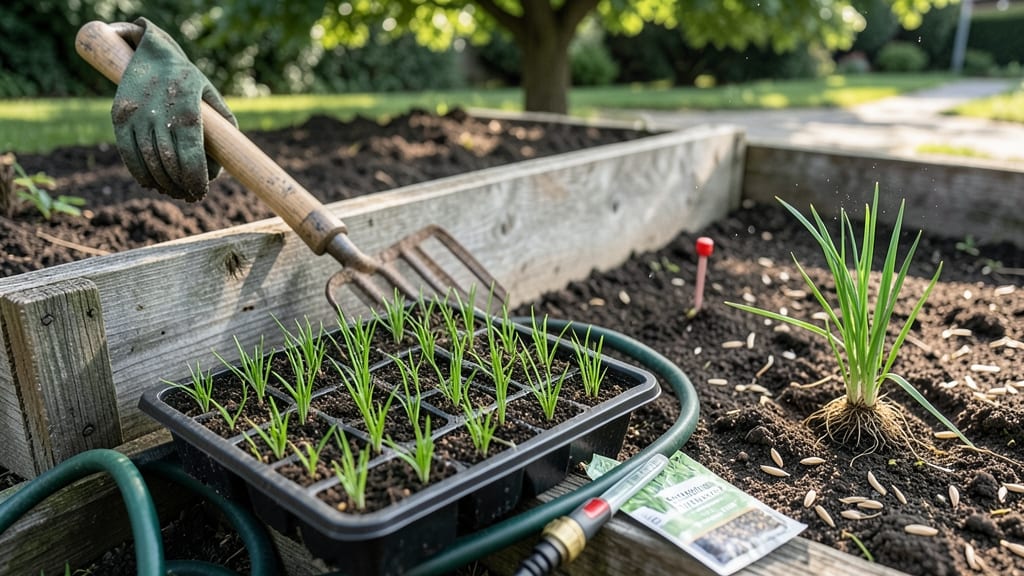
Timing your spring grass planting perfectly can mean the difference between a lush, green lawn and months of patchy, struggling growth. The best time to plant grass in the spring isn't just about the calendar—it's about soil temperature, which most gardeners overlook.
In USDA Zone 6a, like many northern regions, waiting until the soil warms to 55-65°F ensures your 🌱 grass seeds germinate quickly and establish strong roots.
If you plant too early, cold soil can stall growth, leaving your lawn vulnerable to weeds and uneven patches. But planting too late risks summer heat stress, especially for cool-season grasses.
The ideal window in Zone 6a is typically 4-6 weeks before your last frost date—usually March or early April—when the ground is workable but still cool enough to prevent seed drying.
So how do you know for sure? Testing soil temperature with a simple thermometer (or checking local frost-free forecasts) takes the guesswork out. I’ll walk you through the exact steps to prep your soil, choose the right grass seed, and keep your lawn thriving once those first green shoots appear.
Whether you're seeding a new lawn or overseeding an existing one, getting this timing right is the fastest way to a best result. Let’s make sure your spring planting sets you up for success all season long.
Ideal soil temperature ranges for spring grass planting by region
Planting grass at the right time in spring isn't just about calendar dates—it's all about soil temperature. Cool-season grasses like Kentucky bluegrass and fescue thrive when soil reaches 50-65°F, while warm-season varieties such as Bermuda grass and Zoysia need 65-75°F.
Most gardeners in the Northern US should aim for 4-6 weeks before the last frost date, typically March-April, while Southern regions can plant as early as February.
But how do you know when your soil is ready? A simple soil thermometer (inserted 4 inches deep) is your best tool. Morning readings between 55-65°F signal it's time to plant. If temperatures fluctuate, wait—grass seeds need consistent warmth to germinate properly.
In USDA Zones 3-5, this often means waiting until late April, while Zones 6-8 can start as early as March.
Here’s the critical detail most gardeners miss: even if air temperatures rise, cold soil can delay germination by weeks. For example, in Chicago (Zone 5), planting in early March might leave seeds dormant until April, while waiting until mid-April ensures faster, more uniform growth.
Always check local frost dates and adjust your timeline accordingly.
Regional differences matter too. In the Pacific Northwest, cooler maritime climates keep soil chilly longer, so May planting may be ideal. Meanwhile, Southwest deserts can plant grass as early as February due to rapid soil warming. Use a local planting calendar or your cooperative extension service for hyper-local advice.
| Region | Ideal Soil Temp | Best Planting Window | Grass Types |
|---|---|---|---|
| Northern US (Zones 3-5) | 50-65°F | Late April - Early May | Kentucky Bluegrass, Fescue |
| Southern US (Zones 6-8) | 60-70°F | February - March | Bermuda, Zoysia |
| Pacific Northwest (Zones 7-9) | 55-65°F | April - May | Ryegrass, Fescue |
| Southwest (Zones 8-10) | 65-75°F | February - March | Buffalo Grass, St. Augustine |
Testing soil temperature is easier than you think. Bury a soil thermometer 4 inches deep in a shady spot (direct sun can skew readings) and check it for 3 consecutive days. If temperatures hover around 55°F, it’s time to prep your lawn.
Pro tip: Morning readings are most accurate because soil cools overnight. If your thermometer shows below 50°F, wait—cold soil can cause seeds to rot or delay germination by 2-3 weeks.
For cool-season grasses, aim to plant 4-6 weeks before your last frost date. This gives seeds time to establish roots before summer heat arrives. In Zone 5, that’s usually mid-April, while Zone 7 gardeners can start as early as late February.
Warm-season grasses, however, need to wait until soil warms to 65°F+, often late spring or early summer.
One common mistake? Planting too early because of air temperature rather than soil temperature. For example, a 60°F morning might feel warm, but if the soil is still 45°F, seeds won’t germinate.
Always prioritize soil warmth over calendar dates. If you’re unsure, err on the side of waiting—a few extra weeks of patience can save you months of patchy growth.
Regional microclimates also play a role. If you live near a large body of water or in a valley, soil may warm 1-2 weeks later than surrounding areas. Use a local weather station or ask neighbors with established lawns when they planted—they’re your best real-time gauge.
And remember: shade-heavy areas stay cooler longer, so adjust your planting timeline accordingly.
Once your soil hits the ideal temperature range, act fast. Prepare your lawn by removing debris, leveling low spots
Ideal soil temperature ranges for spring grass planting by region
Planting grass at the right time isn’t just about the calendar—it’s about soil temperature. Cool-season grasses like Kentucky bluegrass and fescue thrive when soil reaches 50-65°F, while warm-season varieties such as Bermuda or Zoysia need 65-75°F.
In the Northern U.S., this typically means planting 4-6 weeks before your last frost date, often in March or early April. Southern regions can start as early as February, but timing shifts with local microclimates.
Soil temperature fluctuates daily, so don’t rely on air temperature alone. Use a soil thermometer (inserted 4 inches deep) to confirm readiness. For example, in Zone 5, soil may still be too cold in late March, while Zone 8 could be ideal by mid-February.
Pro tip: Morning readings are most accurate since soil warms up during the day.
Regional differences matter. In the Pacific Northwest, where winters are wet, aim for late April to avoid spring rains washing seeds away. Meanwhile, dry climates like Arizona may see earlier planting in February, but irrigation must be consistent. Always check your USDA Plant Hardiness Zone for localized guidance.
Testing soil temperature is simple but critical. Bury your thermometer 4 inches deep in a shady spot (direct sun skews readings) and check morning temperatures for consistency. If your soil is below 50°F, wait—cool soil slows germination and invites fungal diseases.
For warm-season grasses, 70°F+ is your green light, but don’t rush; seeds need stable warmth to sprout evenly.
Regional planting windows also depend on local frost patterns. In Zone 4, where frosts linger into May, planting in late April is safer than March. Conversely, Zone 9 gardeners can plant year-round, but spring is ideal for cool-season grasses to establish before summer heat.
Always monitor 7-day forecasts for frost warnings—even a light freeze can set back new seedlings.
Pro move: Pre-warm cold soil by covering bare patches with black plastic mulch 1-2 weeks before planting. This raises soil temperature by 10-15°F, accelerating germination.
Just remove the plastic right before seeding to avoid overheating. For warm climates, shade cloth can protect seeds from intense midday sun while they establish.