
Plants
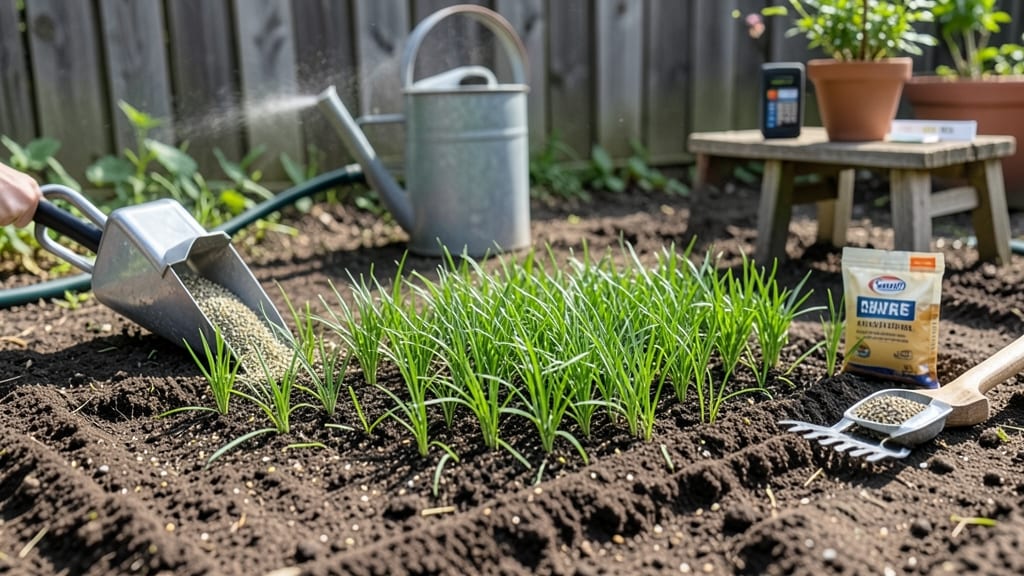
Timing your grass seed planting in the fall can make or break your lawn’s success—especially in USDA Zone 6a where cooler weather sets the stage for strong root growth before winter. If you plant too early, seedlings may struggle with heat stress; too late, and frost will stunt their development.
The sweet spot? 4-6 weeks before your first frost—typically mid-September to early October in most regions.
Why does this window matter so much? Cool-season grasses like Kentucky bluegrass and tall fescue thrive when soil temperatures drop to 60-70°F, encouraging deep root systems before dormancy. Skip this timing, and you risk shallow roots that won’t survive winter—or worse, wasted seed.
Let’s break down the exact steps to nail your planting schedule for a lush, resilient lawn next spring.
Most gardeners overlook how regional differences affect planting dates—what works in Zone 6a might not suit your neighbor’s microclimate. We’ll cover how to adjust for your specific location, whether you’re dealing with early freezes, heavy rainfall, or soil that’s slow to warm.
Plus, I’ll share my top 3 pro tips to ensure your grass seed germinates quickly and establishes before the ground freezes.
Ready to transform your lawn? By the end of this guide, you’ll know exactly when to plant, how to prep your soil, and what to watch for as your 🌱 grass seed takes root. No more guesswork—just a thicker, greener lawn by spring.
Optimal fall planting windows by region: cool-season grass seed timing guide
Fall is the best time to plant cool-season grass seed because mild temperatures and increased rainfall create perfect growing conditions. The ideal window is 4-6 weeks before your first frost, giving seedlings time to establish roots before winter dormancy.
But this timing varies dramatically by region—what works in New England may be too late for Texas or too early for California.
Cool-season grasses like Kentucky bluegrass, tall fescue, and perennial ryegrass thrive when soil temperatures hover between 60°F and 75°F. If you plant too early, seedlings may overheat or dry out; too late, and frost will kill tender sprouts before roots form.
Let’s break down the perfect planting schedule for your area.
🌱 PRO TIP: Use your local frost date as your starting point. Check the USDA Plant Hardiness Zone Map or ask your local Cooperative Extension Service for precise dates.
| Region | First Frost Date | Ideal Planting Window | Key Considerations |
|---|---|---|---|
| Northern U.S. (Zones 3-5) | Mid-September to early October | Late August to mid-September | Short growing season; prioritize fast-germinating seeds like perennial ryegrass. |
| Mid-Atlantic (Zones 6-7) | Late October to early November | Mid-September to early October | Moderate rainfall; aerate soil to improve seed-to-soil contact. |
| Southern U.S. (Zones 8-10) | December to January | Late August to early October | Longer growing season; avoid summer heat—plant in early fall. |
| Pacific Northwest (Zones 7-9) | Mid-October to early November | Mid-September to early October | High humidity; choose disease-resistant varieties like tall fescue. |
| Mountain West (Zones 4-7) | Late September to early October | Late August to mid-September | Dry conditions; water deeply 2x daily until germination. |
If you’re in a transitional zone (like Virginia or Tennessee), aim for early September to account for unpredictable frost. For high-altitude areas (e.g., Denver or Salt Lake City), plant 4-8 weeks earlier due to cooler temperatures.
Microclimates matter too! Shady spots stay cooler longer, while south-facing lawns may dry out faster. Adjust your timing by 1-2 weeks if your yard has partial shade or poor drainage. For example, Boston’s North Shore might need earlier planting than Cape Cod.
🌡️ SOIL TEMPERATURE CHECK: Use a soil thermometer to confirm temps are below 65°F at a 4-inch depth. If it’s warmer than 75°F, wait—your seed will bake in the heat.
Don’t forget to monitor local weather forecasts for unseasonable warmth or early cold snaps. Some years, a heatwave in September can push your planting window later, while a cold snap in October might force you to plant earlier. Flexibility is key!
Once you’ve nailed your planting window, focus on soil prep and post-planting care to ensure your grass roots deeply before winter. The next section covers step-by-step soil prep and seed selection for fall success.
Ready to plant? Grab your seed spreader, compost, and a rain gauge—your dream lawn starts now! 🌱
Optimal fall planting windows by region: cool-season grass seed timing guide
Timing your grass seed planting in the fall is all about beating the first frost. Cool-season grasses like tall fescue and Kentucky bluegrass thrive when planted 4-6 weeks before frost, giving roots time to establish before winter dormancy.
In most U.S. regions, this window falls between mid-September and early October, but exact timing varies by zone.
For example, in USDA Zone 5 (think Midwest states like Ohio or Wisconsin), aim for late September planting. In warmer Zone 7 or 8 (like Georgia or Texas), you can push it to mid-October since frost arrives later.
Microclimates—like shaded spots or urban heat islands—can also shift your ideal window by 1-2 weeks.
| Region | Best Planting Window | Key Consideration |
|---|---|---|
| Northern (Zones 3-5) | Late August–early September | Frost arrives early; prioritize root growth |
| Transitional (Zones 6-7) | Mid-September–mid-October | Balanced window for germination and hardening |
| Southern (Zones 8-10) | Late September–November | Milder winters; extend window to late fall |
Soil temperature is your best indicator of readiness. Grass seed germinates best when soil stays above 50°F (10°C) during the day. Use a soil thermometer to check—if temps drop below 40°F (4°C) at night, delay planting until conditions stabilize.
In drought-prone areas, wait for consistent rainfall or irrigate lightly to keep soil moist without waterlogging.
If you’re in a coastal region (like California or the Pacific Northwest), your window may stretch into November due to milder winters. Conversely, high-altitude areas (e.g., Colorado mountains) should plant by early September to avoid early snow.
Always check your local frost date—the National Weather Service or Almanac provides reliable forecasts.
Pro tip: Test your soil’s pH before planting. Cool-season grasses prefer 6.0–7.0. If your soil is too acidic (below 6.0), amend it with lime 4–6 weeks before seeding. This gives the soil time to adjust and ensures your new grass gets the optimal growing conditions it needs.
Once you’ve nailed the timing, focus on seed selection. Tall fescue tolerates shade and drought, while Kentucky bluegrass spreads aggressively but needs full sun. Mixing 10–20% perennial ryegrass speeds up germination for a quicker green-up in spring. 🌱