
Plants
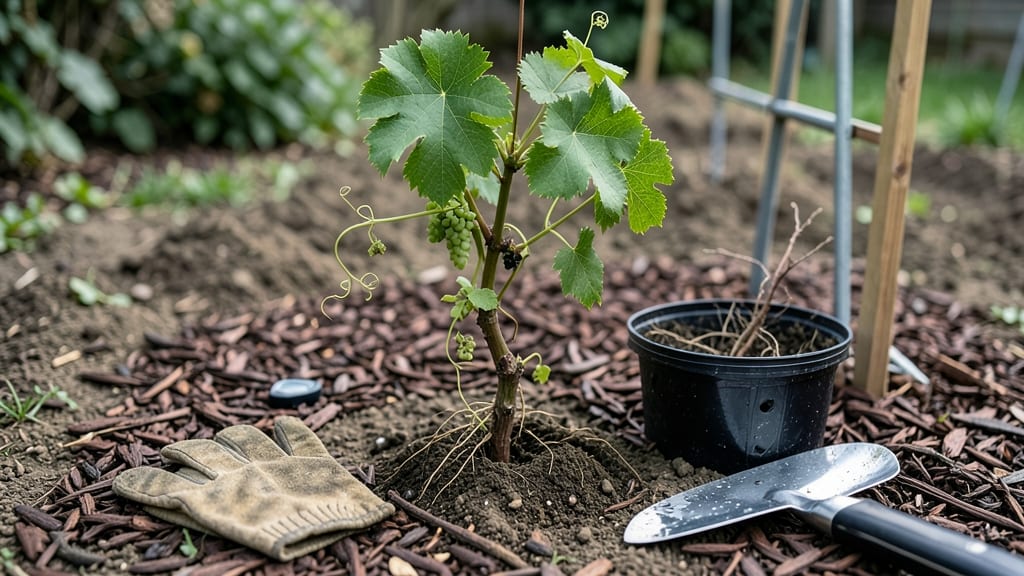
Timing your grape vine 🍇 planting in Zone 7 can make the difference between a thriving vineyard and a struggle against frost or weak growth.
If you plant too early, your young roots might freeze before establishing themselves, while planting too late risks stunted development before the growing season kicks in.
Most gardeners in Zone 7 (including sub-zones 7a and 7b) swear by two ideal windows: late winter to early spring (February through March) or early fall (September to October).
These periods give your grape vine the perfect balance of cool soil temperatures and enough time to root before the first frost hits around mid-November.
Why does this matter? Because a well-timed planting means stronger root systems, faster establishment, and healthier vines that produce better fruit. I’ll walk you through the exact steps to prepare your soil, choose the right variety for your microclimate, and protect your investment from Zone 7’s unpredictable weather shifts.
Ready to set your grape vine up for success? Let’s dive into the best months to plant—and how to give your new vine the strongest start possible before the first frost rolls in.
Best months to plant grape vines in Zone 7 for maximum root establishment
In Zone 7, planting grape vines at the right time ensures strong root growth before the first frost. The ideal window is either late winter to early spring (February–March) or early fall (September–October).
This timing aligns with grapevine dormancy cycles and avoids frost damage, which can be devastating to young roots.
Spring planting (after March 15, the average last frost date) gives vines 6–8 weeks of warm soil before summer heat peaks. Fall planting, however, allows roots to establish before winter dormancy, reducing transplant shock. Both methods work, but fall planting is often preferred for Zone 7’s milder winters.
Soil temperature is critical—grapevines need soil at least 60°F to root effectively. In Zone 7, this typically occurs by mid-April in most areas. Use a soil thermometer to confirm before planting, as cooler springs can delay root growth and stunt early foliage.
Another key factor is dormancy timing. Planting in September or October lets vines enter dormancy with a strong root system, ready to survive winter. If you miss fall, don’t wait until late spring—April is the last safe month before summer heat stresses young plants.
| Planting Window | Soil Temp Requirement | Root Establishment Goal | Zone 7 Timing |
|---|---|---|---|
| Late Winter | 50–55°F | Slow but steady | February (high risk) |
| Early Spring | 60°F+ | Rapid growth | March–April |
| Early Fall | 55–60°F | Strong pre-winter roots | September–October |
For Zone 7a (colder microclimates), prioritize September planting to avoid early frosts. In Zone 7b (warmer), October is still safe, but act before November 15, the average first frost date. If you’re unsure, err on the earlier side—September 15 is a foolproof cutoff for most of Zone 7.
Microclimates matter! If your garden sits in a frost pocket or near a large body of water, delay planting by 1–2 weeks to account for cooler temperatures. Conversely, south-facing slopes warm up faster, allowing earlier spring planting. Observe your yard’s patterns for 2–3 years to refine your timing.
Pro tip: Bare-root grapevines (sold dormant) can handle fall planting best, while potted vines (container-grown) tolerate spring planting more easily. Choose your vine type based on your preferred planting window—bare-root is cheaper but requires immediate planting, while potted vines offer flexibility.
After planting, mulch heavily (3–4 inches of straw or wood chips) to insulate roots in winter. This is especially critical in Zone 7a, where colder snaps can still occur. Mulch also retains moisture during dry Zone 7 summers, reducing stress on young vines.
Finally, avoid planting in late spring (May–June)—this risks heat stress and poor root establishment before winter. If you miss the ideal windows, wait until next year. Patience pays off with stronger, more productive grapevines in the long run.
How to prepare grape vine roots for Zone 7 planting: soil, climate, and pre-planting care
Preparing grape vine roots for Zone 7 planting is the secret to avoiding weak vines and frost damage. Start by testing your soil—grape vines thrive in well-draining soil with a pH between 6.0 and 7.0.
If your soil is heavy clay, amend it with compost or sand to improve aeration.
Before planting, prune the roots of bare-root vines to encourage new growth. Trim any damaged or overly long roots with clean pruners, leaving 6-8 inches of healthy roots. This step reduces transplant shock and helps roots establish faster in your Zone 7 garden.
Choose a sunny, sheltered location for your grape vines, as they need 6-8 hours of full sun daily. If your yard has late spring frosts, opt for a south-facing slope or use a microclimate protector like a trellis against a wall to trap heat.
Dig a hole twice as wide as the root ball but only as deep. Loosen the soil at the bottom to encourage root penetration. If planting in late winter or early spring, water the hole thoroughly before placing the vine in.
For fall planting (Sept-Oct), ensure roots have time to establish before winter dormancy.
After planting, mulch around the base with 2-3 inches of organic mulch like wood chips or straw. This retains moisture, regulates soil temperature, and suppresses weeds—critical for Zone 7’s variable weather. Avoid piling mulch directly against the trunk to prevent rot.
Finally, install a trellis or support system immediately, as grape vines grow quickly. A sturdy structure prevents wind damage and makes training the vine easier. Water deeply after planting, and avoid fertilizing until new growth appears in 4-6 weeks.