
Plants
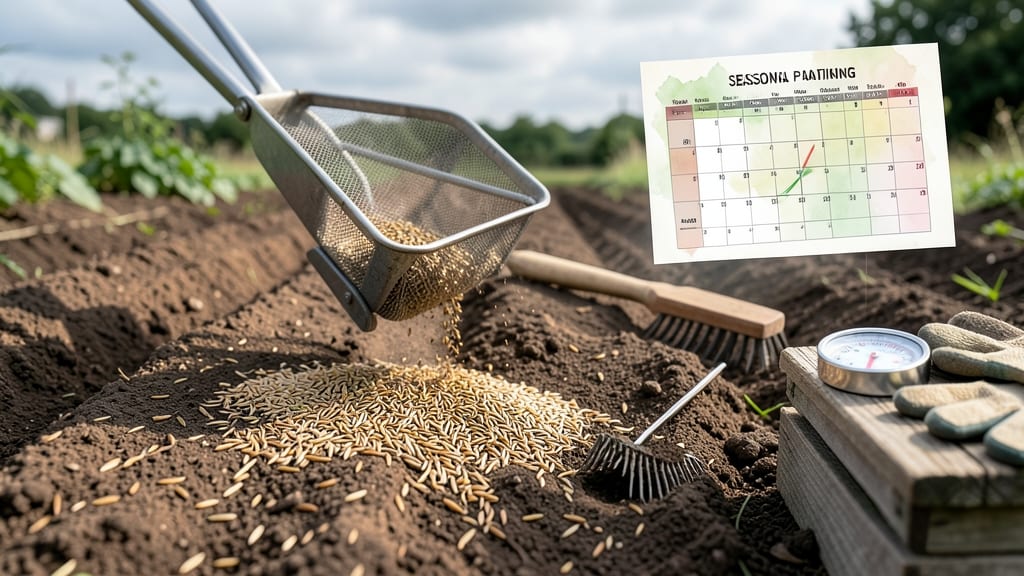
Timing your grass seed planting in Pennsylvania can make the difference between a lush, green lawn and a patchy, struggling yard. With USDA zones 5b-7a bringing unpredictable frost dates and shifting soil temperatures, getting it right is everything.
Most gardeners assume spring is the only window, but fall actually offers cooler temps and fewer weeds for stronger root growth. I’ll break down the exact deadlines for both seasons—plus how to adjust for Pittsburgh’s chilly springs or Philadelphia’s humid summers—so you can plant with confidence.
You’ll also discover the 5 critical factors that override traditional planting dates, like soil temperature and moisture levels. Avoid common mistakes that waste seed and learn how to prep your yard for maximum success.
Whether you’re seeding a new lawn or repairing thin patches, this guide ensures your 🌱 grass thrives year-round—no matter when you plant. Let’s get started.
Pennsylvania’s ideal grass seed planting windows: spring vs fall deadlines by region
Pennsylvania’s cool-season grasses like Kentucky bluegrass and fescue thrive when planted during two key windows: early spring and early fall. These periods offer ideal soil temperatures (50–65°F) and consistent moisture—critical for seed germination.
Missing these windows risks frost damage or summer heat stress, which can kill young seedlings before they establish.
For most of Pennsylvania (USDA zones 5b–7a), the best planting months are March–April for spring and September–October for fall. However, microclimates in cities like Pittsburgh or Philadelphia may shift these deadlines by 2–3 weeks. Rural areas with cooler nights often have longer fall windows than urban heat islands.
Let’s break down the hard deadlines for each region, including how to adjust for late frosts or early heatwaves. Use these timelines to avoid the #1 mistake: planting when soil is still too cold or too hot for germination.
Spring planting in Pennsylvania should start 4–6 weeks after the last frost date. For most areas, this lands in mid-to-late March, but Philadelphia’s urban heat can push this back to early April.
Use a soil thermometer to confirm temperatures are above 50°F—any colder, and seeds risk rotting instead of sprouting.
Fall is often the preferred window because cooler air reduces weed competition and disease pressure. Aim to plant 6–8 weeks before the first frost, which typically falls around mid-October.
In Pittsburgh’s cooler climate, you might extend this to early November, but avoid planting after October 20 in southern PA to prevent winter kill.
Pro tip: If you miss the fall window, late August is a second-chance month for cool-season grasses. Just water deeply and mulch to protect seedlings from late-summer heatwaves. This strategy works best in shaded lawns or rural areas with better moisture retention.
For warm-season grasses like Bermuda or Zoysia (less common in PA but used in southern counties), shift your timeline to late spring (May–June) when soil temps hit 65–75°F. These grasses won’t survive winter, so they’re only viable if you’re okay with a brown lawn in fall/winter.
Regardless of the season, prep your soil 2–4 weeks before planting. This means aerating compacted soil, removing weeds, and adding compost to improve drainage. Skipping this step leads to poor seed-to-soil contact, which is why 50% of DIY lawns fail in their first year.
🌱
5 Critical factors that determine success (beyond just the calendar)
While spring (March–May) and fall (September–October) are Pennsylvania’s prime windows for planting grass seed, success depends on more than just the calendar. The soil temperature, moisture balance, and even your seed variety can override traditional deadlines—especially in PA’s USDA zones 5b–7a.
For example, planting tall fescue in Pittsburgh’s cooler microclimate might thrive in late April, while Kentucky bluegrass in Philadelphia’s heat could struggle if sown after mid-May. Let’s break down the 5 non-negotiable factors that turn good timing into a guaranteed lush lawn.
| Factor | Ideal Condition | PA-Specific Tip |
|---|---|---|
| Soil Temperature | 50–65°F (10–18°C) | Use a soil thermometer—wait until temps stay above 55°F for 3+ days. |
| Moisture Level | Consistently damp (1 inch/week) | Fall planting benefits from natural rainfall; spring may need drip irrigation. |
| Weed Competition | <5% weed cover | Pre-treat with corn gluten meal to suppress weeds before seeding. |
| Seed Variety | Cool-season grasses (bluegrass, fescue, ryegrass) | Tall fescue tolerates heat better than Kentucky bluegrass for late spring plantings. |
| Light Availability | 6+ hours full sun/day | Shady areas (e.g., Poconos) need shade-tolerant fescue mixes. |
Pro tip: Test your soil’s readiness with the finger check. Push your finger 2–3 inches deep—if the soil crumbles easily, it’s ready. If it feels hard or sticky, wait 1–2 weeks or amend with compost.
Another often-overlooked factor is deer and bird activity, which spikes in early spring. Protect new seed with wire mesh or a light mulch layer until germination (about 14–21 days).
Finally, avoid planting during heatwaves (above 85°F) or droughts, even in fall. Pennsylvania’s September–October window works best when daytime highs stay below 75°F—check your local Almanac frost dates for precision.
By mastering these 5 factors, you’ll outsmart PA’s climate and grow grass that’s dense, drought-resistant, and green year-round—not just for one season. 🌱