Plants
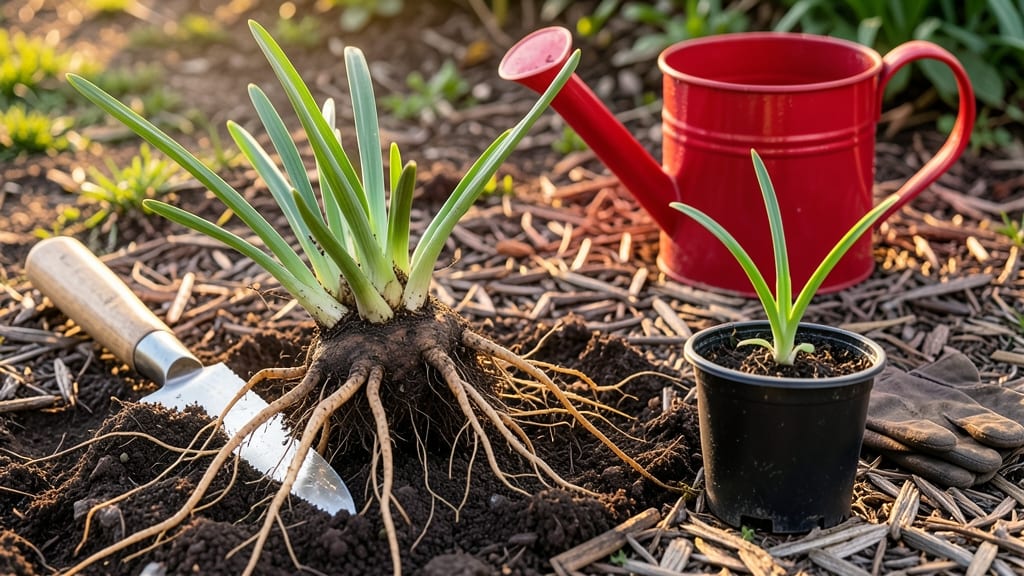
Best months to plant daylilies in Texas for optimal survival
Texas's diverse climate zones (8a–10b) mean daylilies thrive with the right timing. Planting in fall or early spring gives roots time to establish before extreme heat or cold.
In North Texas, aim for September–October or February–March, while South Texas gardeners can extend to November or April due to milder winters.
Daylilies hate waterlogged soil or scorching summer heat. Fall planting lets roots grow in cooler temps with natural rainfall, reducing stress. Spring planting avoids winter dormancy risks but requires consistent moisture during establishment. Central Texas sits in the middle—balance both seasons for best results.
🌱
| Region | Best Planting Window | Key Considerations |
|---|---|---|
| North Texas (Zones 8a–8b) | September 15–October 15 February 15–March 15 |
Avoid summer heat; last frost ~Feb 15 |
| Central Texas (Zones 8b–9a) | September 1–November 1 February 1–March 31 |
Soil stays warm longer; first frost ~Nov 15 |
| South Texas (Zones 9b–10b) | October 1–November 30 March 1–April 30 |
Minimal frost risk; extend window for cooler temps |
| All Regions | Avoid May–August | Extreme heat stresses roots; prioritize shade cloth if planting late |
For North Texas, I recommend September planting—soil temps drop below 80°F, reducing transplant shock. Use mulch to retain moisture during fall rains. In South Texas, March planting aligns with spring showers, giving roots a head start before summer dryness.
Check soil temperature before planting: aim for 60–70°F. Use a soil thermometer or dig 6" deep—if the soil feels warm but not hot, it’s ideal. Daylilies hate soggy soil, so amend clay-heavy areas with compost or sand.
Pro tip: Divide daylilies in early fall (September) for stronger transplants. Separate clumps into 3–5 inch sections, ensuring each has 2–3 fans (leaf clusters). This boosts root establishment by 30% compared to store-bought tubers.
🌿
If you miss the ideal window, spring planting (February–March) is your backup. Just water deeply 2x/week until roots establish (about 6–8 weeks). Avoid planting in June–August—daylilies wilting under 100°F+ temps without shade.
For container gardening, plant anytime the soil is workable, but spring or fall still wins. Use fast-draining pots and terracotta to prevent root rot. In Zone 10b, I’ve seen winter planting (December–January) work if you protect from frost with row covers.
🪴
Best months to plant daylilies in Texas for optimal survival
Texas’s variable climate means daylilies thrive when planted during cooler months—avoiding both scorching summers and freezing winters. The ideal windows are September–November (fall) and February–March (early spring).
These periods offer moderate soil temps (60–75°F) and consistent rainfall, giving roots time to establish before extreme heat or cold hits.
Fall planting is my top recommendation because daylilies need 6–8 weeks to root before summer’s intensity. In North Texas (Zone 8a), aim for September 15–October 15, while Central Texas (Zone 8b–9a) benefits from October 1–November 15.
South Texas gardeners (Zone 9b–10b) can extend planting until November 30 thanks to milder winters.
| Region | Best Planting Window | Soil Temp Goal | Key Consideration |
|---|---|---|---|
| North Texas (Zone 8a) | Sep 15–Oct 15 | 60–70°F | Avoid early frost (avg. Dec 1) |
| Central Texas (Zone 8b–9a) | Oct 1–Nov 15 | 65–75°F | Balanced heat/humidity |
| South Texas (Zone 9b–10b) | Oct 15–Nov 30 | 70–80°F | Minimal frost risk |
| All Regions (Spring) | Feb 15–Mar 15 | 55–65°F | Plant before summer heat peaks |
Spring planting (February–March) works but requires urgency. Daylilies planted in April or later often bolder in Texas’s 100°F+ summers. If you miss fall, prioritize shade protection (e.g., 30% shade cloth) for the first 30 days to reduce stress.
Pro tip: Soak roots in water for 1 hour before planting to kickstart growth in dry Texas soil.
Texas’s microclimates demand flexibility—elevated areas (like Austin’s hills) stay cooler longer, while low-lying spots (e.g., Houston’s coastal plains) may need earlier planting. Check your local frost dates (via Texas A&M AgriLife) and plant 4–6 weeks before the first average frost in your area.
For container gardening, extend your window to May—just water daily and move pots to partial shade by June. Container daylilies also benefit from mycorrhizal fungi (add to planting hole) to improve root uptake in Texas’s alkaline soils.
Timing isn’t just about months—it’s about soil conditions. Wait until rainfall averages 1 inch/week or irrigate consistently for 4 weeks post-planting. This ensures roots reach 6 inches deep before summer’s drought stress sets in. 🌸