
Plants
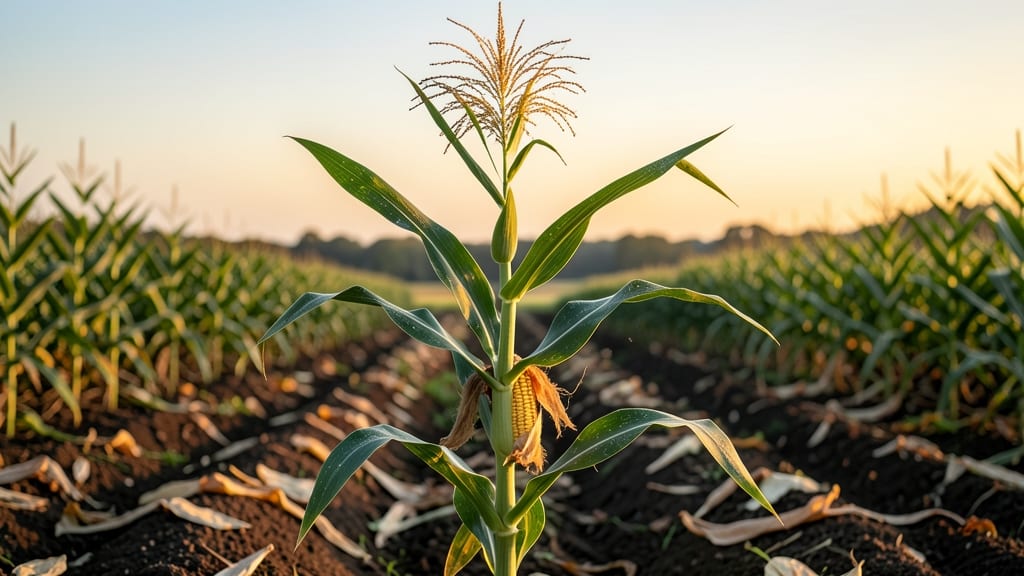
If you've ever stared at your garden and wondered how tall does a corn plant grow, you're not alone—those towering stalks of 🌽 can feel like nature's skyscrapers!
The truth is, corn height varies wildly depending on the variety, and getting it right means better yields, smarter space planning, and even happier pollination.
Some corn varieties barely reach your knees, while others stretch taller than a basketball hoop—up to 10 feet in ideal conditions. But here's the game-changer: knowing your variety's growth potential lets you optimize your garden layout and avoid crowded stalks that struggle to thrive.
In this guide, I’ll break down the height ranges for popular corn types, from dwarf varieties perfect for small spaces to the towering giants that need room to shine.
You’ll also discover how sunlight, soil, and spacing influence growth—and what to do if your corn starts reaching for the sky (or staying stubbornly short).
Ready to turn your corn patch into a productivity powerhouse? Let’s dive into the numbers and tips that’ll help you grow corn like a pro—no guesswork required.

Corn plant height by variety: a complete growth chart comparison
Corn plants are famous for their impressive height, but not all varieties reach the same towering heights. Some varieties stay knee-high, while others can grow taller than a standard door frame (6.5-8 ft).
Understanding these differences helps you plan your garden layout, choose the right variety, and even predict harvest success based on space and sunlight availability.
If you’re growing corn in a small garden, dwarf varieties are a game-changer, while traditional sweet corn can easily reach 10 feet tall. The height of your corn plants also affects pollination efficiency—taller plants may need more space between rows to ensure proper cross-pollination.
Let’s break down the height ranges for popular corn varieties so you can pick the perfect fit for your garden.
🌽 Visual Height Guide: Imagine a 5-foot-tall adult standing next to a corn plant. Standard sweet corn will often surpass their height, while dwarf varieties might only reach their waist. This visual can help you gauge spacing needs before planting.
| Variety Type | Average Mature Height | Growth Habit | Best For |
|---|---|---|---|
| Sweet Corn (Standard) | 8-10 ft | Tall, upright | Large gardens, high yields |
| Sweet Corn (Semi-Dwarf) | 5-7 ft | Medium, sturdy | Small gardens, containers |
| Dwarf Sweet Corn | 3-5 ft | Compact, bushy | Urban gardens, small spaces |
| Field Corn | 10-14 ft | Very tall, sturdy stalks | Large farms, livestock feed |
| Popcorn | 6-10 ft | Tall, upright | Home gardens, snacks |
For example, if you’re growing ‘Golden Bantam’—a popular dwarf sweet corn—you can expect plants to max out around 4 feet tall, making them perfect for container gardening or small backyard plots.
On the other hand, ‘Country Gentleman’, a classic sweet corn variety, can shoot up to 10 feet, requiring ample space and sturdy staking support if needed.
Field corn, often used for livestock feed, is the tallest variety, frequently reaching 12-14 feet. This height isn’t just for show—it allows for better wind pollination and larger ear production.
If you’re growing field corn in your garden, plan for wide row spacing (36+ inches) to accommodate their impressive stature.
Popcorn varieties typically fall in the 6-10 ft range, similar to sweet corn but often slightly shorter. Varieties like ‘Tom Thumb’ popcorn stay compact (4-5 ft), while ‘Stowell’s Evergreen’ can reach 8-10 ft.
Choosing a shorter popcorn variety lets you grow them in smaller gardens or even large pots.
Pro tip: If you’re planting multiple corn varieties, group tall and short plants separately to avoid shading issues. Tall corn can cast long shadows, stunting the growth of shorter varieties planted nearby. This simple spacing trick ensures all your corn gets the sunlight it needs to thrive.
🌱 Whether you’re a city gardener with limited space or a farm enthusiast with acres to fill, selecting the right corn height variety ensures a successful harvest without sacrificing garden real estate.
Factors that influence how tall corn grows (and how to control it)
Corn plants can reach 6 to 10 feet tall, but their final height depends on several key factors you can control. The most critical elements are sunlight exposure, soil nutrients, and watering consistency.
For example, a field corn variety left unchecked might shoot up to 12 feet, while a dwarf sweet corn stays under 3 feet. Understanding these variables helps you plan your garden layout and adjust care routines for optimal results.
Sunlight plays a massive role in corn height. These plants thrive in full sun conditions (6-8+ hours daily), but even slight shade can stunt growth. If your corn starts leaning or growing unevenly, it’s likely reaching for more light.
I’ve seen tassels emerge earlier in sunny spots, which directly correlates with taller, stronger stalks. Without enough light, you might end up with short, spindly plants that struggle to support heavy ears.
Soil nutrients—especially nitrogen—fuel rapid vertical growth. A nitrogen-rich fertilizer (like 10-10-10) applied every 4-6 weeks can push corn to its full height potential. However, too much nitrogen can make stalks top-heavy and prone to lodging (falling over).
I recommend side-dressing with compost or a balanced fertilizer when plants reach knee-high to support steady growth without overfeeding.
Watering habits also impact height. Corn needs 1-2 inches of water weekly, especially during tasseling and ear development. Inconsistent watering can cause stunted growth or uneven heights between plants. I water mine deeply in the morning to prevent fungal issues while ensuring roots stay hydrated for upward growth.
Drought stress during critical stages can permanently limit a plant’s height, so mulching around the base helps retain moisture.
Spacing is another often-overlooked factor. Crowded corn plants compete for nutrients and light, leading to shorter, weaker stalks. The standard spacing of 4-6 inches apart in rows 30-36 inches wide gives each plant room to grow tall and strong.
If you’re growing tall varieties like field corn, consider wider rows (up to 40 inches) to prevent shading and lodging risks.
To control corn height in small gardens, choose dwarf or semi-dwarf varieties (like 'Sweet Baby' or 'Golden Bantam'), which max out at 3-5 feet. For taller varieties, stake individual stalks or use trellising techniques to support their weight.
I’ve had success with bamboo stakes tied loosely to the main stalk, allowing natural growth while preventing lodging.
Monitor your corn’s growth stages to predict final height. By counting leaf collars (the bumps where leaves attach), you can estimate mature height—each leaf typically adds 1 foot of growth. For example, a plant with 12 leaves will likely reach 12 feet if conditions are ideal.
Adjust care routines based on these observations to guide your corn toward your desired height goals.