How To
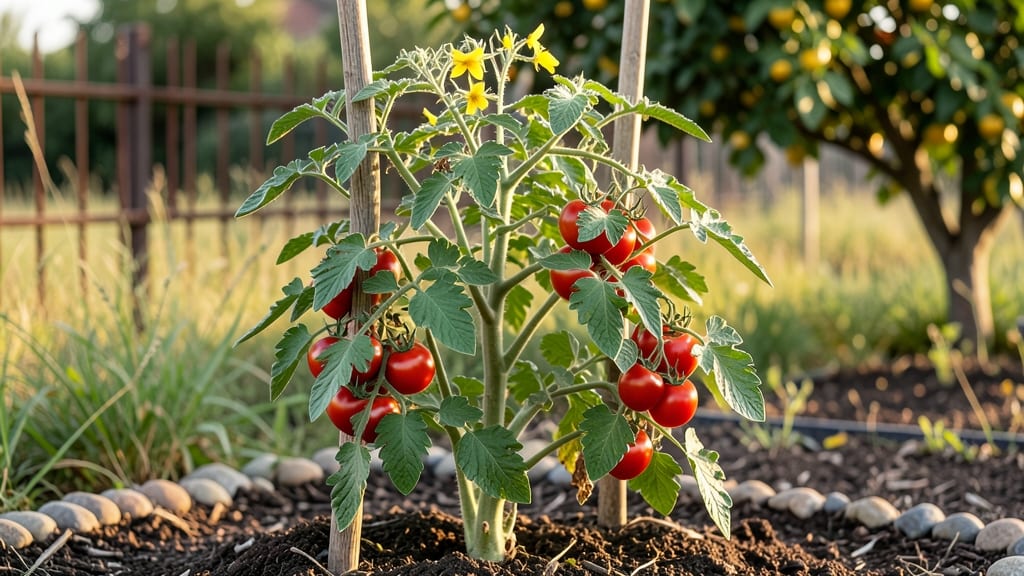
If you’ve ever wondered how tall will a tomato plant grow in your backyard, the answer might surprise you—especially when comparing those bushy patio varieties to towering vine monsters that need a ladder to harvest!
Tomatoes aren’t one-size-fits-all: some stay compact at just 2 feet, while others stretch toward the sky like 10-foot jungle gyms. The difference? Variety, care, and a little strategic pruning.
Whether you’re working with USDA Zone 6a conditions or a sunny balcony, knowing these heights helps you plan spacing, support, and even your harvest strategy.
Curious which types stay short and which need trellises? I’ll break down the most popular varieties—from tiny ‘Tiny Tim’ to sprawling ‘Brandywine’—plus the 3 key factors that can make even a dwarf plant reach for the clouds (or keep it neatly contained).
Let’s dive into the heights, tricks for managing growth, and how to turn your tomato patch into a productive (and space-smart) garden—no guesswork required!

Tomato plant height ranges by variety: dwarf to vining giants
If you're planning your garden layout, knowing how tall your tomato plants will grow is essential for spacing and support. Tomato varieties fall into two main categories: determinate (bush-type) and indeterminate (vining-type), each with distinct height ranges.
Determinate varieties typically grow 3 to 6 feet tall, while indeterminate types can reach 6 to 10+ feet if left unchecked. Your choice of variety will directly impact your garden’s vertical space needs.
Dwarf tomato varieties, like 'Tiny Tim' or 'Patio Princess', stay compact at 1 to 3 feet, making them perfect for containers or small spaces. On the other end of the spectrum, heirloom varieties like 'Brandywine' or 'Cherokee Purple' can grow 8 to 12 feet tall if trained properly.
Even within these categories, there’s a wide range—so let’s break it down by variety type to help you visualize and plan.
| Variety Type | Height Range | Popular Varieties | Spacing Needs |
|---|---|---|---|
| Dwarf | 1–3 ft | Tiny Tim, Patio Princess | 12–18 in apart |
| Semi-Dwarf | 3–5 ft | Bush Early Girl, Roma | 24–30 in apart |
| Determinate | 4–6 ft | Celebrity, Better Boy | 30–36 in apart |
| Indeterminate | 6–10+ ft | Sungold, Brandywine | 36–48 in apart |
For determinate varieties, the height is predictable because they grow in a bush shape and stop once they start fruiting.
This makes them ideal for gardeners who prefer low-maintenance plants. Indeterminate varieties, however, keep growing and producing fruit throughout the season, often requiring stakes, trellises, or cages to support their weight.
If you’re short on space, consider dwarf or semi-dwarf varieties like 'Sungold' (a compact indeterminate) or 'Roma' (a determinate workhorse).
Spacing is just as critical as height. Determinate plants need 2 to 3 feet of space between them, while indeterminate varieties may require 3 to 4 feet to allow for proper air circulation and support.
Crowding can lead to disease risks and reduced yields, so plan accordingly. If you’re growing in containers, prioritize dwarf or semi-dwarf varieties—they’ll thrive in 5-gallon pots with proper support.
One of my favorite space-saving tricks is growing indeterminate varieties vertically using A-frame trellises or tomato towers. This not only saves space but also makes harvesting easier.
For example, 'Sungold' cherry tomatoes can climb 8 to 10 feet on a trellis, producing a bounty of sweet fruit without taking up ground space. Just ensure your support structure is sturdy—a 6-foot indeterminate plant can weigh 20+ pounds when laden with fruit!
If you’re new to tomato gardening, start with determinate varieties like 'Celebrity' or 'Early Girl'—they’re forgiving and produce a single harvest before stopping growth. For experienced gardeners, indeterminate varieties like 'Brandywine' or 'Black Krim' offer a longer harvest season but require more attention to pruning and support.
Whichever you choose, always check the seed packet or plant tag for specific height and spacing recommendations.
Remember, soil quality, sunlight, and watering also play a role in how tall your plants grow. Healthy soil with compost and balanced fertilizer encourages strong stems, while consistent moisture prevents stress that can stunt growth.
In my garden, I’ve seen indeterminate plants grow 20% taller in well-amended soil compared to average garden beds. The difference is night and day!
For container gardeners, dwarf varieties are a must. 'Tiny Tim' is a fan favorite—it stays under 2 feet tall and produces plenty of fruit in a 5-gallon bucket. Just ensure your container has drainage holes and is at least 12 inches deep to accommodate roots.
If you’re growing larger varieties in pots, opt for fabric grow bags or large containers to prevent root binding.
Lastly, don’t forget about climate. In cooler regions, indeterminate varieties may grow shorter due to shorter growing seasons, while in warm climates, they can bolt to 10+ feet if given ideal conditions.
Always adjust your expectations based on your USDA hardiness zone and local growing season. With the right variety and care, you’ll have a thriving tomato garden that fits your space perfectly!
How to control tomato plant height: pruning, training, and support
Managing your tomato plant height isn’t just about aesthetics—it’s about maximizing yield, airflow, and disease prevention. Whether you’re dealing with a 6-foot indeterminate vine or a 2-foot dwarf variety, the right techniques will keep your plants healthy and productive.
Let’s dive into the best methods to guide their growth, whether you want them compact or towering.
For indeterminate varieties like Brandywine or Sungold, pruning is your best friend. These plants grow continuously and can reach 10+ feet if left unchecked. By removing suckers (the shoots that form in the leaf axils), you encourage stronger stems and better fruit production.
Aim to prune once a week during the growing season to keep the plant focused on upward growth rather than sprawling.
If vertical growth is your goal, trellises or cages are game-changers. A 6-foot trellis works perfectly for indeterminate varieties, allowing you to train vines upward while saving space. For determinate varieties like Roma or Celebrity, a 3-foot cage is ideal—they naturally grow bushier and don’t need as much support.
Just be sure to secure the plant early to avoid wind damage or stem breakage.
For container gardening, choose compact varieties like Tiny Tim or Patio Princess, which max out at 2-3 feet. Even then, a small stake or spiral tie can help support the plant as it bears fruit.
The key is to water consistently and fertilize lightly to prevent leggy growth, which can make containers top-heavy and unstable.
One common mistake? Over-pruning can stress the plant and reduce fruit set. For indeterminate varieties, leave 1-2 main stems and prune aggressively only if you see signs of disease or pest pressure.
For determinate types, minimal pruning is best—they’re bred to produce fruit without much intervention. Always prioritize air circulation to keep foliage dry and fungal issues at bay.
Finally, harvest regularly to encourage more growth. When you pick ripe tomatoes, the plant redirects its energy to producing new flowers and fruit, keeping the cycle going. This is especially true for indeterminate varieties, which can keep producing all season if given the right care.
With these techniques, you’ll have a healthy, productive tomato plant—no matter how tall (or short) you want it to be! 🌿