How To
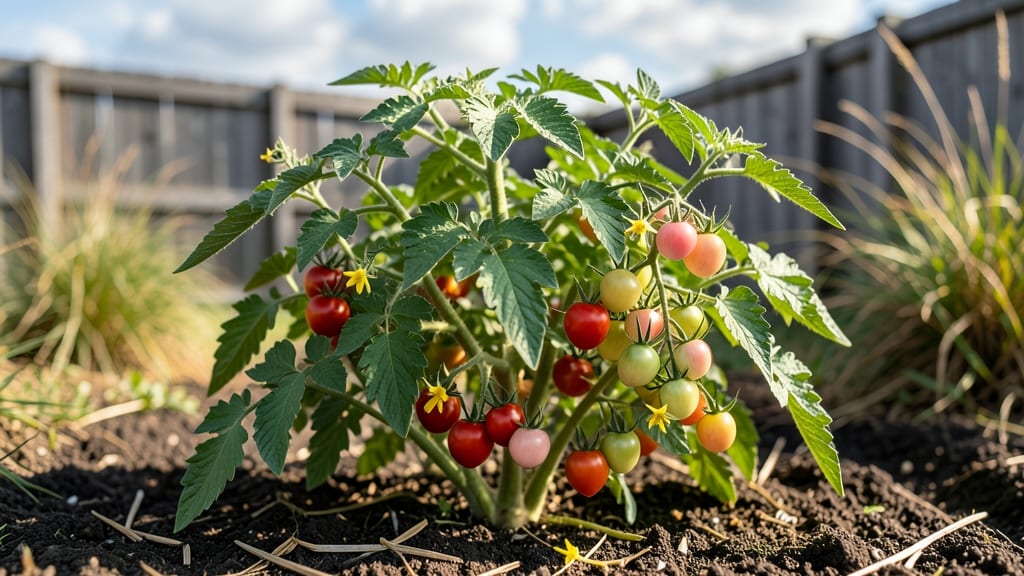
If you're wondering how tall cherry tomato plants grow, the answer depends entirely on the variety you choose - and trust me, picking the right one can make all the difference in your garden's success.
These 🍅 plants range from compact bush varieties that stay under 2 feet to sprawling vines that reach ceiling heights in your greenhouse.
The key to managing their height starts with understanding whether you're dealing with determinate (bush) or indeterminate (vining) types. Determinate varieties like 'Tiny Tim' stay manageable at 1-2 feet, while popular indeterminate favorites like 'Sweet 100' can climb to 6 feet or more without proper support.
For gardeners in USDA Zone 6a planting in April-May, knowing these height differences helps you plan your space and support structures. Whether you're working with containers or in-ground beds, the right variety and training methods can transform your harvest potential.
Let me show you exactly how to choose varieties that fit your space, when to install supports, and which pruning techniques will keep your plants productive - no matter how tall they grow. Your cherry tomato dreams are about to get a whole lot more realistic!

Cherry tomato plant height guide: determinate vs indeterminate varieties explained
Understanding whether your cherry tomato plants will grow as compact bushes or sprawling vines is key to planning your garden layout. The height difference between determinate and indeterminate varieties can be dramatic—sometimes 3 feet or more—and directly impacts your spacing, support needs, and overall yield.
Let’s break down these two growth types so you can choose the perfect fit for your space.
Determinate cherry tomato plants are the bush-type varieties that grow to a predictable height of 2-4 feet. They produce fruit all at once, making them ideal for heavy harvests in a short window.
These plants stop growing once they start fruiting, which is why they’re often called bush tomatoes. If you’re working with small gardens, containers, or limited vertical space, determinate varieties are your best bet.
On the other hand, indeterminate cherry tomatoes are the vining giants of the tomato world, often reaching 6 feet or taller with proper support. They don’t have a set height limit and continue growing and producing fruit until frost.
This means a longer harvest season but requires more space and structural support. If you have vertical space to spare or want a continuous supply of tomatoes, indeterminate varieties are worth the extra effort.
| Variety Type | Height Range | Growth Habit | Fruiting Pattern | Space Needs |
|---|---|---|---|---|
| Determinate | 2-4 ft | Bushy, compact | All at once (heavy harvest) | 18-24 inches apart |
| Indeterminate | 6-10+ ft (with support) | Vining, sprawling | Continuous (until frost) | 24-36 inches apart (or vertical) |
One of the biggest misconceptions about cherry tomato height is assuming all varieties grow the same way. For example, the popular 'Sweet 100' is an indeterminate variety that can climb to 8 feet or more if left unchecked, while 'Tiny Tim' stays under 2 feet tall.
Always check the seed packet or plant tag to confirm the growth habit before planting. This small step can save you from overcrowding or underutilized space.
If you’re growing determinate cherry tomatoes, you’ll notice they reach maturity faster—typically in 50-60 days—and produce a heavy crop all at once. This makes them perfect for canning, sauces, or preserving.
Indeterminate varieties, however, take longer to mature (60-75 days) but reward you with fruit for weeks or months. If you love fresh tomatoes straight from the vine all summer, indeterminate types are the way to go.
Another factor influencing cherry tomato plant height is your pruning and training habits. Even indeterminate varieties can be controlled to stay shorter with regular pruning, while determinate plants may benefit from light pruning to improve airflow and reduce disease risk.
For example, pinching off suckers (side shoots) can keep indeterminate plants 3-4 feet shorter than their full potential. This technique is especially useful for container gardening or small spaces.
When planning your garden, consider the maturity date alongside height. Early-season varieties, like 'Balcony Red' (determinate, 2-3 ft), are great for cooler climates or short growing seasons. Late-season varieties, like 'Sun Gold' (indeterminate, 6-10 ft), thrive in longer summers and produce fruit well into fall.
Matching your local frost dates with the right variety ensures you maximize both height and harvest potential.
For urban gardeners or balcony growers, indeterminate cherry tomatoes can be a game-changer when grown vertically. Using trellises, stakes, or hanging baskets, you can train vines to grow up to 10 feet tall without taking up valuable floor space.
Just be prepared to prune regularly and provide consistent support as the plant grows. The payoff? A high-yielding, space-efficient tomato plant that produces fruit until the first frost.
If you’re still unsure which type to choose, start with a mix of both. Plant a few determinate varieties for early harvests and indeterminate types for a prolonged season.
This way, you’ll enjoy tomatoes from summer through fall without worrying about space constraints. Just remember: indeterminate plants need more attention, while determinate plants offer simplicity and predictability.
No matter which type you choose, proper spacing is critical to prevent disease and maximize yield. Determinate plants need 18-24 inches apart, while indeterminate varieties should have 24-36 inches of space or be trained vertically.
Overcrowding leads to poor airflow, fungal issues, and smaller fruit, so plan accordingly. Your future self (and your tomato plants) will thank you!
When and how to provide support for tall cherry tomato plants
Cherry tomato plants, especially indeterminate varieties, can grow tall and sprawling without proper support, leading to tangled vines and poor airflow. Providing early support—within 2-3 weeks of transplanting—helps guide their growth vertically, maximizing your small garden space while improving fruit production and reducing disease risk.
Most tall cherry tomato varieties (like Sweet 100 or Sun Gold) need stakes, cages, or trellises to reach their full height of 6 feet or more. Without support, these plants can flop over, smothering lower leaves and making harvesting difficult.
I’ve found that installing support early saves time and effort later in the season.
- 📏 Measure your plant’s current height (aim for 2-3 feet before adding support).
- 🪴 Choose the right support:
- Cages: Best for determinate varieties (3-4 ft tall).
- Stakes: Ideal for indeterminate vines (6+ ft). Use bamboo or metal stakes (5-6 ft tall).
- Trellises: Great for vertical gardening in small spaces.
- ✂️ Prune suckers (side shoots) regularly to reduce weight and encourage upward growth.
- 💧 Water deeply after installing support to help roots anchor the plant.
- 🌿 Weave vines gently through cages or tie them to stakes with soft plant ties (avoid wire or tight knots).
For container gardening, opt for compact cages (3-4 ft tall) or DIY trellises made from pvc pipes or wooden dowels. I’ve successfully grown Balcony Red cherry tomatoes in 5-gallon buckets with a mini trellis, saving space on my patio.
Just ensure your container has drainage holes and sturdy sides to support the plant’s weight.
Pruning isn’t just about support—it’s also about airflow. By removing lower leaves that touch the soil, you reduce humidity near the base, which cuts down on fungal diseases like blight.
Aim to prune weekly during the growing season to keep your plant healthy and productive. A well-pruned plant can yield 20-30% more fruit than an unpruned one!
If you’re growing cherry tomatoes in a greenhouse or high-tunnel, consider overhead trellising to double your vertical space. This method works wonders for indeterminate varieties, allowing vines to climb 8-10 feet if given the right support. Just
Pro tip: Mulch around the base of your supported plant to retain moisture and suppress weeds. I use straw or shredded leaves, which also insulate roots during temperature swings. This small step can extend your harvest season by keeping the soil consistently moist and cool. 🌱