How To
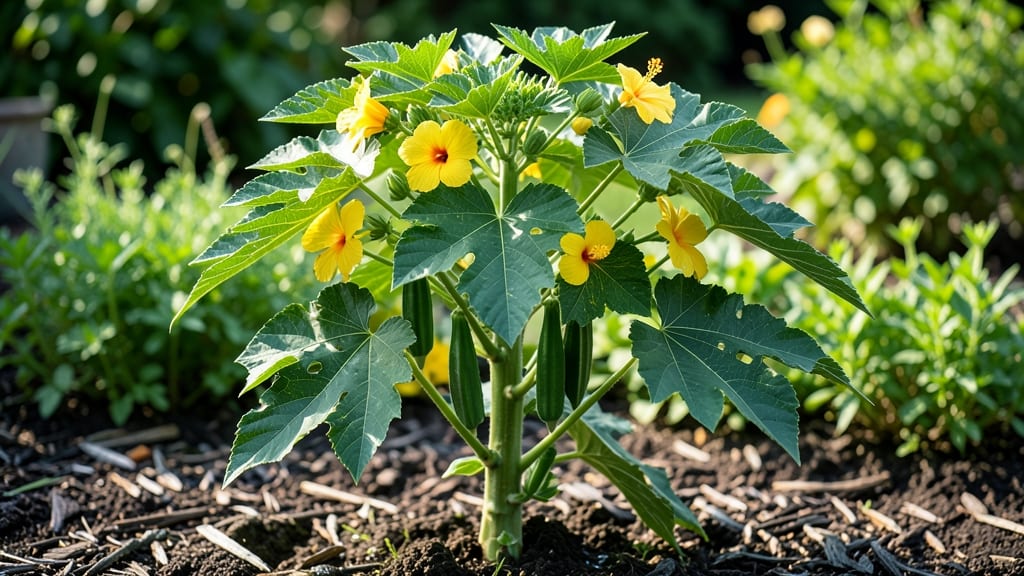
If you're wondering how tall okra plants grow, the answer might surprise you—these 🌱 summer staples can range from compact 2-foot varieties to towering giants that reach 10 feet or more!
Whether you're planning a small container garden or a sprawling backyard plot, understanding your okra's potential height helps you space plants, support their growth, and maximize your harvest.
The key to controlling okra height lies in the variety you choose. Dwarf types like 'Burgundy' stay manageable at just 3-4 feet, making them perfect for balconies or small spaces, while classic varieties like 'Clemson Spineless' can stretch up to 6 feet.
For those with big gardens, giant types like 'Emerald Pod' might shoot up to 10 feet, but they’ll need sturdy support to avoid flopping over.
Beyond variety, factors like sunlight, soil quality, and pruning play a huge role in how tall your okra grows. In USDA Zone 6, where summer days are long and hot, okra thrives with full sun and rich soil—but even the right conditions can lead to unexpected growth spurts.
I’ll show you how to manage height naturally, whether you want to keep your plants compact or let them reach their full potential.
Ready to plan your garden? By the end of this guide, you’ll know exactly which varieties fit your space, how to support tall okra without sacrificing pods, and even how to prune for better airflow and productivity. Let’s get growing!

Okra plant height by variety: dwarf vs. standard vs. giant types
Okra plants can range from compact dwarf varieties perfect for containers to towering giants that reach basketball hoop heights. The variety you choose determines not just height but also pod production and garden space requirements.
Whether you have a small balcony or a sprawling backyard, there's an okra type that fits your space.
Most gardeners assume okra is always tall, but dwarf varieties exist that stay under 3 feet. These are ideal for container gardening or urban spaces where vertical growth isn't practical.
Meanwhile, standard varieties (4-6 feet) are the most common and versatile for home gardens, while giant types can exceed 8 feet in optimal conditions.
Here's how different okra varieties compare in height and growth characteristics:
| Variety | Mature Height | Pod Length | Growth Habit | Best For |
|---|---|---|---|---|
| Dwarf Varieties (e.g., 'Burgundy', 'Little Lady') | 2-4 ft | 2-4 inches | Bushy, compact | Containers, small spaces |
| Semi-Dwarf (e.g., 'Cajun Delight') | 4-6 ft | 3-5 inches | Medium height, bushy | Raised beds, small gardens |
| Standard (e.g., 'Clemson Spineless') | 6-8 ft | 4-6 inches | Tall, upright | Large gardens, trellising |
| Giant (e.g., 'Emerald Pod') | 8-10 ft | 5-7 inches | Very tall, sturdy | Large spaces, trellises |
The Clemson Spineless variety is one of the most popular among gardeners because it grows to 6-8 feet tall while producing thick, spineless pods that are easier to handle. This makes it ideal for both fresh eating and long-term storage.
Meanwhile, 'Emerald Pod' can reach 10 feet in perfect conditions, making it perfect for gardeners who want to make a statement with their plants.
If you're growing okra in containers or small spaces, look for dwarf varieties like 'Little Lady' or 'Burgundy'. These stay under 3 feet tall and produce plenty of pods despite their small size.
The trade-off is slightly smaller pods, but they're still delicious and perfect for salads or stir-fries.
For trellising or vertical gardening, taller varieties like 'Cajun Delight' or 'Emerald Pod' shine. These can be trained to grow upward, saving valuable garden space while producing longer pods. Just be prepared to provide support structures to prevent them from toppling over in wind or heavy rain.
One surprising factor many gardeners overlook is that pod length correlates with plant height. Taller okra plants tend to produce longer pods, while dwarf varieties have shorter pods.
If you're growing okra for gumbo or stews, taller varieties with longer pods will give you more yield per plant.
My personal experience with okra height surprised me when I planted 'Clemson Spineless' in my backyard last summer. I expected it to reach 6 feet, but with rich compost and consistent watering, it grew to nearly 8 feet tall.
The pods were exceptionally long—some reaching 6 inches—making them perfect for okra fritters.
For container gardening, I recommend starting with dwarf varieties in 5-gallon pots. These can produce 20-30 pods per plant without taking up much space. Just ensure the container has drainage holes and you're using well-draining potting mix to prevent root rot.
If you're planning your garden layout, remember that okra needs space to breathe. Standard varieties should be planted 18-24 inches apart in rows that are 3 feet apart.
For dwarf varieties, 12 inches between plants is sufficient, while giant types may need up to 3 feet of spacing to support their height.
Factors that influence okra plant height: sunlight, soil, and pruning tips
Okra's height isn't just about genetics—your growing conditions play a huge role. I've found that sunlight exposure is the #1 factor. Okra plants need 6-8 hours of full sun daily to reach their maximum height.
Without enough light, they'll stay stunted, often growing only 3-4 feet tall instead of their potential 6-10 feet.
Another critical factor is soil quality and nutrients. Well-draining soil rich in organic matter helps okra grow taller and stronger. I always amend my garden beds with compost and aged manure before planting.
Poor soil can limit height growth by up to 30%, leaving you with shorter, less productive plants.
Here's how different conditions affect okra height:
Maximizes height potential (6-10 ft). Plants grow 20-30% taller with optimal sunlight.
Supports vigorous growth. Plants reach full mature height faster with proper nutrients.
Encourages bushier growth. Can reduce height by 1-2 feet while increasing pod production.
Limits height to 3-5 feet. Pods may be smaller and less tender.
Restricts root growth, capping height at 4-6 feet even with standard varieties.
Competes for nutrients, reducing height by up to 50% in severe cases.
Pruning is another tool I use to control height. For taller varieties like Clemson Spineless, I prune the main stem at 4-5 feet to encourage side branches. This keeps the plant from becoming top-heavy while increasing harvestable pods. For dwarf varieties, minimal pruning is needed—they naturally stay compact.
Container gardening presents unique challenges for height control. I've grown Emerald Pod okra in 5-gallon pots and found that root-bound conditions limit height to 3-4 feet. To maximize growth in containers, use larger pots (10+ gallons) and fertilize regularly with a balanced 10-10-10 mix.
Remember, okra's height affects more than just aesthetics—it impacts harvest yield and pod quality. Taller plants produce more pods, but only if given proper care. The key is balancing sunlight, soil health, and pruning to get the height you want for your garden space.