
Plants
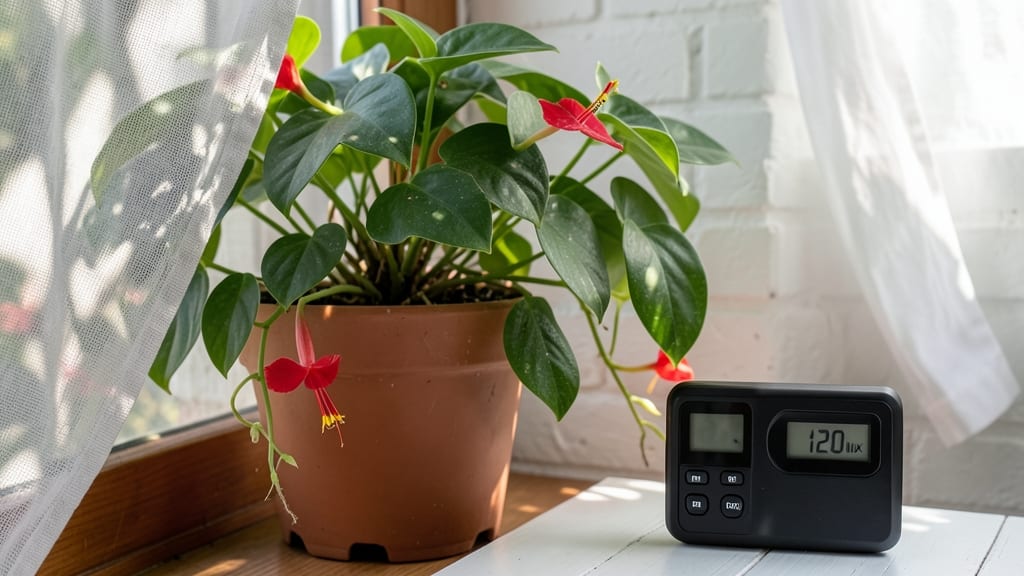
If your lipstick plant 🌸 keeps looking sad with droopy leaves or pale stems, you’re probably guessing wrong about its light needs—and that’s costing you vibrant growth.
The truth is, this stunning tropical beauty thrives in bright indirect sunlight, but most homes either overdo it with harsh rays or underdeliver with dim corners.
I’ve helped countless plant parents revive their lipstick plants by mastering this one key factor: bright indirect light is non-negotiable for its signature glossy foliage and occasional fiery blooms. Too little light and it stretches pitifully toward the window; too much, and those delicate leaves crisp like toast.
Let me show you exactly how to spot the perfect spot in your home—without burning your plant or leaving it starved.
We’ll cover the best windows (east or west-facing), how to tell if your plant is begging for more light, and even when artificial options work. No more guessing games—just lush, healthy growth that makes your lipstick plant the showstopper of your space. Ready to unlock its full potential?
Whether you’re dealing with leggy stems or crispy edges, these simple adjustments will transform your plant’s health in weeks. The secret’s in the light—and once you get it right, your lipstick plant will thank you with bold, vibrant leaves that keep coming back for more.

Ideal light requirements for a lipstick plant’s healthy growth
The lipstick plant (Aeschynanthus radicans) thrives in bright indirect sunlight, mimicking its natural understory habitat. This means placing it near a window where sunlight filters through sheer curtains. Direct midday sun can scorch its delicate leaves, while too little light causes leggy growth and pale foliage.
4-6 hours of filtered light daily is ideal for vibrant blooms and lush green leaves. In my experience, east or west-facing windows provide perfect morning or afternoon light without harsh afternoon rays. North-facing windows work too but may require supplemental light during winter months.
Seasonal adjustments are key—increase light exposure in winter when natural light dims. Rotate your plant weekly so all sides receive even light, preventing uneven growth. A simple trick I use is placing my lipstick plant on a rotating plant stand near the window.
Artificial grow lights can bridge gaps in natural light, especially in dim offices. Look for full-spectrum LEDs that replicate sunlight’s blue and red wavelengths, which encourage healthy photosynthesis. I recommend 12-14 hours of light daily if using artificial sources.
Here’s how to identify bright indirect light in your home: Hold a piece of white paper near your plant. If the shadows are soft and the light isn’t too intense, you’ve found the sweet spot. Avoid placing it where leaves feel hot to the touch—this signals direct sun exposure.
The lipstick plant’s leaves are your best indicator of proper light. Healthy foliage should be deep green with glossy texture, while yellowing or brown edges signal stress from too much sun. When light is insufficient, leaves stretch toward the light source, a condition called etiolation.
For outdoor cultivation in USDA Zone 6, your lipstick plant can enjoy filtered shade under larger trees during summer months. Bring it indoors before first frost (October 30) to protect it from cold temperatures. I’ve found that transitioning plants gradually between indoor and outdoor environments prevents shock.
Pro tip: Mist your lipstick plant’s leaves occasionally to increase light absorption. The moisture helps create a natural lens effect, allowing more light to penetrate the foliage. Pair this with weekly rotations for balanced growth.
| Light Condition | Ideal Duration | Window Placement | Leaf Health Indicator |
|---|---|---|---|
| Bright Indirect | 4-6 hours | East/West, 2-3 ft away | Deep green, glossy |
| Low Light | <2 hours | North-facing, deep indoors | Pale, leggy growth |
| Direct Sun | >6 hours | South-facing, no filter | Brown edges, crispy |
If your home lacks natural light, grow lights are a game-changer. I recommend full-spectrum LED bulbs that cover the 400-700nm wavelength range. Position lights 6-12 inches above the plant and keep them on for 12-14 hours daily.
For seasonal adjustments, reduce light exposure during summer’s intense rays by moving your plant slightly away from the window or using a sheer curtain. In winter, supplement with grow lights or rotate plants to different windows to maximize light capture. This simple routine keeps my lipstick plants thriving year-round.
One common misconception is that more light is always better. While lipstick plants love brightness, direct sun can cause irreversible damage. Think of it like sunbathing—too much without protection leads to burns. The goal is to replicate the dappled sunlight found under forest canopies.
Ideal light requirements for a lipstick plant’s healthy growth
The lipstick plant (Aeschynanthus radicans) thrives in bright indirect light, mimicking its natural understory habitat in tropical forests. This means it needs filtered sunlight—like the dappled light under tall trees—rather than harsh direct rays.
Without the right light, its vibrant red tubular flowers may fail to bloom, and leaves can lose their glossy sheen.
4-6 hours of bright indirect light daily is ideal, but it’s adaptable. In lower light, it survives but grows leggier (stretched stems) and produces fewer blooms. Too much direct sun, however, causes leaf scorch—visible as crispy brown edges. Balancing these extremes is key to keeping your plant lush and flowering.
| Light Requirement | Specification | Ideal Conditions |
|---|---|---|
| Light Type | Bright Indirect | East/west windows with sheer curtains |
| Daily Duration | 4-6 hours | Morning sun + afternoon shade |
| Seasonal Adjustments | Spring/Summer | Move 1-2 feet back from window |
| Low-Light Tolerance | Moderate | North-facing windows or 6+ feet from bright windows |
To identify bright indirect light in your home, place your lipstick plant near an east-facing window first—this provides gentle morning sun without harsh afternoon heat. If leaves start stretching toward the light (etiolation), rotate the pot quarter-turns weekly to encourage even growth.
A 3-foot distance from a south-facing window is ideal, but use a sheer curtain to diffuse intensity.
In winter months, when daylight weakens, supplement with a grow light (12-14 hours/day) to prevent dormancy. Look for full-spectrum LED bulbs—they mimic natural light and encourage blooming. Avoid placing the plant directly under fluorescent lights, as they emit cool, blue light that can stress the foliage over time.
Pro tip: Observe your plant’s leaves—healthy ones are deep green and glossy, while struggling leaves turn yellow or pale. Adjust placement gradually: move the plant closer to light for 2-3 days at a time to avoid shocking its system.
Patience pays off with bold red blooms and compact, bushy growth.
If your home lacks natural light, consider a rotating plant stand to ensure all sides receive equal exposure. This mimics the natural light conditions of its tropical origins and prevents one-sided growth.
With the right light balance, your lipstick plant will reward you with year-round blooms and a thriving, vibrant appearance. 🌸