
How To
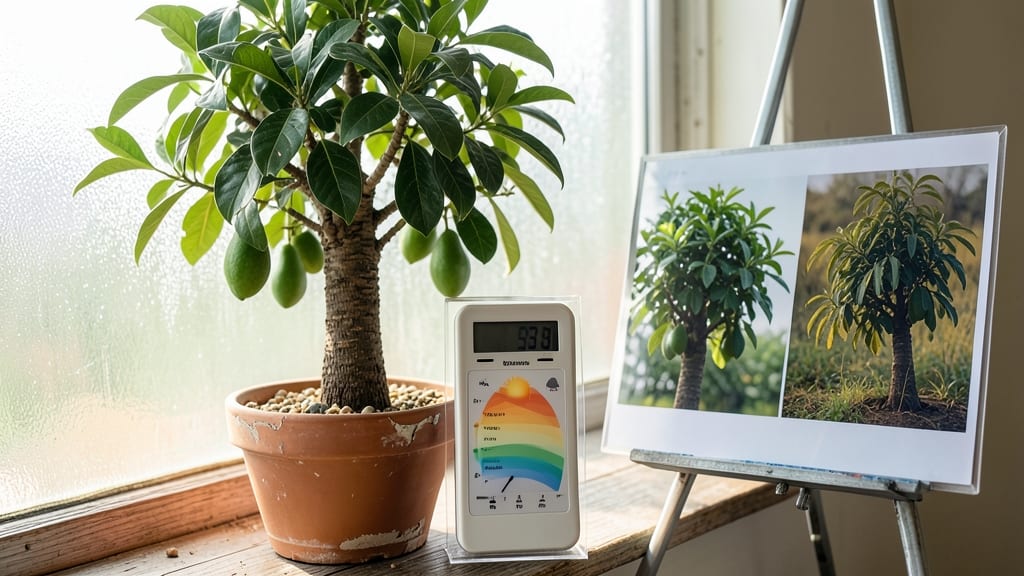
If your 🥑 avocado plant is struggling to thrive, you're probably guessing about its light needs—and that's the problem. Too much direct sun can scorch its leaves, while too little leaves it weak and leggy.
The truth? Avocado plants crave bright, indirect light that mimics their native tropical habitat, and getting it right is easier than you think.
Most gardeners assume avocado plants need full sun, but that's a common misconception that can actually harm your plant. In reality, these tropical trees prefer 6-8 hours of bright, filtered sunlight daily, especially in Zone 6a where intense afternoon sun can be harsh.
The key is replicating the dappled shade they'd get under a forest canopy.
Whether you're growing your avocado indoors by a sunny window or outdoors in your garden, understanding the right light balance is the game-changer between a thriving plant and one that slowly declines.
I'll show you exactly how to provide that perfect light environment, including how to spot when your plant is getting too much or too little—and what to do about it.
From positioning your plant near a south-facing window to using grow lights for indoor setups, we'll cover all the practical solutions you need. Let's get your avocado plant the light it truly deserves so it can grow strong and healthy for years to come.

Avocado plant light requirements by growth stage: sunlight needs from seed to tree
Avocado plants thrive under bright indirect sunlight, but their light needs change dramatically as they grow.
As a tropical tree native to Mexico and Central America, your avocado plant mimics its natural habitat by requiring 6-8 hours of sunlight daily—but with a crucial twist: direct afternoon sun can scorch tender leaves.
Let’s break down the exact light requirements for each growth stage to keep your plant healthy and growing.
For seedlings and young plants (first 6-12 months), start with 4-6 hours of filtered sunlight. Place them near an east-facing window or under a sheer curtain to protect them from harsh rays.
Too much direct sun at this stage can cause leaf burn, while too little leads to leggy, weak stems that struggle to support themselves.
As your avocado enters its juvenile phase (1-3 years old), it craves 6-8 hours of bright indirect light. This is where most indoor growers run into trouble—south-facing windows provide the best balance, but even there, afternoon sun can be intense.
Rotate your plant quarter-turns weekly to ensure even growth and prevent it from leaning toward the light source.
Mature avocado trees (3+ years) need full sun exposure—but with caution. In outdoor settings, they tolerate 6+ hours of direct sun, especially in USDA Zone 10 and above. However, in cooler climates like Zone 6a, outdoor planting is risky unless you’re growing it as an ornamental tree.
If you’re indoors, supplement with a grow light for 12-14 hours daily during winter months when natural light dwindles.
Here’s the key difference many gardeners miss: avocados need consistent light intensity, not just duration. A south-facing window is ideal, but if your plant starts developing yellow leaves or brown tips, it’s likely getting too much direct sun.
Move it back a few feet or add a sheer curtain to diffuse the light.
One common misconception is that avocados need "full sun" like desert plants. In reality, their native habitat under dappled forest canopies teaches us they prefer bright but indirect light. Think of it like a sunbathing lizard: they love warmth but avoid scorching.
| Growth Stage | Ideal Light Hours | Light Type | Signs of Stress |
|---|---|---|---|
| Seedling (0-6 months) | 4-6 hours | Bright indirect | Leggy stems, pale leaves |
| Juvenile (1-3 years) | 6-8 hours | Indirect + 2 hrs direct | Yellowing leaves, slow growth |
| Mature (3+ years) | 6-8+ hours | Full sun (outdoors) or grow light (indoors) | Brown leaf tips, leaf scorch |
If you notice your avocado plant’s leaves turning yellow with brown edges, it’s a classic sign of too much direct sun. On the flip side, dark green but small leaves or stems stretching toward light mean it’s not getting enough.
The solution? Adjust your plant’s position gradually—avocados hate sudden changes in light exposure, which can cause shock.
For indoor growers, a south-facing window is your best bet, but east or west windows can work too if you supplement with a 15-watt grow light for 4-6 hours daily.
Place the light 12-18 inches above the plant and keep it on a timer to mimic natural daylight cycles. This mimics the consistent light intensity avocados need to thrive.
Outdoor avocado trees in warmer climates (Zones 9-11) can handle full sun exposure, but they still appreciate afternoon shade during peak summer months. If you’re in Zone 6a, treat your avocado as a container plant and bring it indoors before first frost (around October 15).
This protects it from cold damage while maintaining its light requirements.
Remember: avocados are light-hungry plants, but they’re also delicate. The goal is to replicate their native environment—bright, filtered light that’s strong enough to fuel growth but gentle enough to prevent damage.
With the right balance, your avocado plant will reward you with lush, glossy leaves and even the promise of fruit in warmer climates. 🌱
How to provide perfect bright indirect sunlight: 5 proven techniques for indoor and outdoor avocado care
Avocado plants thrive in bright indirect sunlight, mimicking their native tropical environments. Unlike full-sun plants, they can't handle harsh midday rays, which often cause leaf scorch or crispy edges. The key is replicating dappled forest light—think 6-8 hours of filtered sunlight daily with protection from intense afternoon sun.
Indoors, a south-facing window is ideal, but east or west windows work too—just rotate your plant weekly for even growth. Outdoors, place avocados under light shade cloth (30-50% coverage) or near trees that filter direct rays.
Avoid placing them in deep shade, where they’ll stretch leggily toward any available light.
✅ 5 Proven Techniques for Perfect Light
- Window Placement: Position your avocado 3-6 feet from a south-facing window to balance brightness and indirectness. Use sheer curtains to diffuse harsh rays.
- Grow Lights: For low-light spaces, use a full-spectrum LED grow light (12-16 hours/day) 6-12 inches above the plant. Adjust height as it grows to prevent stretching.
- Seasonal Adjustments: In summer, move outdoor avocados to morning sun + afternoon shade to avoid heat stress. In winter, supplement with grow lights if natural light drops below 4 hours/day.
- Rotate Regularly: Turn your plant ¼ turn weekly to ensure even light exposure and prevent lopsided growth toward the window.
- Outdoor Shade Solutions: Use mesh screens or sheer fabrics to filter 30-50% of sunlight. Avoid dense shade, which causes etiolation (weak, elongated stems).
Watch for tell-tale signs of light issues: Pale yellow leaves mean too little light, while brown crispy edges signal sunburn. If leaves develop red or purple hues, your avocado is stretching toward light—time to adjust its position or add a grow light.
For container-grown avocados, choose a spot where they’ll receive consistent light year-round. Grouping plants together can create a microclimate that mimics their natural habitat, reducing stress. Remember, avocados are slow growers, so patience is key—rushing their light exposure often leads to irreversible damage.
Pro tip: If your avocado’s leaves start drooping slightly during the day, it may be thirsty due to increased light exposure. Water deeply in the morning to help it recover. Pairing proper light with well-draining soil and regular watering sets your avocado up for lush, healthy growth.