Plants
Planting garlic in Phoenix might seem tricky—after all, your garden isn't exactly known for mild winters. But with the right timing and heat-tolerant varieties, you can grow bold, flavorful 🧄 bulbs that thrive in this desert climate.
The key to success lies in planting during those crisp winter months when soil temperatures stay cool. Between November and January, your garlic will establish strong roots before the heat arrives, avoiding the dreaded bolting that ruins harvests. This is your window to lock in a bumper crop.
Phoenix’s unique microclimates mean even small adjustments can make a big difference. Whether you're in a cooler valley or a hotter urban area, I’ll show you exactly how to time your planting for maximum yield—no guesswork required.
Ready to grow garlic that’s as tough as the desert itself? Let’s dive into the exact months, soil prep secrets, and variety choices that’ll have your garden producing plump bulbs come spring.
Best Phoenix garlic planting months to avoid bolting & maximize yield
Phoenix’s USDA Zone 9b climate challenges traditional garlic growing, but timing is everything to prevent bolting (premature flowering). Unlike cooler regions, we plant fall through early winter—not spring—to align with Phoenix’s mild winter temperatures (40°F–60°F) and avoid summer heat stress.
The ideal window is November through January, when soil temps stay cool enough for bulb development.
Garlic needs 60–90 days of cool weather (below 70°F) to form bulbs. In Phoenix, planting too early (October) risks excessive winter rains, while planting late (February+) exposes cloves to rising spring temps that trigger bolting.
My sweet spot is mid-November, when monsoon season ends and daytime highs hover around 75°F—perfect for initial growth.
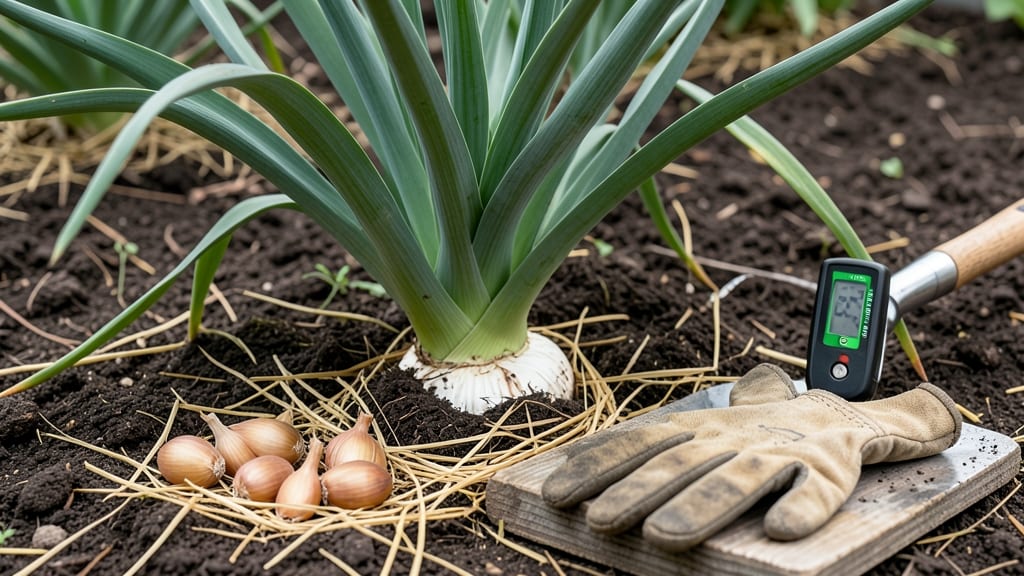
Soil temperature is your secret weapon against bolting. Use a soil thermometer to confirm temps are 50–65°F at planting depth (2–4 inches). In Phoenix, this typically aligns with November–January, but microclimates vary: elevated areas (like North Phoenix) cool faster than low desert valleys (like South Phoenix).
Adjust your timing 1–2 weeks earlier if you’re in a cooler microclimate.
Hardneck vs. softneck varieties respond differently to Phoenix’s heat. Hardnecks (like ‘German Red’) bolt faster in warm winters, while softnecks (like ‘Silverskin’) handle heat better but may not form scapes. For Phoenix, I recommend Artichoke or Creole varieties—they’re heat-tolerant and less prone to bolting.
Plant them 2–4 inches deep, 4–6 inches apart, in well-draining soil amended with compost to lock in moisture.
Watering strategy is critical. Phoenix’s low humidity and intense sun dry soil quickly. After planting, water deeply once a week until sprouts emerge, then reduce to bi-weekly deep soaks (1–1.5 inches per session).
Overwatering causes rot, while underwatering stresses cloves. Mulch with 2–3 inches of straw to retain moisture and regulate soil temps—this is non-negotiable in Phoenix’s extreme temperature swings.
Fertilizer timing matters too. Skip heavy feeding—garlic is a low-maintenance bulb. Instead, mix in compost or aged manure at planting for slow-release nutrients. If your soil is sandy (common in Phoenix)**, add a balanced 5-10-10 fertilizer in December to support early growth.
Avoid nitrogen-heavy fertilizers; they promote leafy growth over bulb development, increasing bolting risk.
| Planting Window | Soil Temp (°F) | Key Action | Bolting Risk |
|---|---|---|---|
| Mid-October | 55–65°F | Plant in elevated areas only | High (excess rain) |
| November | 50–60°F | Ideal for most Phoenix zones | Low |
| December–January | 45–55°F | Best for low desert areas | Very Low |
| February | 60–70°F | Risky; use shade cloth | Moderate |
Harvest timing is just as critical as planting. In Phoenix, garlic typically matures April–May, when lower leaves turn brown and crispy but upper leaves stay green. If you see scapes (flower stalks), snip them immediately—they divert energy from bulb growth.
For spring-planted garlic (a risky experiment in Phoenix), expect harvests in July–August, but yields will be smaller and less flavorful due to heat stress.
Pro tip: Use shade cloth (30–50%) in late winter if temps rise above 75°F during the day. This buys you 2–4 extra weeks of growing time without bolting. Pair it with drip irrigation to keep roots consistently moist—Phoenix’s dry winds can wick moisture away faster than you think.
Test your soil’s drainage too; garlic hates soggy roots, which are common in Phoenix’s clay-heavy soils.
Finally, store harvested garlic in a cool, dry place (60–65°F, 60% humidity) with good airflow. Phoenix’s summer heat (100°F+) will spoil bulbs in weeks, so avoid storing garlic outdoors. Braid softneck varieties for long-term storage (6+ months
Best Phoenix garlic planting months to avoid bolting & maximize yield
Phoenix’s USDA Zone 9b climate means no frost to worry about, but heat stress and premature bolting are real threats to garlic growers. The key is planting when soil temperatures dip below 75°F—this triggers bulb formation before summer’s relentless heat triggers flowering.
Aim for November through January to give your garlic enough cool-season growth before the heat ramps up.
Hardneck varieties (like ‘German White’) need 40-60 days of cold to form bulbs, but Phoenix rarely drops below 40°F. Softneck varieties (‘Silverskin’) are more adaptable, but even they’ll bolt if planted too late.
The sweet spot is early November—just before winter rains begin—when daytime highs hover around 70-75°F.
| Planting Window | Soil Temp | Risk Level | Best Varieties |
|---|---|---|---|
| Early November | 65-75°F | Low (ideal) | Silverskin, Artichoke |
| Mid-December | 60-70°F | Moderate | Creole, Rocambole |
| Late January | 65-75°F | High (bolt risk) | Silverskin only |
| February+ | 75°F+ | Very High | Avoid |
Phoenix’s microclimates can shift planting windows by weeks. Higher elevations (like Carefree) stay cooler longer, while low desert areas (Glendale) heat up faster. Test soil temps with a soil thermometer—plant when readings drop to 65°F at 4-inch depth.
If you miss the November window, January is your last chance, but use shade cloth to delay bolting.
Bolting isn’t just about heat—day length plays a role too. Phoenix’s 10+ hours of daylight in summer triggers flowering. To counteract this, plant late enough that bulbs mature before March, when days exceed 12 hours.
For hardnecks, this means aiming for a March harvest; softnecks can stretch to May.
Pro tip: Pre-cool cloves for 24 hours in the fridge before planting to mimic winter chilling. This jumpstarts bulb formation, even in Phoenix’s mild winters. Pair this with drip irrigation to keep soil consistently moist (but not soggy) during critical growth stages.
Avoid overhead watering—fungal diseases thrive in Phoenix’s humidity spikes.
Remember, harvest timing is just as critical as planting. In Phoenix, garlic is ready when lower leaves brown and bulbs reach 1.5-2 inches—usually April-May. Cure them in a dry, shady spot for 2 weeks to preserve flavor and storage life.
With the right timing, you’ll beat the heat and grow garlic that rivals store-bought—and tastes 10x better.