
Plants
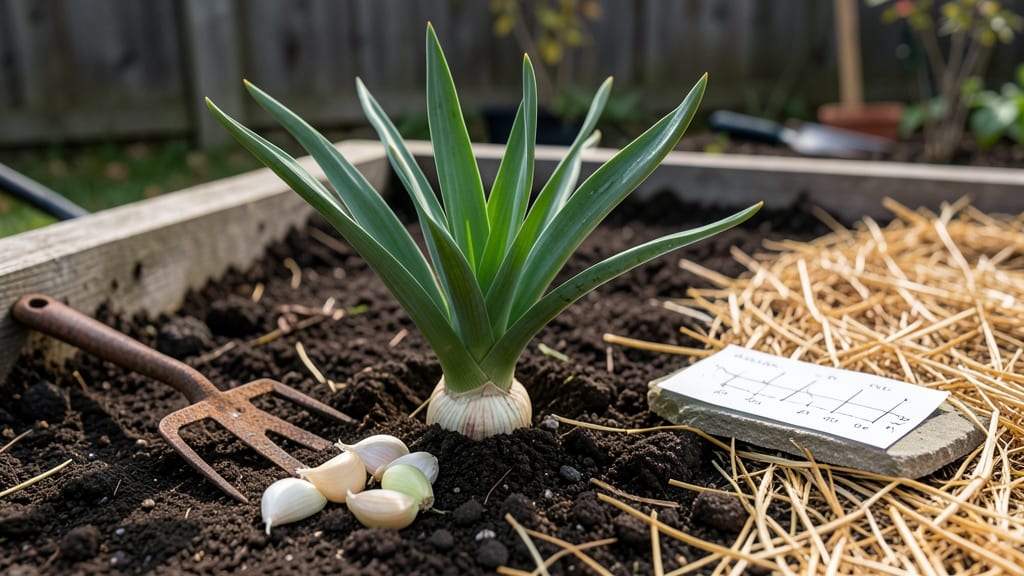
Timing your garlic planting in Northeast Ohio isn't just about the calendar—it's about matching your crop to the region's chill-hour magic. Plant too early, and you risk bolting; too late, and your bulbs may never mature.
The key? Understanding how October and November temperatures work with your garlic's needs for 32°F–40°F cold snaps.
If you've ever wondered why some gardeners swear by late-fall planting while others panic about frost, the answer lies in Northeast Ohio's Zone 6a climate. This guide will help you pinpoint the exact window—typically October through November—when your soil and weather align perfectly for zero-bolt success.
No more guesswork, just plump, flavorful bulbs ready by mid-July.
What makes this region tricky? The unpredictable swings between first frost in mid-October and the deep freeze by mid-November. But here's the game-changer: planting 4-6 weeks before the ground freezes gives your garlic the cold exposure it craves.
We'll walk you through the science behind chill-hours and how to adjust for your specific microclimate—whether you're in urban Cleveland or rural farmland.
Ready to grow garlic that rivals any store-bought variety? Let's dive into the step-by-step strategies that will transform your fall planting into a summer harvest victory. You'll learn which varieties thrive here, how to prep your soil, and even how to protect your crop from Ohio's wild winter weather.
Your 🧄 garden awaits!
Northeast Ohio garlic planting calendar: chill-hours explained for zero-bolt success
Timing is everything when planting garlic in Northeast Ohio. The key to avoiding bolting (premature flowering) and ensuring robust bulbs lies in matching your planting window to the region’s chill-hour requirements.
For USDA Zone 5b–6a, this means planting hardneck varieties between October 15 and November 15, while softneck varieties can tolerate slightly later plantings.
Garlic needs 32°F–40°F temperatures for at least 60–90 days to vernalize (a cold period that triggers bulb formation). In Northeast Ohio, this translates to planting 4–6 weeks before the ground freezes, typically around mid-October to early November.
If planted too early, cloves may sprout and freeze; too late, and they won’t get enough cold exposure.
Here’s how to align your planting with Northeast Ohio’s climate:
| Planting Window | Chill-Hours Needed | Soil Temperature | Key Consideration |
|---|---|---|---|
| Mid-October | 60–75 days below 40°F | 40°F–50°F | Balances cold exposure and frost risk |
| Late October | 75–90 days below 40°F | 35°F–45°F | Ideal for hardneck varieties; risk of early frost |
| Early November | 90+ days below 40°F | 30°F–40°F | Best for softnecks; higher frost risk |
🌱 Pro Tip: Use a soil thermometer to confirm temperatures are 40°F+ before planting.
Northeast Ohio’s first hard frost typically arrives by mid-October, but ground temperatures lag behind air temps. Aim to plant when daytime highs are 50°F or lower and nighttime lows dip into the 30s°F. This ensures cloves establish roots before winter dormancy.
For hardneck varieties, which produce scape shoots and are better suited to cold climates, plant by November 1. Softnecks, like ‘Silverskin’, can handle later plantings but may yield smaller bulbs.
If you miss the fall window, spring planting (March–April) is possible but yields are 50% smaller due to insufficient cold exposure.
Snow cover acts as a natural insulator, protecting garlic from extreme cold. In rural areas with deeper snowpack, you can push planting to early November. Urban gardens, however, may experience faster soil freezing, so plant 2–3 weeks earlier to compensate.
Monitor your local frost dates using resources like the Old Farmer’s Almanac or NOAA climate data. For Northeast Ohio, the average last frost is around May 15, giving garlic 165 frost-free days to mature—plenty of time for a mid-July harvest if planted correctly.
To maximize success, plant cloves 2 inches deep and 4–6 inches apart in well-draining soil with a pH of 6.0–7.0. Mulch with straw or leaves (4–6 inches thick) to retain moisture and insulate roots during winter fluctuations.
By aligning your planting with Northeast Ohio’s chill-hour window and soil conditions, you’ll avoid the pitfalls of bolting or winter kill, ensuring a bountiful harvest of plump, flavorful bulbs by summer.
5 Critical factors that determine your Northeast Ohio garlic planting success
Timing isn’t the only factor—your garlic’s success hinges on 5 critical variables that Northeast Ohio’s climate throws at you. From soil temperature to snow cover, each plays a role in whether your bulbs thrive or fail.
Let’s break down what to watch for to avoid common pitfalls like winter kill or premature bolting.
First, soil temperature must be 40°F or below when you plant. Cold soil prevents early root growth, which is crucial for surviving Ohio’s harsh winters. Use a soil thermometer to check—planting when temps drop below this threshold ensures your garlic stays dormant until spring.
If you plant too early, roots may sprout and freeze, killing the clove.
Next, consider snow cover as your garlic’s natural insulator. A thick blanket of snow acts like a winter blanket, protecting bulbs from extreme cold snaps that can dip below -10°F.
In urban areas with less snow, add 2–3 inches of straw mulch to mimic this protection. Without it, exposed garlic risks freeze damage or even complete loss.
🌱 Numbered Highlights: Northeast Ohio Garlic Success Factors
- Soil Temp: Plant when soil is 40°F or below to prevent early root growth.
- Snow Cover: Aim for 6+ inches of snow for natural insulation.
- Frost Depth: Plant cloves 4 inches deep to avoid freeze-thaw cycles.
- Microclimates: Urban areas warm faster—plant 2 weeks later than rural zones.
- Soil pH: Test and amend to 6.0–7.0 for optimal nutrient uptake.
Don’t overlook frost depth. Northeast Ohio’s ground freezes to varying depths—plant cloves 4 inches deep to escape the deepest frost. Shallow planting leaves bulbs vulnerable to freeze-thaw cycles, which can crack or kill them.
Use a trowel to dig trenches if your soil is rocky or poorly drained, ensuring consistent depth.
Microclimates can throw off your entire schedule. Urban gardens, for example, often experience warmer soil due to pavement and buildings. If you’re in a city like Cleveland, plant 2 weeks later than rural areas in Zone 5b.
Use a local frost date guide (like the Old Farmer’s Almanac) to adjust your timeline—this small tweak can mean the difference between a failed crop and a bountiful harvest.
Lastly, soil pH and drainage are non-negotiable. Garlic thrives in slightly acidic to neutral soil (pH 6.0–7.0). Test your soil in early fall and amend with lime (to raise pH) or sulfur (to lower pH) as needed.
Poor drainage leads to rot, so raise beds or amend clay soil with compost or sand before planting. A well-prepared bed sets the stage for healthy, disease-resistant garlic.
By mastering these 5 critical factors, you’ll outsmart Northeast Ohio’s climate and grow garlic that’s bold, flavorful, and ready for harvest by mid-July. Start with soil prep now—your future harvest depends on it! 🌱