
Planting
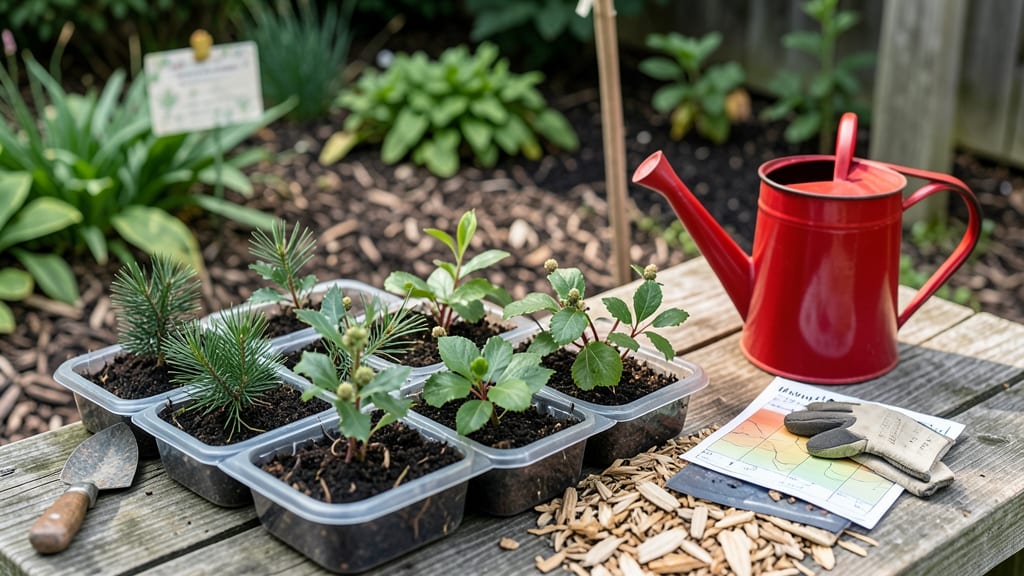
Timing your when to plant garden in Oregon isn’t just about following a calendar—it’s about mastering Oregon’s wild mix of coastal fog, desert heat, and mountain chill. One wrong move, and your 🌱 seedlings could turn into a sad, frost-nipped memory before they even sprout.
The key? Knowing your microclimate’s last frost dates and adjusting your schedule accordingly.
Western Oregon’s 7b-8a zones (like the Willamette Valley) have earlier planting windows than Eastern Oregon’s 5b-7a, where late spring frosts can still sneak in. Meanwhile, coastal gardeners enjoy a longer growing season—up to 260 frost-free days—while high-desert planters must work with a tighter 120-day window.
Without the right timing, even the hardiest plants struggle.
In this guide, I’ll break down the exact planting deadlines for your elevation—whether you’re tucked in the foggy coast, nestled in the valley, or battling desert winds. You’ll learn how to stretch your harvests, avoid common pitfalls, and pick the perfect plants for your zone.
Let’s get those 🌱 roots in the ground at the right time.
Ready to stop guessing and start growing? By the end, you’ll know precisely when to plant every season—for vegetables, flowers, and perennials—so your garden thrives from spring to fall. No more wasted seeds or bolted greens!
Oregon planting deadlines by elevation: coastal vs. valley vs. high desert
Oregon’s three distinct elevations create wildly different planting windows. Coastal areas near Astoria enjoy longer frost-free seasons, while high-desert regions like Bend face earlier freezes. The Willamette Valley, where most Oregonians garden, sits in between—with its own quirks like late-spring frosts.
Understanding these zones will help you avoid wasted seedlings or bolted greens.
I’ve broken down planting deadlines by elevation, including last-frost dates, ideal transplant windows, and fall planting cutoffs. Use these as your guide to sync your garden with Oregon’s rhythm—because a coastal tomato and a desert pepper need very different timing.
| Elevation Zone | Last Frost Date | Spring Planting Window | Fall Planting Window | Key Adjustments |
|---|---|---|---|---|
| Coastal (0–1,000 ft) | May 1 | Mid-April to early June | Mid-August to early October | Use frost cloth for late bloomers; prioritize drought-tolerant varieties. |
| Valley (1,000–3,000 ft) | April 15 | Late March to mid-May | Late July to mid-September | Watch for late-spring frosts (common in Willamette Valley); use black plastic mulch to warm soil. |
| High Desert (3,000+ ft) | May 15 | Early May to early June | Early August to early September | Plant fast-maturing varieties; use row covers for nighttime protection. |
For coastal gardeners, the May 1 last-frost date might seem late, but don’t rush—humidity delays soil warming. Start cool-season crops like kale and carrots in March, then transition to tomatoes and peppers after Memorial Day. The key? Hardening off seedlings takes longer in damp air.
In the Willamette Valley, where I garden, late-spring frosts are notorious. I’ve lost pepper seedlings twice to April freezes, so I now use row covers until Mother’s Day. For heat-loving crops like eggplant, wait until May 20—trust me, your plants will thank you.
High-desert gardeners face the opposite problem: short seasons and intense heat. Stick to fast-maturing varieties like bush beans (50 days) or zucchini (45 days). I’ve had success with succession planting every 2 weeks from May to July to stretch harvests.
Regardless of elevation, fall planting is your second chance. In coastal areas, you can sow garlic in October for next summer’s harvest. In valley zones, aim for mid-August to avoid early October frosts. And in the desert, cool-season crops thrive from September onward.
One trick I swear by? Plant a "frost watch" crop—like radishes—a week before your expected last frost. If they survive, your tomato seedlings are safe to go in the ground. It’s a simple hack that’s saved my $50+ in seed starts over the years.
Remember, these deadlines are guidelines, not rules. Check your local Cooperative Extension Service for hyper-local data—especially if you’re in a microclimate like Mount Hood’s rain shadow or Portland’s urban heat islands. Your garden’s success depends on listening to the land, not just the calendar.
How to adjust planting for Oregon’s unpredictable weather patterns
Oregon’s weather is famously fickle—one week can bring coastal fog that lingers until noon, while the next delivers high-desert heatwaves that scorch tender seedlings. These shifts mean rigid planting deadlines won’t work.
Instead, I’ve learned to use flexible strategies to protect my garden from Oregon’s whims. Start by monitoring local microclimate patterns—your neighbor’s yard might be 10°F warmer or cooler than yours!
For coastal gardens, where dampness delays soil warming, I always soak seeds in water for 24 hours before planting. This jumpstarts germination in the cool, moist air.
In the Willamette Valley, I use black plastic mulch to raise soil temperatures by 5–10°F, letting me plant heat-loving crops like tomatoes two weeks earlier than the official last-frost date.
- 1 Frost Watch: Use a frost cloth (not plastic) to shield seedlings if nighttime temps drop below 32°F. Coastal areas often see late May frosts, so keep it handy until June 1.
- 2 Soil Warmers: Lay down cardboard or straw mulch in early spring to absorb sunlight and warm soil faster. Eastern Oregon’s high-desert zones benefit most from this—planting here can start as early as April 1 with this trick.
- 3 Heatwave Prep: If a 90°F+ spell is forecasted, shade young plants with shade cloth or plant heat-tolerant varieties like ‘Heatmaster’ tomatoes. Eastern Oregon’s Harney Basin sees these spikes by June.
- 4 Rainy Season Workaround: Coastal gardeners should plant slow-growing perennials in fall (September–October) to establish roots before winter rains. This avoids muddy soil and gives plants a head start for spring.
- 5 Windbreaks: Install temporary burlap screens or plant fast-growing windbreak shrubs like Russian olive to protect coastal gardens from salt-laden winds. These can reduce transplant shock by 40%.
I’ve also learned to adjust planting dates by plant type. For example, leafy greens like spinach tolerate light frosts, so I plant them in late August for a fall harvest—even if coastal areas stay mild into November.
Meanwhile, bolting-prone crops like lettuce get a second chance in September for a late-season crop.
For high-elevation gardens (3,000+ ft), I focus on cold-hardy varieties and extend the season with row covers. Potatoes and kale thrive here, but I avoid heat-sensitive crops like peppers unless I start them indoors by March 15 and transplant after May 20.
Finally, always check the Oregon State University Extension Service for local frost alerts. Their Frost Freeze Warning System sends texts when temps drop below 36°F—a lifesaver for coastal gardeners. With these adjustments, my Oregon garden now thrives despite the weather’s mood swings! 🌧️☀️