Planting
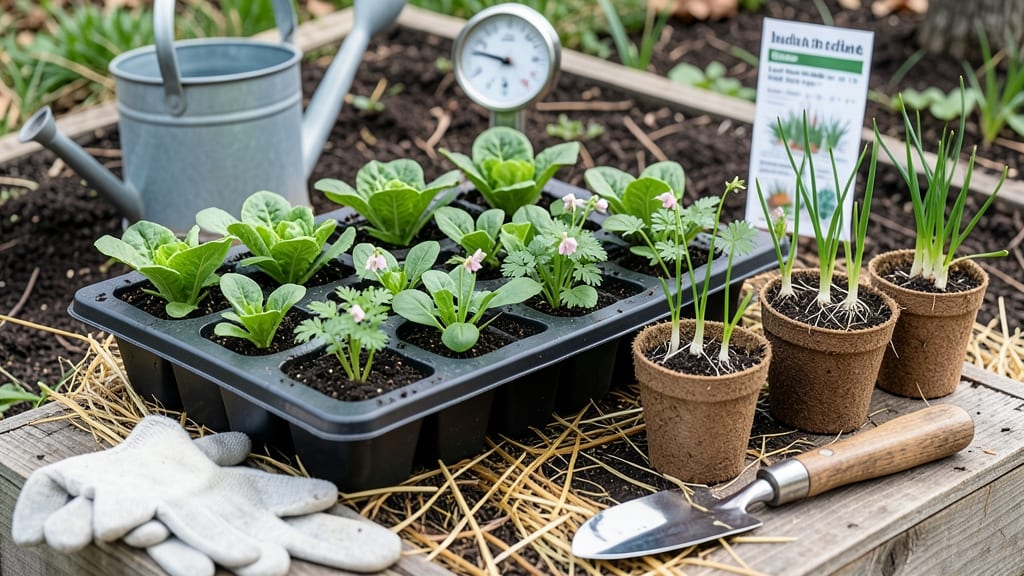
Indiana Zone 6 planting calendar: exact start dates by crop type
Indiana’s Zone 6 climate offers a 160-180 day growing season, but timing is everything. The last average frost typically hits mid-April, while the first frost arrives around mid-October. These dates create your planting windows—spring (March-May) for cool-season crops and fall (July-September) for warm-season starters.
Cool-season crops like lettuce, spinach, and peas thrive when planted 4-6 weeks before the last frost. Meanwhile, tomatoes, peppers, and cucumbers need soil temperatures of 60°F+, which usually arrives in late April to early May. Understanding these windows ensures your garden avoids frost damage while maximizing harvests.
Here’s a quick reference for Indiana’s planting timeline by crop type, including ideal months and frost considerations:
| Crop Type | Spring Planting Window | Fall Planting Window | Notes |
|---|---|---|---|
| Cool-Season Vegetables | Mid-March to Early May | Late July to Mid-September | Lettuce, spinach, kale, peas, radishes |
| Warm-Season Vegetables | Late April to Early June | N/A (Start indoors in March) | Tomatoes, peppers, cucumbers, beans |
| Flowers & Herbs | Early April to Mid-May | Late July to Early September | Marigolds, basil, thyme, pansies |
| Perennials & Shrubs | Early Spring (April) | Early Fall (September) | Daylilies, coneflowers, boxwood |
For cool-season crops, start seeds indoors in February or direct-sow in March for early harvests. Warm-season crops like tomatoes and peppers need a head start—begin seeds indoors in March and transplant after the last frost. Fall planting is ideal for cool-season crops again, giving you a second harvest before winter.
Indiana’s northern regions (Zone 5b) may experience later frosts, while southern areas (Zone 6b) can start slightly earlier. Always check your local Purdue Extension frost dates for the most accurate timing.
Soil temperature is just as critical as air temperature—use a soil thermometer to confirm 60°F for warm-season crops and 40-50°F for cool-season varieties.
Pro tip: Use row covers or cold frames to extend your spring planting window by 2-3 weeks. This is especially helpful for delicate greens like lettuce and spinach, which bolt in warm weather. Succession planting every 2 weeks ensures a continuous harvest of radishes, lettuce, and other fast growers.
Don’t forget perennials and shrubs—they thrive when planted in early spring (April) or early fall (September). This gives roots time to establish before extreme temperatures. For trees, plant in late fall or early spring to avoid transplant shock during summer heat.
Indiana’s short growing season demands precision. By following these planting windows and adjusting for your microclimate, you’ll avoid common pitfalls like frost damage or bolting vegetables. Start with these dates, then fine-tune based on your yard’s unique conditions.
Ready to dive deeper? Next, we’ll cover how to adjust planting times for Indiana’s microclimates and frost risks—because not all gardens are created equal! 🌱
How to adjust planting times for Indiana’s microclimates and frost risks
Indiana’s Zone 6 climate varies dramatically from north to south, meaning your planting schedule should adapt to your exact location. Northern Indiana (like Lake County) often faces later last frosts—sometimes as late as May 15—while southern Indiana (like Vanderburgh County) can start planting 2-3 weeks earlier.
Always check your local frost dates using Purdue Extension’s frost calculator for precision.
Even within the same county, microclimates—like south-facing slopes or urban heat islands—can create 1-2 week differences in frost timing. For example, a garden near a lake or river may stay cooler longer, delaying planting by 7-10 days compared to inland areas.
Use row covers or cold frames to push early starts in high-risk zones.
Late frosts are Indiana’s biggest threat, especially in April and May. If nighttime temps drop below 28°F, tender seedlings like tomatoes or peppers can die overnight.
To protect your garden, plant heat-loving crops (like beans or squash) only after May 1, even if soil is workable earlier. For extra safety, use black plastic mulch to warm soil faster and floating row covers for early transplants.
- Northern IN: Wait until May 10 for warm-season crops
- Southern IN: Safe by April 25 in most years
- Urban areas: Heat islands may allow earlier planting by 5-7 days
- Row covers: Extend season by 2-4 weeks but remove before flowering
For fall planting, aim to sow seeds 6-8 weeks before your first frost (usually late August to early September). Cool-season crops like kale or spinach can handle light frosts, but avoid planting broccoli or cabbage after September 15—they won’t mature before winter.
Use straw mulch (3-4 inches thick) to insulate roots and protect tender greens from black rot in cold snaps.
If you’re in a transition zone (like Marion or Tippecanoe County), split your planting schedule: start hardy crops (like carrots or radishes) in early April, then add tomatoes and peppers after May 15.
This staggered approach ensures a continuous harvest and minimizes frost losses. For herbs like basil or cilantro, wait until soil temps hit 60°F—cold soil stunts growth and attracts pests.
Don’t forget to adjust for elevation: Gardens 500+ feet above sea level (common in southern Indiana) may have earlier frost-free dates by 1-2 weeks. Use a soil thermometer to confirm readiness—warm-season crops need soil at 60°F+, while cool-season crops thrive at 40-50°F.
When in doubt, err on the side of planting late—Indiana’s growing season is short, and lost seedlings won’t come back.