
Flowers
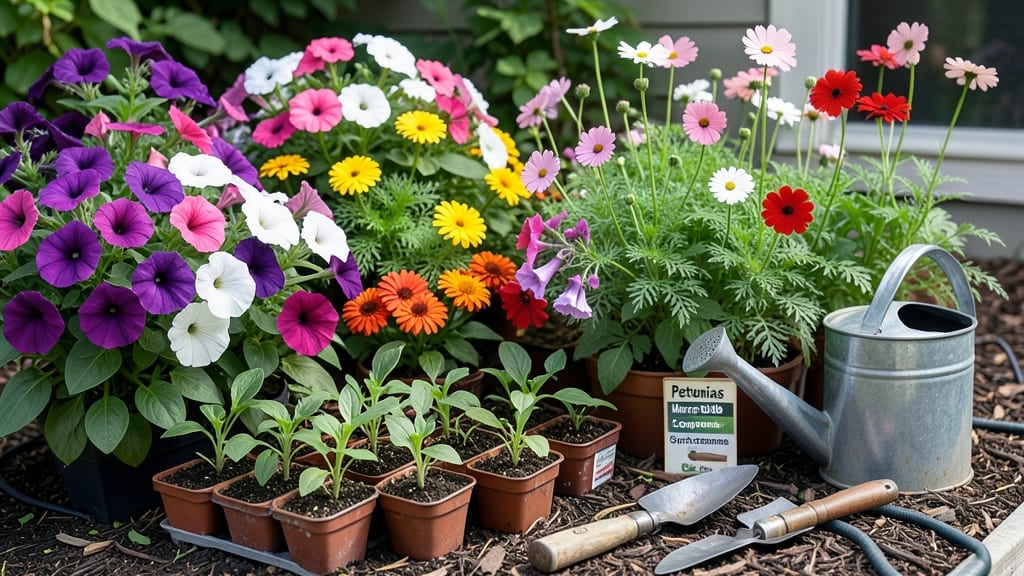
Knowing when to plant flowers in Zone 7 can make the difference between a garden that dazzles all season and one that fizzles out before summer even arrives.
With 180 frost-free days and mild winters, Zone 7 offers a unique window—but timing is everything to avoid wasted effort or stunted growth.
The key is understanding your local microclimate and matching flower types to their ideal planting windows. Spring bulbs like tulips need to go in the ground 6-8 weeks before the first frost, while summer annuals like marigolds thrive when planted after the last frost in mid-April.
Get this wrong, and you’ll either have sad, wilted blooms or miss out on months of color.
In this guide, I’ll break down the perfect planting schedule for Zone 7, from cool-season flowers that love early springs to heat-tolerant varieties that shine in summer.
You’ll learn how to adjust for early or late bloomers, avoid common mistakes, and keep your garden bursting with color from March through November.
Whether you’re a first-time gardener or a seasoned pro, these insights will help you plan with confidence. Let’s get your flowers off to the best possible start—because the right timing is the secret to a showstopping garden.
Zone 7 flower planting calendar by season (cool vs. warm season flowers)
In Zone 7, your flower garden thrives when you align planting with the last frost date (typically mid-April) and soil temperatures (ideal: 60°F+). Cool-season flowers like pansies and snapdragons love early spring, while marigolds and zinnias shine in summer heat.
Fall planting offers a second chance for mums and astilbes to bloom before winter.
Your 180 frost-free days in Zone 7 mean you can grow both short-season annuals and long-blooming perennials. For example, tulips (bulbs) need planting 6-8 weeks before frost, while sunflowers (seeds) wait until after last frost when soil warms. Let’s break down the perfect planting windows for each season.
🌱
| Season | Flower Type | Planting Window | Soil Temp | Notes |
|---|---|---|---|---|
| Spring | Bulbs (Tulips, Daffodils) | September-October (fall) or March (spring) | 40-50°F | Plant bulbs 6-8" deep, 6" apart. |
| Spring | Cool-Season Annuals (Pansies, Snapdragons) | February-March (6-8 weeks before last frost) | 45-55°F | Direct sow or transplant after soil thaws. |
| Spring | Perennials (Coneflowers, Black-Eyed Susans) | March-April (after last frost) | 50-60°F | Transplant bare-root or potted perennials. |
| Summer | Warm-Season Annuals (Marigolds, Zinnias) | April-May (after last frost) | 60°F+ | Direct sow after soil reaches 60°F. |
| Summer | Heat-Tolerant Perennials (Lavender, Russian Sage) | April-May (established plants) | 60°F+ | Prune back in early spring for new growth. |
| Fall | Fall Bloomers (Mums, Astilbes) | August-September (6-8 weeks before first frost) | 55-65°F | Transplant potted mums or sow seeds early. |
| Fall | Spring-Blooming Bulbs (Tulips, Hyacinths) | September-October (before ground freezes) | 50-60°F | Plant bulbs for next spring’s blooms. |
Spring planting in Zone 7 starts with bulbs like tulips and daffodils, which you should plant September-October for spring blooms. Cool-season annuals like pansies and violas can handle light frosts, so sow them February-March.
Wait until mid-April (after your last frost) to plant warm-season favorites like marigolds and petunias—these need consistent warmth to thrive.
Summer is all about heat-loving annuals and established perennials. If you miss spring planting, succession plant every 2-3 weeks to keep your garden blooming until frost. Zinnias and cosmos are perfect for this—they tolerate heat and bloom nonstop if deadheaded regularly.
Fall planting is your second chance for color. Mums and aster seeds sown in August will reward you with autumn blooms, while spring-blooming bulbs planted now will surprise you next year. Aim to finish planting by mid-October to avoid winter damage.
Pro tip: Use mulch (2-3 inches) after planting to retain moisture and regulate soil temperature. In Zone 7, mulch also protects roots from late-spring frosts and summer heat. For bulbs, a light mulch of straw keeps them frost-free through winter.
☀️
How to adjust planting times for early vs. late bloomers in Zone 7
Zone 7’s mild winters and hot summers create a unique challenge: balancing early bloomers that need cold exposure with late-season flowers that can’t handle summer heat. The key is adjusting planting times based on bloom cycles—not just the calendar.
For example, tulips and daffodils (early bloomers) thrive when planted in fall (October-November), while zinnias and marigolds (late bloomers) should wait until May-June to avoid wilting in summer’s peak heat.
Succession planting is your secret weapon. Instead of planting all your annuals at once, stagger them every 2-3 weeks from spring to summer. This ensures continuous blooms and prevents overcrowding.
For instance, plant pansies in early spring for cool-weather color, then replace them with geraniums in late spring as temperatures rise. This strategy extends your garden’s bloom season by 3-4 months.
🌱 Heat-tolerant varieties are non-negotiable for Zone 7’s summers. Opt for lantana, pentas, or black-eyed Susans, which thrive in 90°F+ temperatures and can handle drought-like conditions.
These plants often bloom later in the season, so start them indoors in March or sow directly in April after the last frost. Their deep roots also help them compete with weeds and retain moisture.
- 🌿 Early Bloomers (Spring): Plant bulbs in fall (Oct-Nov) for March-April blooms (e.g., tulips, hyacinths).
- ☀️ Summer Bloomers: Start heat-lovers indoors in March or sow in May (e.g., zinnias, cosmos).
- 🍂 Fall Bloomers: Plant mums and asters in early summer (June) for September-October color.
Microclimates in Zone 7 can shift planting times by 2-4 weeks. A north-facing shade garden might support cool-season flowers like snapdragons in late spring, while a south-facing sunny patch can handle summer heat with portulaca or gaillardia.
Use your garden’s natural conditions to your advantage: shady spots delay planting by 2 weeks, while sunny areas allow earlier sowing.
For perennials, timing matters just as much as placement. Divide and transplant overcrowded perennials like daylilies or coneflowers in early spring (March) or early fall (September).
This gives roots 6-8 weeks to establish before extreme temperatures. Avoid transplanting in summer’s peak heat, as it stresses plants and slows regrowth.
🌻 Pro Tip: Use season extenders like row covers or cold frames to push planting windows. For example, you can start cool-season veggie flowers like nasturtiums 4 weeks earlier in spring with a simple frost cloth.
Similarly, black plastic mulch can warm soil in early spring, letting you plant heat-loving flowers like salvias 2 weeks sooner.
Finally, pay attention to soil temperatures, not just air temps. Use a soil thermometer to ensure seeds and transplants go in when soil is 60°F+ for warm-season flowers or 50°F+ for cool-season varieties.
In Zone 7, this often means waiting until late April for most annuals, even if the air feels warm earlier. Rushing leads to poor germination or stunted growth.