
Planting
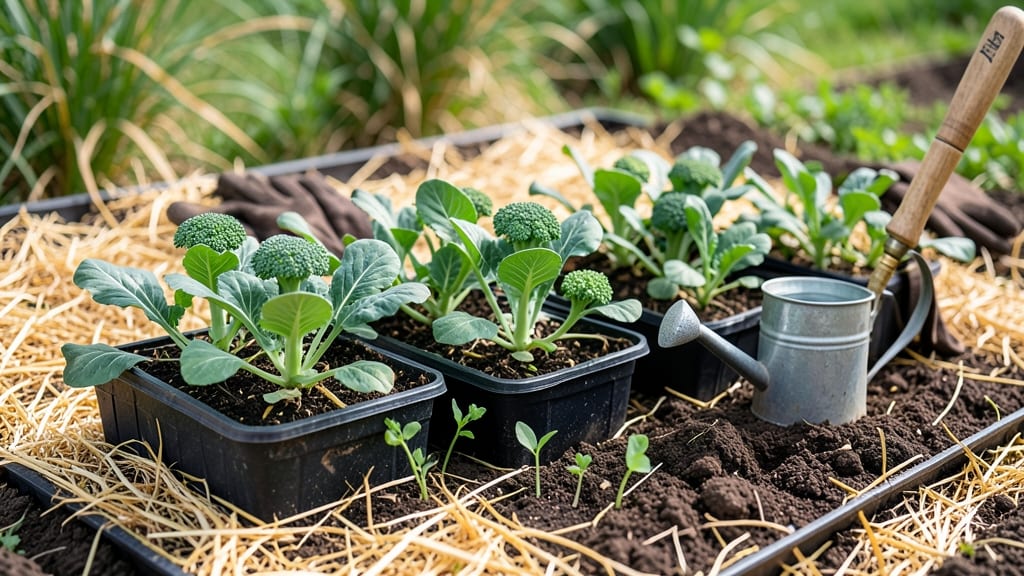
If you're dreaming of fresh 🥬 fall garden vegetables on your table but don't want to miss the perfect planting window, timing is absolutely everything in Zone 7.
The difference between a bountiful harvest and wasted effort often comes down to knowing exactly when to plant—whether you're growing crisp lettuce, hearty kale, or sweet carrots.
Most gardeners in Zone 7a-7b make one critical mistake: planting too late or too early, and ending up with stunted crops or missed harvests. The ideal window starts as early as late August for heat-tolerant varieties and stretches through October for cold-hardy greens.
But here's the catch—your exact timing depends on your local frost date and the specific crops you're growing.
I've spent years perfecting fall gardens in this zone, and what I'm about to share will help you avoid common pitfalls while maximizing your harvest before the first frost.
From the best weeks before frost for each vegetable type to how to adjust for your specific location within Zone 7, you'll get all the details to make this your most successful fall garden yet.
Ready to extend your growing season and enjoy homegrown goodness well into winter? Let's dive into the exact planting schedule that works for Zone 7, so you can enjoy fresh produce from your garden long after summer fades away.
Zone 7 fall planting calendar: exact weeks before first frost by vegetable type
In Zone 7, where the first frost typically arrives around mid-November, timing your fall garden correctly means starting 8-12 weeks before frost. This window ensures most cool-season crops mature before winter sets in.
For example, leafy greens like spinach and kale need 30-50 days to harvest, while root vegetables like carrots and beets take 60-75 days. Planting too early risks bolting (premature flowering) from summer heat, while planting too late leaves crops vulnerable to frost damage.
Your Zone 7 fall garden thrives when you align planting dates with each crop’s days to maturity and frost tolerance.
For instance, broccoli and cauliflower (both 60-80 days to harvest) should go in the ground 8-10 weeks before frost, while radishes (just 25-30 days) can be sown 4-6 weeks before frost. This strategy maximizes your harvest window—think October through December for fresh produce!
Here’s a visual guide to planting dates, frost tolerance, and ideal harvest windows for your Zone 7 fall garden. Use this as your roadmap to avoid common timing mistakes and ensure a bountiful fall harvest.
| Crop | Days to Maturity | Plant Weeks Before Frost | Frost Tolerance | Harvest Window |
|---|---|---|---|---|
| Leafy Greens (Lettuce, Spinach, Kale) | 30-50 days | 4-6 weeks | High (survives light frost) | October-December |
| Root Vegetables (Carrots, Beets, Radishes) | 50-75 days | 8-10 weeks | Moderate (harvest before hard frost) | October-November |
| Brassicas (Broccoli, Cauliflower, Cabbage) | 60-80 days | 8-10 weeks | Moderate (protect from hard frost) | October-December |
| Peas & Beans (Green Beans, Peas) | 50-60 days | 6-8 weeks | Low (harvest before frost) | September-November |
| Herbs (Cilantro, Parsley, Dill) | 40-60 days | 5-7 weeks | High (survives light frost) | October-December |
Let’s break down how to use this calendar. Start by identifying your first frost date—in most of Zone 7, this falls around November 15. Count backward based on each crop’s days to maturity to determine your planting window.
For example, if you want to harvest spinach by December 1, plant it 35-40 days before (around October 25). This method
How to adjust planting dates for your specific Zone 7 location (north vs. south variations)
Zone 7 spans a wide geographic range, and even small differences in elevation or urban microclimates can shift your first frost date by 1-3 weeks. For example, a mountainous area in North Carolina might experience frost 2 weeks earlier than a coastal region in Virginia.
Understanding these variations ensures your fall garden thrives.
Start by checking your local frost dates—most USDA Zone 7 areas have their first frost between October 20 and November 15, but this can vary. Use the National Weather Service or local cooperative extension resources to pinpoint your exact date.
Even a 1-week difference can mean the difference between a bountiful harvest and stunted growth.
Another key factor is urban heat islands. Cities like Atlanta or Raleigh retain heat longer, delaying frost by up to 10 days compared to rural areas. If you live in an urban zone, you can push planting dates 1-2 weeks later than rural guidelines.
Conversely, higher elevations (like the Blue Ridge Mountains) may require earlier planting.
Proximity to large bodies of water also plays a role. Coastal areas in Virginia Beach or Wilmington often have milder microclimates and later frosts. If you're near water, you might extend your growing season by 7-14 days.
Monitor soil temperatures—ideal for cool-season crops is 50-65°F—to fine-tune your schedule.
| Factor | North Zone 7 (e.g., Western NC) | Central Zone 7 (e.g., Atlanta, Raleigh) | South Zone 7 (e.g., Coastal VA/NC) |
|---|---|---|---|
| First Frost Date | October 15-25 | October 25-November 5 | November 5-15 |
| Adjust Planting Dates | Plant 2 weeks earlier for frost-sensitive crops | Follow standard 4-6 weeks before frost guideline | Plant 1 week later for coastal microclimates |
| Soil Warmth | Cooler soils—wait until soil temps drop to 60°F | Ideal 50-65°F range for most crops | Soils stay warm longer—plant late September for heat-loving crops |
| Urban vs. Rural | Rural—follow mountain frost dates | Urban heat delays frost by 5-10 days | Coastal areas—milder nights extend season |
For succession planting, use row covers or cold frames to extend your harvest window by another 2-4 weeks. These tools create a microclimate that protects tender crops like lettuce or spinach from early frosts. Always monitor weekly weather forecasts—unexpected cold snaps can derail even the best-laid plans.
Finally, keep a gardening journal to track your local frost dates and adjustments over the years. This helps you refine your planting schedule for future seasons. With these tweaks, you’ll turn Zone 7’s fall growing season into a productive harvest bonanza—no matter where you live within the zone.