
Plants
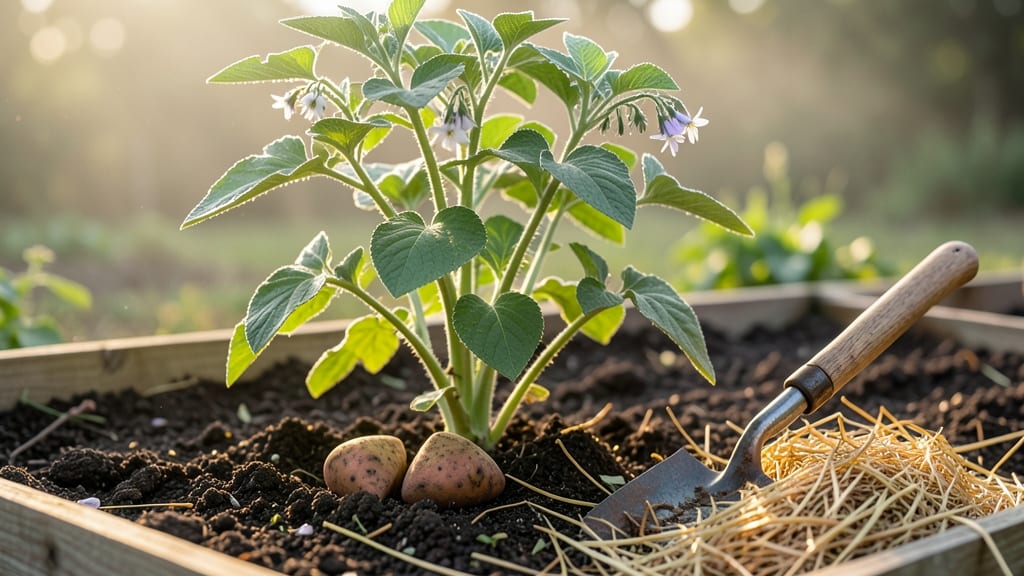
Best planting times for potatoes in north Carolina by variety type
North Carolina’s diverse climate—from the Coastal Plain to the Mountains—means potato planting times vary by USDA zones 7a-8b. Early varieties like Red LaSoda thrive with early March planting, while late varieties such as Purple Viking can wait until mid-April.
The key? Plant 4-6 weeks before your last frost date (typically March 15 in most regions).
For a staggered harvest, consider planting early, mid-season, and late varieties in succession. This spreads out your yield and reduces risk from late frosts or drought.
For example, Yukon Gold (mid-season) planted in late March will harvest in June-July, while Kennebec (late) planted in early April matures in July-August.
North Carolina’s three distinct regions also influence timing. In the Coastal Plain (Zone 8a), warmer soils allow planting as early as February for heat-tolerant varieties like Sweetheart. Meanwhile, the Mountains (Zone 7a) may need to wait until late March due to cooler soils and later frost risks.
Soil temperature is critical—potatoes won’t sprout until soil reaches 45°F. Use a soil thermometer to confirm readiness. If temperatures fluctuate, opt for cold-hardy varieties like Katahdin or delay planting until soil warms consistently.
Summer planting is also possible for a fall harvest. Plant late July to early August for varieties like LaRouge, which mature by October-November before the first frost. This works best in southern NC where summers are longer.
North Carolina Potato Planting Guide by Variety
| Variety Type | Planting Window | Days to Maturity | Best Region | Harvest Time |
|---|---|---|---|---|
| Early (Red LaSoda) | Early March | 70-90 days | Piedmont/Mountains | Late May-June |
| Mid-Season (Yukon Gold) | Late March-April | 90-110 days | All Regions | June-July |
| Late (Purple Viking) | Early April | 110-130 days | Coastal Plain | July-August |
| Summer (LaRouge) | Late July-August | 90-100 days | Southern NC | October-November |
Note: Adjust dates 1-2 weeks earlier for Coastal Plain or later for Mountains.
For container gardening, plant seed potatoes in 5-gallon buckets by the same timeline but use well-draining potting mix. Containers warm faster than ground soil, so you can plant 1-2 weeks earlier in Zone 8a areas. Just ensure containers have drainage holes to prevent rot.
Pro tip: Check the NC State Extension’s frost date map for your specific county. For example, Asheville (Zone 7a) may have late April last frosts, while Raleigh (Zone 7b) averages mid-March. Local data beats general rules!
If you’re new to growing potatoes, start with certified seed potatoes (not grocery-store spuds) from regionally adapted nurseries like Johnny’s Selected Seeds or Southern Exposure Seed Exchange. These sources offer varieties bred for NC’s climate challenges.
Remember: Soil prep matters just as much as timing. Work in compost and sand if your soil is heavy clay, and choose a sunny, raised bed spot for best results. With the right timing and care, you’ll enjoy homegrown potatoes all season long!
🥔
How to adjust planting dates for north Carolina’s unpredictable spring weather
North Carolina’s spring weather can be as unpredictable as a toddler’s mood—one day it’s sunny and warm, the next you’re shivering through a late frost. If you’ve ever planted potatoes only to watch them crisp under a surprise freeze, you know how frustrating this can be. The key to success lies in flexibility and preparation, so let’s dive into strategies to protect your crop and adjust your planting schedule when Mother Nature throws curveballs. First, always check the NC State Extension’s frost date maps for your specific region. The last average frost date ranges from mid-March in the Coastal Plain to early April in the Mountains, but these dates are just averages. A late frost in April or an early heatwave in March can throw off even the most careful gardener. My trick? Plant a test row of early varieties like Red LaSoda two weeks before your target date. If it survives, you’ve got the green light for the rest of your potatoes!
Late Frost Risk: If frost is forecasted within 48 hours of planting, delay until soil warms to 45°F (7°C) at 4" depth. Use row covers or a cold frame to create a microclimate for early plantings.
Protecting Your Potatoes: If frost is in the forecast after planting, cover rows with lightweight row fabric or old bedsheets secured with bricks. Remove covers during the day to allow sunlight, and replace them at dusk. This trick can save your plants even if temperatures drop to 28°F (-2°C)!
Finally, keep a gardening journal to track your local frost dates, soil temperatures, and planting outcomes. Over time, you’ll spot patterns unique to your microclimate—maybe your garden warms up faster than the Extension’s averages suggest, or perhaps your soil stays cold longer due to shade. Sharing notes with neighbors or local gardening groups can also provide valuable insights. After all, knowledge is the best frost protection you can have!Remember: North Carolina’s weather is as diverse as its gardening communities. What works in Asheville won’t always work in Wilmington, so stay flexible and adapt your strategy each year. With the right adjustments, you’ll be harvesting golden potatoes come summer—no matter what spring throws at you! 🌱☀️✂️