
Plants
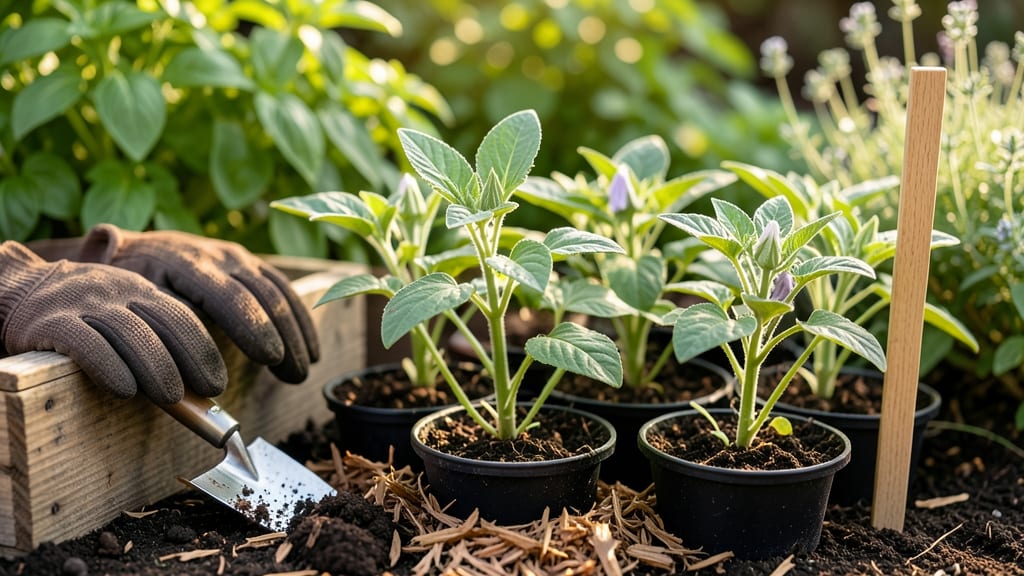
Timing your eggplant 🍆 planting in Southern California isn’t just about avoiding frost—it’s about mastering the delicate balance between coastal chill and inland heat.
Plant too early in coastal areas, and your seedlings will languish in foggy delays; wait too long inland, and the summer sun might stress your plants before they even fruit.
If you’ve ever stared at your garden calendar wondering when to plant eggplant in Southern California, you’re not alone. The key lies in understanding your microclimate—whether you’re in the 9b-10b coastal zones or the hotter inland valleys.
With the right strategy, you can stretch your harvest from June through December, but get it wrong, and you’ll end up with bitter, stunted plants.
I’ve grown eggplants here for years, and the difference between a thriving patch and a failed attempt often comes down to soil temperature and planting windows.
Most gardeners swear by March–May for spring crops, but inland growers can push it even earlier, while coastal gardeners might need to wait until April. The secret? Start seeds indoors 6-8 weeks before your target transplant date.
In this guide, I’ll break down the exact coastal vs. inland planting schedules, plus pro tips for extending your season—whether you’re battling coastal winds or inland heat. Let’s get those eggplants growing like a pro.
Southern California eggplant planting zones: coastal vs inland timing differences
Southern California’s microclimates create dramatic differences in eggplant success. Coastal areas like Santa Barbara and San Diego (USDA Zones 9-10) experience cooler, foggy mornings, while inland valleys like Coachella and Palm Springs (Zones 10-11) bake under intense summer sun.
These variations mean your planting window could shift by 4-6 weeks depending on location.
For coastal gardeners, the ideal transplant window opens in March when daytime highs consistently reach 70°F+. Inland growers can start as early as February thanks to warmer soils. The key is soil temperature, not air temperature—eggplant seeds need 70°F+ soil to germinate reliably.
🌱 Pro Tip: Use a soil thermometer to verify readiness. Coastal soils often stay cool longer due to ocean breezes, while inland soils warm faster in direct sunlight.
| Factor | Coastal Zones (9-10) | Inland Zones (10-11) |
|---|---|---|
| Best Transplant Window | March 15 - April 15 | February 15 - March 30 |
| Soil Temp Requirement | 70°F+ (takes longer to warm) | 70°F+ (warms quickly in sun) |
| Heat Tolerance Threshold | Up to 85°F (afternoon shade helps) | Up to 100°F (needs afternoon shade) |
| Frost Risk | None (but coastal fog delays growth) | None (high desert exceptions) |
| Second Planting Window | August 1 - September 15 | July 15 - August 30 |
Coastal gardeners should aim for spring transplants by April 1 to avoid summer heat stress. The second planting window in late summer (August-September) works well for both zones but requires shade cloth in inland areas where temps exceed 90°F regularly.
Eggplants are heat-sensitive—prolonged exposure above 95°F causes blossom drop and poor fruit set.
Inland growers can push the envelope with succession planting every 2-3 weeks from February through May. This staggered approach ensures a continuous harvest through October.
For coastal gardeners, focus on one main planting in spring and a small fall batch in August to avoid summer's coastal fog, which slows growth.
🌡️ Critical Note: Even in frost-free Southern California, coastal winds can stunt eggplants. Use windbreaks or plant near tall companion plants like sunflowers to protect young seedlings.
For both zones, soil preparation is non-negotiable. Amend your soil with compost and a balanced fertilizer (5-10-10) before planting. Coastal soils benefit from organic matter to improve drainage, while inland soils may need gypsum to prevent crusting from frequent watering.
🌿 Variety Tip: Choose compact varieties like 'Fairy Tale' or 'Patio Baby' for containers if you're in a windy coastal area. These stay under 2 feet tall and produce well in 5-gallon pots.
Remember: Eggplants are warm-season crops that hate cold soil. If your coastal area experiences unusually cool springs (like 2023's delayed warming), consider starting seeds indoors 8-10 weeks before transplanting to give them a head start.
Southern California eggplant planting zones: coastal vs inland timing differences
Southern California’s microclimates create dramatic differences in eggplant planting success. Coastal areas like Santa Barbara or San Diego (USDA Zones 9-10) experience cooler evenings and ocean breezes, while inland valleys like Coachella or Riverside (Zones 10-11) hit 100°F+ regularly.
These variations mean your planting window could shift by 3-4 weeks depending on location.
For coastal gardeners, March 15-April 15 is ideal for starting seeds indoors or transplanting young plants. Inland areas can begin 2 weeks earlier (late February) because soil warms faster. Both regions benefit from a second planting window in mid-August to harvest before winter rains arrive.
Soil temperature is your best guide—not the calendar. Eggplants need 70°F (21°C) soil to germinate. Coastal gardeners should wait until April 1 to avoid chilly coastal fog stunting growth. Inland gardeners can plant as early as February 15 when soil hits 68°F (20°C).
| Factor | Coastal (Zones 9-10) | Inland (Zones 10-11) |
|---|---|---|
| Ideal Planting Window | March 15-April 15 | February 15-March 30 |
| Soil Temp Threshold | 70°F (21°C) | 68°F (20°C) |
| Key Risk | Coastal fog delays | Heat stress above 95°F |
| Second Planting | August 15-September 1 | August 1-August 15 |
| Harvest Window | June-October | May-November |
Inland gardeners should prioritize shade cloth (30-50%) during peak afternoon heat to protect young plants. Coastal growers benefit from windbreaks made of bamboo or plastic mesh to shield transplants from salty ocean winds. Both regions should avoid planting near tomatoes, as they share diseases like verticillium wilt.
For container growing, coastal gardeners can extend seasons by using black plastic pots (absorbs heat) and moving containers indoors during unusually cold snaps (below 50°F). Inland containers need extra watering (2-3 gallons daily in summer) to prevent blossom drop from heat stress.
Remember: Eggplants thrive on consistency. Whether you're in Malibu or Palm Springs, maintain even moisture and mulch heavily to keep roots cool. With the right timing, you’ll enjoy homegrown eggplants from June through November—just in time for summer dishes! 🍆