
Plants
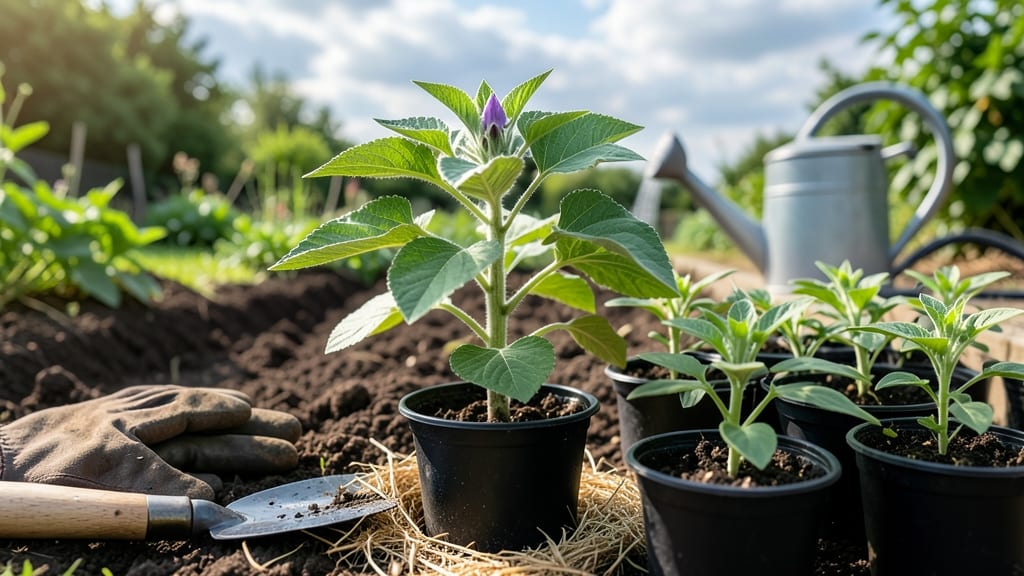
Planting eggplant in California might seem simple—after all, the Golden State’s warm climate practically begs for these sun-loving 🍆 plants. But timing your eggplant transplant just right can mean the difference between a thriving harvest and a sad, wilted disappointment.
Since frost isn’t usually the issue here, the real challenge is balancing soil warmth, summer heat, and regional microclimates that range from coastal breezes to desert dryness.
Whether you’re in the Central Valley’s 9b zones, the coastal 10s, or the desert’s 10a-11 stretches, knowing when to plant is key. Start too early, and your seedlings will languish in cool soil; wait too long, and you’ll miss the sweet spot before fall temperatures drop.
I’ll break down the best months to transplant—plus how to prep your soil and seedlings for success—so you can enjoy homegrown eggplant from May through October.
You don’t need a degree in horticulture to nail this. With the right planting window and a few pro tips, even beginners can grow eggplants that rival the ones at the farmers’ market.
Let’s dive into the heat-zone map that’ll help you pick the perfect time to get those seedlings in the ground—no guesswork required.
Ready to grow eggplants that thrive in California’s climate? The secret starts with the calendar—and I’ve got the exact dates and tricks to make it happen. Let’s get those 🍆 plants growing like pros!
California eggplant planting dates by heat zone: avoid frost & heat stress
California’s diverse climate—from coastal fog to desert heat—means eggplant planting dates vary dramatically by region. Unlike frost-prone states, California’s USDA zones 9b-11 offer year-round growing potential, but heat stress and soil warmth are the real challenges.
I’ll break down the optimal planting windows for each heat zone, including when to start seeds indoors and when to transplant outdoors for maximum yield.
For most of California, the ideal planting window spans from mid-March to early September, but coastal areas (like San Francisco) can plant as early as February, while desert regions (like Palm Springs) may wait until April.
The key is ensuring soil temperatures stay above 60°F—eggplants are tropical and won’t germinate in cool soil. Let’s dive into the specifics for your zone.
| California Heat Zone | USDA Zone | Indoor Seed Start | Outdoor Transplant | Late-Season Replant | Key Notes |
|---|---|---|---|---|---|
| Coastal (San Francisco, Santa Barbara) | 10 | Feb 15 - Mar 15 | Mar 1 - Apr 15 | Aug 15 - Sep 15 | Cool nights; use black plastic mulch |
| Central Valley (Sacramento, Fresno) | 9b | Mar 1 - Apr 1 | Apr 15 - May 1 | Jul 1 - Aug 15 | Hot days; shade cloth for seedlings |
| Southern California (Los Angeles, San Diego) | 10a-11 | Jan 15 - Feb 15 | Feb 1 - Mar 15 | Sep 1 - Oct 1 | Year-round potential; watch for heat stress |
| Desert (Palm Springs, Joshua Tree) | 10a-11 | Mar 1 - Apr 1 | Apr 15 - May 15 | Aug 1 - Sep 1 | Extreme heat; drip irrigation essential |
If you’re in Southern California (USDA 10a-11), you can push the envelope further—planting as early as January for a spring harvest or even September for a fall crop. The trick is to monitor soil temperatures with a thermometer; eggplant seeds need 70°F+ soil to germinate reliably.
In desert regions, shade cloth during the hottest afternoon hours can prevent heat stress on young seedlings.
For Northern California (USDA 9b), like the Central Valley, aim to transplant seedlings by mid-April to avoid the brief cool snaps that can linger into spring. A black plastic mulch will warm the soil faster and give your eggplants a head start.
Pro tip: In hot inland areas, raise beds to improve drainage and prevent root rot from summer downpours.
One strategy I’ve used with success is staggered planting. Instead of one big transplant, I plant a few seedlings every 2-3 weeks from April through June. This ensures a continuous harvest and spreads out the risk of pest infestations or heatwaves taking out your entire crop.
For example, in San Diego (USDA 10b), I’ll plant the first batch in February, then follow up in April and June for a fall harvest.
Don’t overlook late-summer replanting either. Even in frost-free zones, eggplants can struggle as temperatures climb above 95°F. By planting a second crop in August, you’ll catch the cooler fall weather, which is ideal for fruit development.
In coastal areas like Santa Barbara, this means a harvest as late as November—just in time for holiday dishes!
For container gardening in urban areas, adjust your timeline slightly. Containers heat up faster, so I recommend starting seeds 2-3 weeks earlier than the table suggests. Use 5-gallon pots minimum and place them in morning sun
Signs your eggplant is ready to plant: soil, temperature & seedling checks
Before rushing to plant your eggplant seedlings, check three critical factors: soil temperature, frost risk, and seedling maturity. Eggplants demand warmth—soil must reach 60°F+—and can’t tolerate even light frost.
In California’s varied climates, this means waiting until mid-April for coastal areas or late March for inland valleys.
Use a soil thermometer to verify warmth. Stick it 2 inches deep in your garden bed—consistent 70°F+ readings signal readiness. Coastal regions often hit this mark by May, while desert areas may be ready as early as February.
Pro tip: Black plastic mulch warms soil faster if you’re eager to plant early.
Even a light frost (28°F) can kill eggplants. Check your local frost dates—most of California avoids frost year-round, but high deserts (USDA 10a-11) may see chilly nights in December-January. Plant after your last frost date or use row covers for extra protection.
Seedlings need 4-6 weeks of indoor growth before transplanting. Look for 12+ inch-tall plants with 4-6 true leaves and a sturdy stem. If leaves are yellowing or stems are leggy, they’ve been overcrowded or underlit.
Harden off seedlings by placing them outdoors for 2-3 hours daily over 7-10 days, gradually increasing exposure.
Transplant on a cloudy day to reduce stress. Space 18-24 inches apart in rows 3 feet apart to allow airflow and prevent fungal diseases. Amend soil with compost for fertility—eggplants thrive in well-draining, slightly acidic soil (pH 6.0-6.8).
Mulch with straw or grass clippings to retain moisture and suppress weeds.
Watch for pest signs like chewed leaves (flea beetles) or yellowing foliage (aphids). If seedlings show stress, delay planting until conditions improve. Southern California gardeners can often plant year-round, but Northern California’s shorter summers demand precise timing to finish harvests before fall rains arrive.
For container gardening, use pots at least 12 inches deep with drainage holes. Eggplants in pots dry out faster—water every 1-2 days in summer. Place containers in full sun and rotate weekly for even growth. With these checks, your eggplants will thrive from transplant to harvest!