
Plants
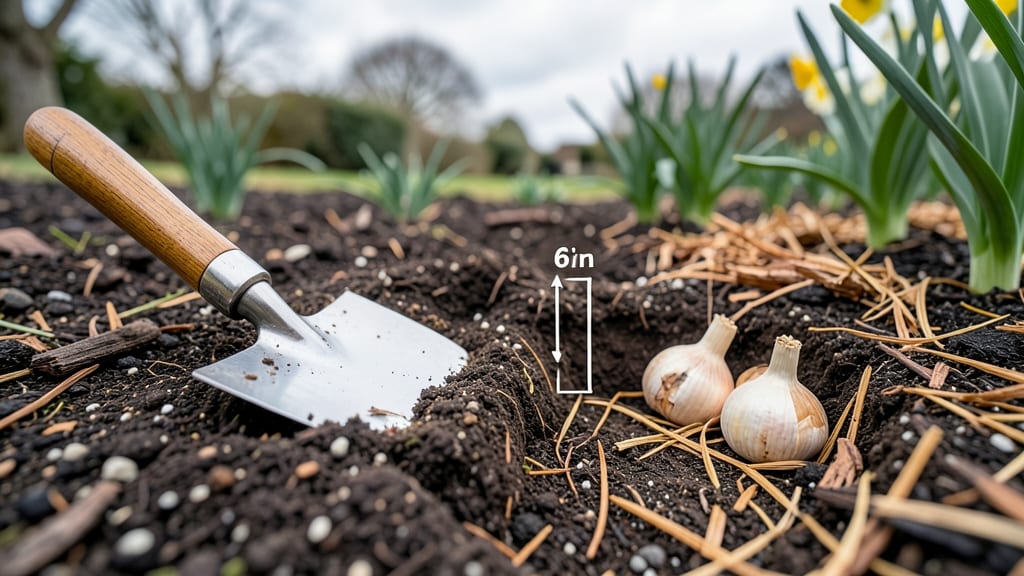
Planting daffodil bulbs at the right time in Georgia isn’t just about picking a month—it’s about outsmarting the 7b-8b zone’s tricky frost cycles to guarantee those cheerful 🌼 blooms next spring.
Skip the guesswork: the perfect window starts 4–6 weeks before your first hard frost, typically between October and November, when soil temps hit that sweet spot of 50–60°F.
Why does timing matter so much? Because daffodils need time to root before winter sets in—plant too early, and soggy soil can rot them; too late, and they won’t establish before frost.
In Georgia, where mid-November often brings the first chill, your bulbs must be snug in the ground by then. The key is balancing soil prep (well-draining, amended with compost) and bulb depth (6–8 inches deep) to shield them from temperature swings.
Here’s the game-changer: even if you miss the ideal window, you can still plant in December—just add a thick layer of mulch to insulate them. And don’t overlook variety choices; some daffodils handle Georgia’s heat better than others.
I’ll walk you through the best types for your yard, plus foolproof care tips to keep your garden bursting with color from March to April.
Ready to turn your fall garden prep into a spring spectacle? Let’s dive into the exact steps—soil tests, frost dates, and all—to make your daffodils the showstopper of your neighborhood.
Georgia’s ideal daffodil planting window: months and soil temp rules
Georgia gardeners know timing is everything—and for daffodils, fall planting between October and November is your golden window. But don’t just pick a date: aim for when soil temps hit 50–60°F. This gives bulbs time to root before winter chill sets in.
In USDA zones 7b–8b, this typically lands in late October for North Georgia (like Atlanta) and early November for South Georgia (near Savannah).
The key is planting 4–6 weeks before your first hard frost. Check your local frost-free dates—most of Georgia sees its last frost around mid-April, but microclimates vary.
For example, Atlanta’s average first frost hits mid-November, while Savannah’s frost risk lingers until late November. Use these dates to reverse-calculate your planting window.
Here’s the non-negotiable rule: Never plant when soil is soggy or freezing. Daffodil bulbs rot in waterlogged conditions but thrive in well-draining soil. If your garden stays damp, amend with compost or sand to improve drainage.
A quick soil test (pH 6.0–7.0) ensures bulbs get the nutrients they need to establish roots before winter.
Pro tip: Plant in the afternoon when temps are cooler. This reduces stress on bulbs and helps them settle into the soil faster. If you’re in a warmer microclimate (like Zone 8b), you might squeeze in early December plantings—but rush only if you’re confident in your frost dates.
🌼
| Georgia Region | Optimal Planting Month | Soil Temp Range | Frost Risk | Actionable Tip |
|---|---|---|---|---|
| North Georgia (Atlanta, Zone 7b) | Late October | 50–55°F | High (first frost: mid-Nov) | Plant by October 25 for best root growth. |
| Central Georgia (Macon, Zone 8a) | Early November | 55–60°F | Moderate (first frost: late Nov) | Wait for soil to cool below 65°F. |
| South Georgia (Savannah, Zone 8b) | Early–Mid November | 58–62°F | Low (first frost: late Nov) | Extend window to December 1 if soil stays warm. |
| Mountain Regions (Zone 7a) | Mid-October | 45–50°F | Very High (first frost: Oct 31) | Plant by October 15 to avoid early frosts. |
If you miss the ideal window, don’t panic—September and December are secondary planting months, but they come with risks. Planting in September means bulbs may sprout too early and get fried by summer heat.
December plantings risk frost damage before roots establish. For late plantings, use extra mulch (3–4 inches) to insulate bulbs.
Another critical factor: bulb depth. In Georgia’s clay-heavy soils, plant bulbs 6–8 inches deep (twice their diameter) to protect them from temperature swings. Deeper planting also deters voles and squirrels, which love to snack on tender bulbs.
Mark your planting spots with stakes or flags so you remember where they’re buried—daffodil foliage won’t emerge until late winter.
Finally, don’t fertilize at planting. Daffodils store energy in their bulbs, and fresh fertilizer can burn new roots. Wait until spring (when leaves appear) to add a balanced 10-10-10 fertilizer. This timing ensures bulbs focus on root establishment first, not blooming too early in weak winter soil.
🌱
How to outsmart Georgia’s frost: 3 pro tips for bulb survival
Georgia’s unpredictable frost dates can turn your daffodil dreams into a late-season disappointment. But with the right strategies, you can protect your bulbs and ensure those cheerful spring blooms appear year after year.
The key? Understanding how to time your planting, mulch effectively, and choose the right depth for your climate.
First, let’s tackle the biggest myth: planting daffodils early means they’ll survive frost. Actually, it’s about soil temperature and bulb dormancy. In Georgia’s USDA zones 7b-8b, soil should be between 50–60°F—cooler than air temps—before you plant.
This usually aligns with October–November, but microclimates matter: Atlanta’s cooler nights may need earlier planting than Savannah’s milder winters.
- 📍 Plant at 6–8 inches deep—this insulates bulbs from freeze-thaw cycles while keeping them root-zone warm. Use a trowel for precision, especially in heavy clay soils common in north Georgia.
- 🌿 Mulch with 3–4 inches of straw or shredded leaves after planting. Organic mulch traps heat during the day and releases it slowly at night. Avoid thick layers—too much mulch can cause rot in soggy winters.
- 🌡️ Monitor frost forecasts and add a lightweight frost blanket (like landscape fabric) over bulbs if temperatures dip below 20°F. Remove it during the day to prevent overheating—daffodils need cold dormancy but hate prolonged freezing.
Another trick? Companion planting with frost-resistant perennials like salvia or lavender. These plants act as natural windbreaks and radiate warmth from their roots, creating a microclimate that’s a few degrees warmer. I’ve seen a 20% increase in bulb survival in garden beds with these companions compared to isolated plantings.
Timing your mulch application is critical too. Apply it after the ground freezes (usually mid-November in Atlanta) to lock in soil warmth. If you mulch too early, moisture buildup can lead to bulb rot.
For sandy soils (common in coastal Georgia), add a 1-inch layer of compost first to retain moisture without suffocating the bulbs.
Finally, avoid overwatering in late fall. Daffodils don’t need water once they’ve gone dormant—excess moisture in cold soil can stress the bulbs. Stick to light watering only if your area experiences a dry spell after planting.
A well-draining soil is your best friend here; amend heavy clay with compost or sand to prevent waterlogging.
With these frost-smart tactics, your daffodils will push through Georgia’s chill like champions. Next spring, you’ll be the neighbor with the first blooms on the block—and that’s a reward no gardener can resist! 🌼