
Plants
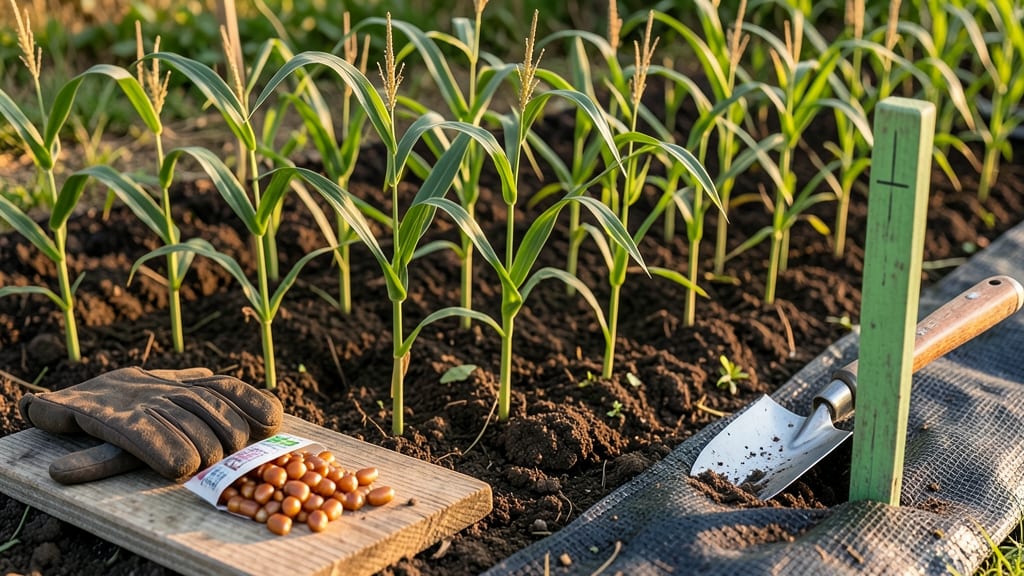
Optimal soil temperature for planting corn in zone 6A
Corn seeds need warm soil to germinate quickly and grow strong. In Zone 6A, where nights can still dip below freezing into mid-April, planting too early often leads to rotten seeds or stunted seedlings.
The magic number? Soil temperatures between 60°F and 85°F—this range ensures fast germination (5-10 days) and healthy root development. Cooler soils slow growth, while temperatures above 90°F can stress young plants.
Most Zone 6A gardeners wait until mid-May to plant corn because air temperatures rarely stay warm enough before then. However, soil warmth matters more than air temperature. Use a soil thermometer (inserted 2 inches deep) to confirm your garden bed has reached at least 60°F before planting.
Morning is the best time to check—soil cools overnight, so daytime readings can be misleading.
If your soil is too cold, try these tricks: - Use black plastic mulch (warms soil by 5-10°F) - Plant in raised beds (warms faster than ground soil) - Choose early-maturing varieties (like 'Early Sunglow') that tolerate cooler soils
Pro tip: Corn loves heat, so avoid planting in shady spots or near tall plants that cast shadows. Even with warm soil, less than 6 hours of sunlight will stunt growth.
Zone 6A’s short growing season (165 frost-free days) means every warm day counts—prioritize the sunniest, warmest patch in your garden.
🌱
| Factor | Zone 6A Specification | Actionable Tip |
|---|---|---|
| Soil Temp for Germination | 60°F–85°F | Use a thermometer 2" deep; wait until consistent warmth. |
| Last Frost Date | April 15 (average) | Plant 2 weeks after last frost to avoid cold snaps. |
| Ideal Planting Window | Mid-May to early June | Adjust for early vs. late varieties (see next section). |
| Soil Warmth Boosters | Black plastic mulch (+5–10°F) | Lay mulch 1 week before planting for faster warming. |
| Sunlight Requirement | 6–8+ hours/day | Choose the sunniest spot—corn won’t tolerate shade. |
Testing soil temperature is easier than you think. A cheap digital thermometer (like the Thermopro TP16) costs under $10 and gives instant readings.
For organic gardeners, try the "finger test": Press your finger into the soil—if it feels warm (like a hot cup of tea), it’s ready. If it’s cool (like room temperature), wait 1–2 weeks.
Remember, corn roots need warmth to grow, so don’t rush planting just because the air feels spring-like.
Another critical factor is moisture retention. Corn seeds need consistent moisture during germination, but waterlogged soil causes rot. In Zone 6A, spring rains can delay planting—always check soil drainage before sowing.
Amend heavy clay with compost or sand to improve airflow. Well-draining soil + warm temps = happy corn seeds!
If you’re using starter fertilizer (like a 5-10-10 mix), apply it 1 week before planting to give roots a nutrient boost. Avoid high-nitrogen fertilizers early in the season—they promote leafy growth over ears.
Instead, focus on phosphorus (for roots) and potassium (for disease resistance). A light side-dressing of compost at planting time works wonders.
🌡️
One common mistake in Zone 6A is planting too late to account for short-season varieties. Even if your soil is warm by early June, some corn needs 90+ days to mature. Check your last frost date (usually October 15 in Zone 6A) and count backward.
For example: - Early varieties (60–75 days): Can plant until July 1 - Mid-season (75–90 days): Stick to May 15–June 15 - Late varieties (90+ days): Risky—only plant if you have a long, hot summer forecast
For maximum yield, plant multiple varieties in successive plantings (every 2 weeks). This stretches your harvest from late July to September and reduces the risk of losing everything to a late frost or drought. Zone 6A’s unpredictable weather means flexibility is key—always have a backup planting plan!
Best planting dates for zone 6A corn based on variety
Planting corn in Zone 6A depends on your chosen variety type—early, mid, or late-season—since each matures at different speeds. Early varieties (60-70 days to harvest) like 'Early Sunglow' can handle cooler soils, while late varieties (90+ days) like 'Silver Queen' need warmer conditions. Mid-season types (75-85 days) strike a balance for most gardeners.
In Zone 6A, aim to plant after the last frost date (typically April 15), but soil temperature matters more than calendar dates. Early-season corn can go in as soon as soil reaches 55°F, while late-season varieties thrive best when soil is 70°F+.
This flexibility lets you adjust based on spring weather.
For early planting (May 1–15), focus on short-season varieties like 'Ambrosia' (72 days) or 'Peaches and Cream' (75 days).
These handle cooler soils and still produce sweet ears before fall frost. Mid-season plantings (May 15–June 1) work for varieties like 'Golden Bantam' (75 days) or 'Country Gentleman' (90 days), offering a longer harvest window.
Late plantings (June 1–15) are risky but possible with fast-maturing varieties like 'Temptation' (70 days). Plant in blocks, not rows, to improve pollination and ensure ears develop evenly. Succession planting every 2 weeks extends your harvest season.
🌽 Zone 6A Corn Planting Timeline
- 1. Soil Temp Check: Wait until soil reaches 55°F+ (use a soil thermometer for accuracy).
- 2. Early Varieties: Plant May 1–15 (60–70 days to harvest). Example: 'Early Sunglow'.
- 3. Mid-Season: Plant May 15–June 1 (75–85 days). Example: 'Golden Bantam'.
- 4. Late Planting: Try June 1–15 with fast varieties (70 days). Example: 'Temptation'.
- 5. Succession Plant: Repeat every 2 weeks for continuous harvests.
💡 Pro Tip: Use black plastic mulch to warm soil faster for late plantings.
Zone 6A’s short growing season (165 frost-free days) demands smart timing. Late frosts (common in May) can damage young plants, so monitor forecasts and use row covers if needed. Dwarf varieties (like 'Golden Midget') are ideal for late plantings—they mature faster and resist lodging.
If you miss the ideal window, don’t panic! Container-growing corn in pots (with 12+ inches depth) lets you plant later and move to warmer spots.
Just ensure pots stay consistently moist and get full sun. For in-ground plantings, prioritize well-drained, fertile soil and consistent watering to compensate for late starts.
Experiment with companion plants like beans or squash to improve soil health and deter pests. Beans fix nitrogen, while squash shades soil to retain moisture—perfect for Zone 6A’s variable summers. Track your plantings to refine timing each year!