
Plants
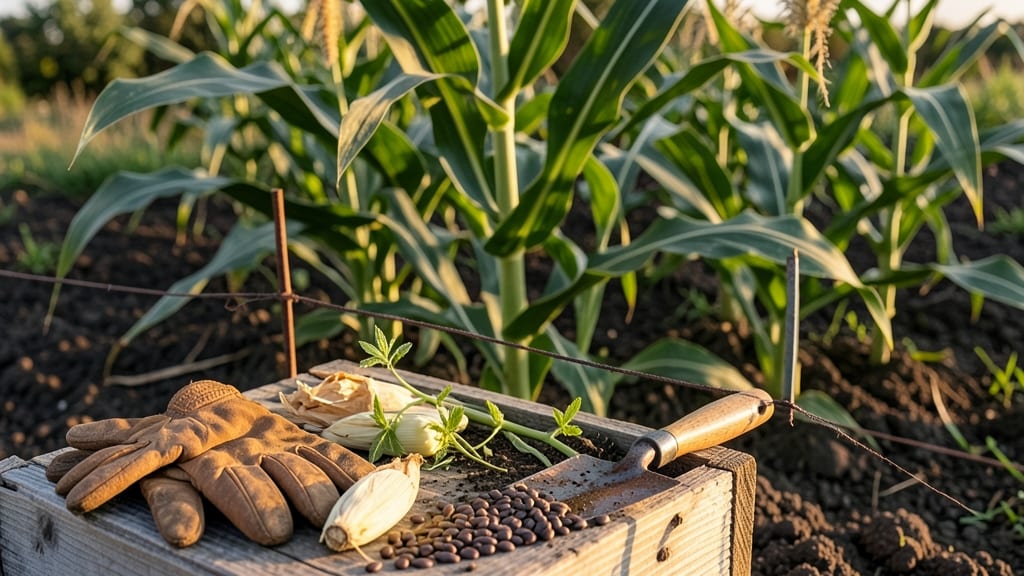
Figuring out when to plant corn in WV can feel like guessing whether your favorite football team will win—because West Virginia’s spring weather throws curveballs faster than a pitcher in a close game. One day it’s warm enough to plant, the next you’re shoveling snow off your porch.
But here’s the good news: with the right timing, you can grow sweet, plump ears of 🌽 that’ll make your neighbors jealous.
The key to success starts with soil temperature—corn needs the ground to be at least 60°F before you stick those seeds in. That usually lands you in mid-April to late May, but don’t rush it.
Planting too early in cold soil means seeds rot instead of sprouting, and nobody wants to waste their hard-earned gardening dollars. In WV’s 6a zone, last frost dates vary by region, so knowing your local microclimate (mountains vs. valleys) makes all the difference.
I’ve learned the hard way that skipping this step leads to sad, stunted plants—or worse, no plants at all. Whether you’re in Charleston, Morgantown, or the Panhandle, this guide will help you pinpoint the exact window for your area.
We’ll also cover how to adjust for late frosts, pick the right varieties, and even save money by extending your growing season with simple tricks. Ready to turn your backyard into a cornfield goldmine? Let’s get started.
By the end, you’ll know exactly when to grab your seed packet, how deep to bury those kernels, and why some years your corn grows like a skyscraper while others barely reach knee-high.
Spoiler alert: it’s not just about the calendar—it’s about reading your soil and weather like a pro. Let’s make this your best corn-growing season yet!
West Virginia corn planting dates by soil temperature & frost risk
Timing your corn planting in West Virginia depends on two critical factors: soil temperature and frost-free dates. Corn seeds won’t germinate well in cold soil, so waiting for the ground to reach at least 50°F (10°C) is essential.
Most WV regions hit this mark between mid-April and early May, but mountainous areas like the Allegheny Highlands may need to wait until late May.
For best results, plant corn after your area’s average last frost date. In Charleston, this is around April 15, while Morgantown and Beckley typically see their last frost by April 20-25.
Using a soil thermometer is the most accurate way to confirm readiness—corn seeds need 60°F (16°C) soil for optimal germination.
West Virginia spans USDA Hardiness Zones 5b to 7a, creating microclimates that affect planting. The Panhandle region (Zone 6b) can plant earlier, while the Northern Mountains (Zone 5b) often need to delay until late May.
Below is a detailed breakdown of planting windows by region, including frost-free averages and ideal soil temperatures.
| Region | USDA Zone | Avg. Last Frost | Ideal Planting Window | Soil Temp Requirement |
|---|---|---|---|---|
| Panhandle (e.g., Martinsburg) | Zone 6b | April 10-15 | Mid-April to early May | 50°F+ (10°C+) |
| Northern (e.g., Morgantown) | Zone 6a | April 15-20 | Late April to mid-May | 55°F+ (13°C+) |
| Southern (e.g., Charleston) | Zone 7a | April 5-10 | Late March to early April | 50°F+ (10°C+) |
| Mountainous (e.g., Beckley) | Zone 5b | May 1-10 | Late May to early June | 60°F+ (16°C+) |
If you’re planting in elevated areas above 3,000 feet, like parts of Monongalia County, consider using early-maturing varieties (e.g., ‘Early Sunglow’) to ensure harvests before first frost in mid-October. These varieties take just 60-70 days to mature, giving you a buffer against WV’s unpredictable fall weather.
For gardeners in Zone 7a (Southern WV), you can even attempt a late-summer planting in early June for a fall harvest. However, choose short-season varieties like ‘Bodacious’ (75 days) to avoid frost damage. Just be prepared for shorter daylight hours, which may slow growth.
Pro tip: Use a frost watch from the National Weather Service or local agricultural extensions (like WVU Extension) to track late-spring frosts. These can occur as late as May 10 in some mountain valleys, so have row covers ready to protect young seedlings.
Corn thrives in warm soil and consistent moisture, so avoid planting too early—even if the air feels warm. Cold soil can cause seeds to rot or sprout unevenly. Aim for two weeks after your last frost date to balance risk and reward.
🌽
How to adjust corn planting for WV’s microclimates & weather patterns
West Virginia’s diverse geography—from the Appalachian Mountains to the Panhandle’s flatlands—creates unique microclimates that affect corn planting. Higher elevations like Beckley (3,000 ft) have cooler soils and later frost dates, while lower areas like Charleston (600 ft) warm up faster. Adjust your planting strategy to match your local conditions.
For mountainous regions, plant early-maturing varieties like ‘Peaches and Cream’ (75 days) or ‘Silver Queen’ (85 days) to avoid fall frosts. These varieties thrive in shorter growing seasons and can produce ears before October’s first frost.
In the Panhandle, where springs arrive earlier, you can plant standard varieties like ‘Golden Bantam’ (60 days) as early as mid-March.
Use a soil thermometer to confirm 50°F+ soil temperatures before planting. In cooler areas, wait until late April or early May when soil temps consistently stay above 60°F. Cold soil slows germination and increases disease risk.
For extra protection, use row covers or black plastic mulch to warm the soil faster and shield seedlings from late-spring frosts.
Extend your growing season by planting successive crops every 2 weeks through mid-June. This staggered approach ensures a steady harvest from late July to September. In high-altitude areas, focus on fall harvests by choosing fast-maturing sweet corn varieties that can reach maturity before October’s frost.
If your area experiences unpredictable rain, opt for drought-tolerant varieties like ‘Bodyguard’ or ‘Pioneer 39T03’. These hybrids handle WV’s variable summer weather better than standard types. Always plant in well-draining soil to prevent root rot, especially in clay-heavy areas like the Northern Panhandle.
For container growing in urban WV gardens, use large pots (10+ gallons) and plant bush varieties like ‘Golden Cross Bantam’. These compact plants thrive in limited space and can be moved to sunniest spots as needed.
Just ensure they get full sun (6+ hours) and consistent watering to mimic in-ground conditions.