
Plants
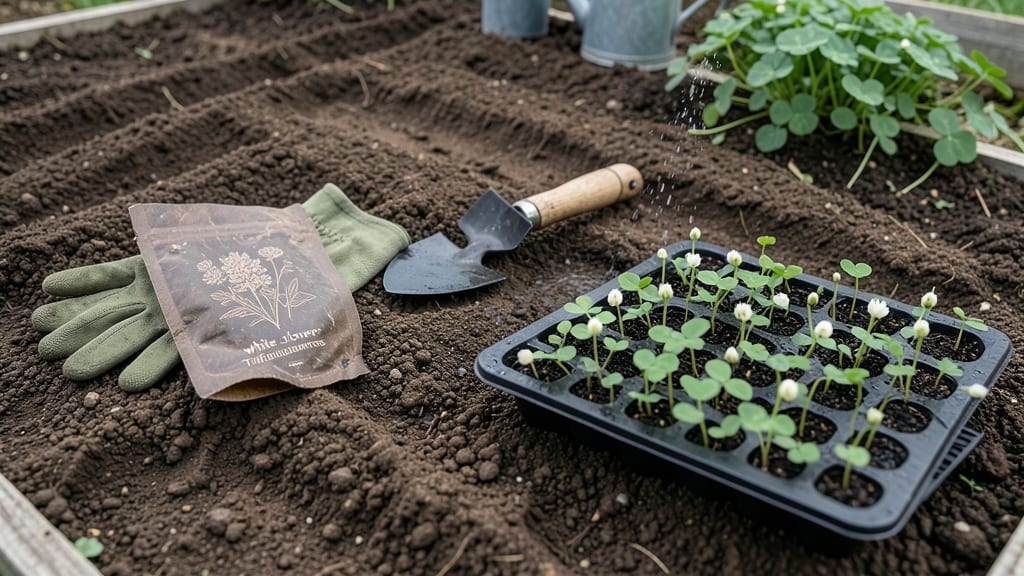
Timing your clover planting in spring is the secret weapon for a thriving, fast-growing lawn or garden—get it right, and you’ll see vibrant growth within weeks. Unlike finicky annuals, clover is tough but still needs the perfect window to avoid frost damage or sluggish starts.
Most gardeners in USDA Zone 6a (like me!) should aim for early to mid-spring, when soil temperatures hit at least 50°F. That’s usually right after your last frost date—think late March or early April in many regions.
But don’t wait too long, or you’ll miss the sweet spot for rapid establishment.
Here’s the game-changer: clover thrives when planted 2–4 weeks before your average last frost, giving it time to root before summer heat arrives. Whether you’re sowing seeds or laying sod, this guide will help you pick the exact moment for optimal success—no guesswork required.
Ready to transform your soil and lawn? Let’s break down the exact dates, soil tests, and pro tips to ensure your 🌱 clover takes off faster than ever. Your future self will thank you!
Optimal spring planting dates for clover based on soil temperature
Timing your clover planting in spring hinges on two critical factors: soil temperature and your last frost date. Clover seeds need soil that’s warmed to at least 40°F (4°C) to germinate, but they thrive best when soil reaches 50°F (10°C).
Planting too early risks frost damage, while waiting too long may delay your nitrogen-rich lawn or pasture.
Most regions in the U.S. experience their last frost between mid-March and mid-May, depending on your USDA hardiness zone. For example, gardeners in Zone 5 (Midwest) should wait until late April, while those in Zone 8 (Southwest) can plant as early as February.
Always check your local frost-free date for precision.
Here’s how to translate soil temps into actionable planting windows for your region. Use this summary table as your guide, then adjust based on your microclimate.
| Region (USDA Zone) | Soil Temp Threshold | Ideal Planting Window | Notes |
|---|---|---|---|
| Zones 3-4 (Northeast, Midwest) | 50°F (10°C) | Late April–early May | Wait for consistent 50°F nights; use row covers if frost risk remains. |
| Zones 5-6 (Central U.S.) | 45°F (7°C) | Mid-April | Soil warms faster; plant Dutch White Clover for early cover. |
| Zones 7-8 (South, Southwest) | 40°F (4°C) | February–March | Early planting avoids summer heat stress; prioritize shade-tolerant varieties. |
| Zones 9-10 (West Coast, Desert) | 55°F (13°C) | January–February | Cooler coastal areas benefit from early planting; deserts may need irrigation. |
For Pacific Northwest gardeners, aim for late March when soil temps stabilize above 45°F (7°C). In contrast, Deep South regions like Texas or Florida can start as early as January, but monitor for unpredictable frosts. Pro tip: Use a soil thermometer to confirm temps—don’t guess!
If your local weather is unpredictable, err on the side of planting later. Clover is resilient once established, but seedlings need consistent warmth to avoid damping off (a fungal disease caused by cold, wet soil). For extra protection, apply a light mulch (like straw) after planting to retain heat.
Remember, clover thrives in full sun (6+ hours daily), but it tolerates partial shade. If your lawn gets only 4–6 hours of sunlight, choose Alsike or Red Clover, which adapt better to lower light conditions. Pair this with well-draining soil to prevent waterlogged roots, which stunt growth.
Once your soil is ready, plant seeds ¼ inch deep and 1 inch apart for dense coverage. Lightly rake the soil to ensure good seed-to-soil contact, then water gently to settle seeds without displacing them. Aim for 1–1.5 inches of water weekly during establishment.
After germination (typically 10–21 days), thin seedlings to 3–4 inches apart to reduce competition. This step is crucial for strong root development and nitrogen fixation, which enriches your soil naturally. Avoid heavy foot traffic on new clover until it’s 3–4 inches tall.
By aligning your planting with soil temperature and frost-free dates, you’ll give clover the best shot at establishing a lush, low-maintenance ground cover by early summer. The key? Patience and preparation—don’t rush the process! 🌱
Optimal spring planting dates for clover based on soil temperature
Spring’s soil temperature is the single most critical factor for successful clover planting. Aim for 40°F–50°F (4°C–10°C)—this range signals the ground is thawed but not yet overheated, creating ideal conditions for germination.
In USDA Zones 5–7, this typically aligns with late March to mid-April, while warmer zones (8+) can start as early as February. Always check your local frost dates to avoid planting too soon.
Clover seeds need consistent moisture and warmth to break dormancy. If you plant too early, seeds may rot in cold, wet soil. Too late, and summer heat can stress young seedlings. My rule of thumb?
Wait until you can push a finger 2 inches deep into the soil without resistance—this confirms the ground is workable. In the Pacific Northwest, this often means waiting until mid-April, while the Deep South can plant by late February.
🌱 Clover Planting Timeline by USDA Zone
| Zone | Ideal Planting Window | Soil Temp Threshold | Key Consideration |
|---|---|---|---|
| 3–4 (Cold Climates) | Late April–Early May | 50°F (10°C) | Wait for last frost + warm soil |
| 5–7 (Temperate) | March–Mid-April | 45°F (7°C) | Use row covers for early starts |
| 8–10 (Warm Climates) | February–March | 40°F (4°C) | Watch for late frosts |
For fastest germination, plant clover when daytime temperatures hover around 60°F–70°F (15°C–21°C). This warmth triggers enzymes in the seeds, ensuring they sprout within 7–14 days. Pro tip: Use a soil thermometer ($10 at garden centers) to monitor conditions—it’s more reliable than guessing.
In my Zone 6 garden, I’ve found planting in early April yields the thickest stands by summer.
Regional microclimates can shift these dates by 2–4 weeks. For example, mountain valleys stay colder longer, while urban heat islands warm up faster. Check local weather stations for 5-day forecasts—if nighttime temps dip below 32°F (0°C), delay planting or protect seeds with lightweight row covers.
Always prioritize soil temperature over calendar dates.
If you miss the ideal window, don’t panic! Clover can handle late spring planting (up to May in most zones), though growth may slow. Just ensure seeds stay moist and mulch to retain heat.
My late-May plantings in Zone 7 still produced decent coverage—just not as lush as early-season starts.
Remember: Clover’s nitrogen-fixing superpower means it’s forgiving, but timing still matters. Plant too early, and you’ll waste seeds; too late, and summer droughts can stress young plants.
Balance soil warmth, moisture, and frost risk for the best results. With the right timing, you’ll have a vibrant, low-maintenance lawn by early summer! 🌿