
Plants
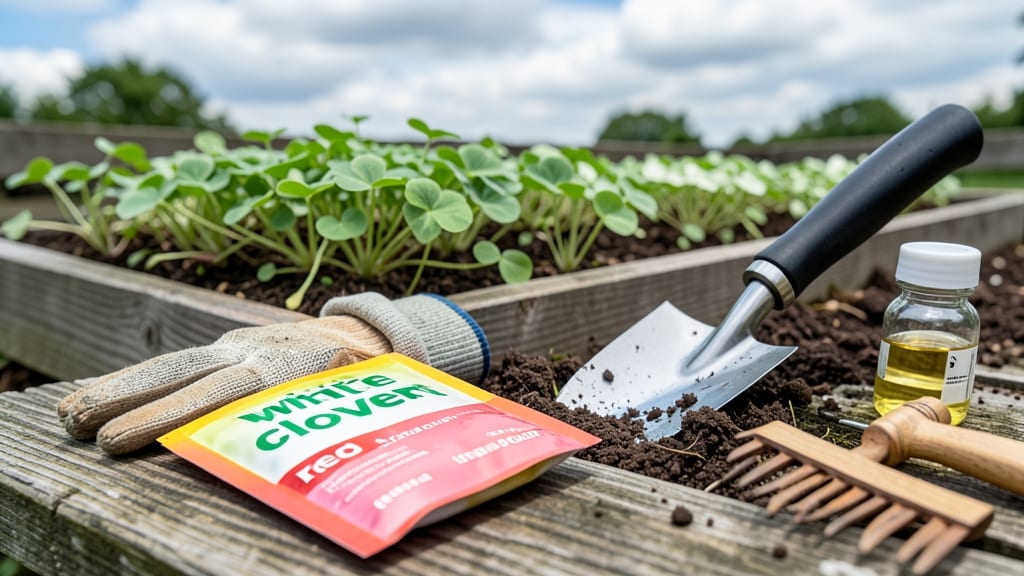
Timing your clover planting in Illinois isn't just about following a calendar—it's about outsmarting the state's tricky frost patterns and soil temperatures. Whether you're aiming for a nitrogen-rich lawn or erosion control, getting the timing right means the difference between fast establishment and months of waiting.
In Illinois' USDA Zones 5a-6b, early spring and fall are your best bets, but there's more to it than just picking a month.
Soil temperatures need to hit 50-65°F for seeds to germinate properly, and avoiding late frosts is critical—especially when planting white Dutch clover or red clover varieties that thrive in these conditions.
I've seen firsthand how just two weeks can change the game between a healthy clover patch and one that struggles to take hold. The key is understanding your local frost-free window and adjusting your planting schedule accordingly—something I'll break down with specific Illinois timing guidelines.
Let's dive into exactly when to plant for maximum success, how to prep your soil, and why fall planting might be the game-changer you've been missing for your Illinois garden.
Best planting months for clover in Illinois based on soil temperature
Planting clover in Illinois requires careful timing because soil temperature and frost dates vary dramatically across the state’s USDA Zones 5a-6b. For optimal establishment, aim for soil temperatures between 50°F and 65°F—this is when seeds germinate most reliably.
In Illinois, this window typically opens in early March in southern regions (like Springfield) but waits until mid-April in northern areas (like Chicago).
White Dutch clover, the most common lawn variety, thrives when planted in early spring (March-April) or early fall (September-October). Red clover, often used for erosion control, prefers late spring to early summer planting once soil is consistently warm.
Microclover, the newest variety gaining traction, can handle slightly cooler soils, making it more flexible for late March plantings.
Here’s the key: Wait until after your last average frost date—typically April 15 for most of Illinois—but don’t delay too long. If you plant after mid-May, summer heat can stress young seedlings before they establish roots.
For fall plantings, September is ideal because it gives clover time to root before winter dormancy.
| Clover Type | Best Planting Window | Soil Temp Range | Illinois Region Fit |
|---|---|---|---|
| White Dutch Clover | Early Spring (March-April) or Early Fall (Sept-Oct) | 50°F–65°F | Statewide (Zones 5a-6b) |
| Red Clover | Late Spring (May-June) | 60°F–75°F | Southern IL (Zones 6a-6b) |
| Microclover | Late Winter–Early Spring (Feb-April) | 45°F–60°F | Northern IL (Zones 5a-5b) |
To check your local soil temperature, use a soil thermometer or rely on Almanac frost date maps. For example, in Chicago (Zone 5b), soil reaches 50°F around mid-April, while in Carbondale (Zone 6b), it’s ready by early March.
Planting too early risks frost damage, while waiting too long can lead to summer drought stress.
Pro tip: If you’re unsure about your exact frost date, plant microclover in late February—it’s the hardiest variety and can handle cooler soils. For white clover, wait until mid-April to ensure consistent germination across Illinois. Always test your soil’s drainage first; clover hates soggy conditions.
In my experience, fall plantings in September often outperform spring plantings because young clover roots establish without competing with summer weeds. Just be sure to water deeply after planting to encourage root growth before the first frost. A light mulch layer (like straw) can also protect seeds from temperature swings.
One common mistake I see is planting clover in late spring (June-July) when soil is already hot. This can cause seeds to dry out before germinating. Instead, focus on cool-season windows—either March-April or September-October—for the best results. For lawns, overseeding in fall also reduces weed competition.
For Illinois gardeners, soil temperature is your best friend. Use a meat thermometer (they’re cheap and accurate) to check depth at 2 inches. If it’s below 50°F, wait a few more days. Patience here pays off with faster germination and stronger establishment.
Finally, consider your clover’s purpose: lawns benefit from spring plantings, while erosion control projects often succeed with fall plantings. Red clover, for example, thrives when sown in late spring for summer blooms, but white clover does better in cooler months.
Match your variety to your goals—and your local climate.
Best planting months for clover in Illinois based on soil temperature
Illinois gardeners know timing is everything when planting clover. The ideal soil temperature range for clover seeds is 50–65°F, which typically aligns with early spring (March–April) or early fall (September–October). This window ensures seeds germinate quickly before summer heat or winter frost sets in.
For white Dutch clover, aim for late March to early April when soil warms consistently above 55°F.
Red clover thrives in cooler spring soil (50–55°F), making it perfect for late February to March planting in southern Illinois. Meanwhile, microclover varieties adapt well to fall planting (September–October) when soil remains warm enough for germination but cools before winter dormancy.
Always check your local frost dates—northern Illinois (Zone 5) faces later last-frost dates than southern Illinois (Zone 6).
| Clover Type | Best Planting Months | Soil Temp (°F) | Notes |
|---|---|---|---|
| White Dutch Clover | March–April | 55–65°F | Fastest germination in warm spring soil; ideal for lawns. |
| Red Clover | Late Feb–March (spring) or Sept–Oct (fall) | 50–55°F | Tolerates cooler soil; great for cover crops and pollinators. |
| Microclover | September–October | 55–60°F | Low-growing; perfect for overseeding lawns in fall. |
To test soil temperature, use a soil thermometer buried 2 inches deep in a shaded spot. Plant when temperatures stay above 50°F for 5+ days.
In Zone 5 (northern IL), this often means waiting until mid-April, while Zone 6 (southern IL) can start as early as late March. Always amend soil with compost before planting—clover prefers well-draining, slightly acidic soil (pH 6.0–7.0).
If you miss the spring window, fall planting (September–October) is your next best option. Clover seeds sown in early fall germinate slowly but establish strong roots before winter. Avoid planting after October 15 in most of Illinois, as cooler temperatures slow germination.
For year-round coverage, consider overseeding clover into existing lawns in both spring and fall.
One common mistake is planting too early when soil remains cold. Seeds won’t germinate below 50°F, leading to wasted effort. Use a seed starter or lightweight row cover to warm soil if needed.
In southern Illinois (Zone 6), you can sometimes plant as early as February, but northern regions should wait until after April 1 to avoid frost damage.
For pollinator-friendly lawns, mix clover with warm-season grasses like Kentucky bluegrass. This creates a year-round green lawn while supporting bees and butterflies. Always water lightly after planting to keep seeds moist until germination (7–14 days). Mulch with straw to retain moisture and protect young seedlings.