
Plants
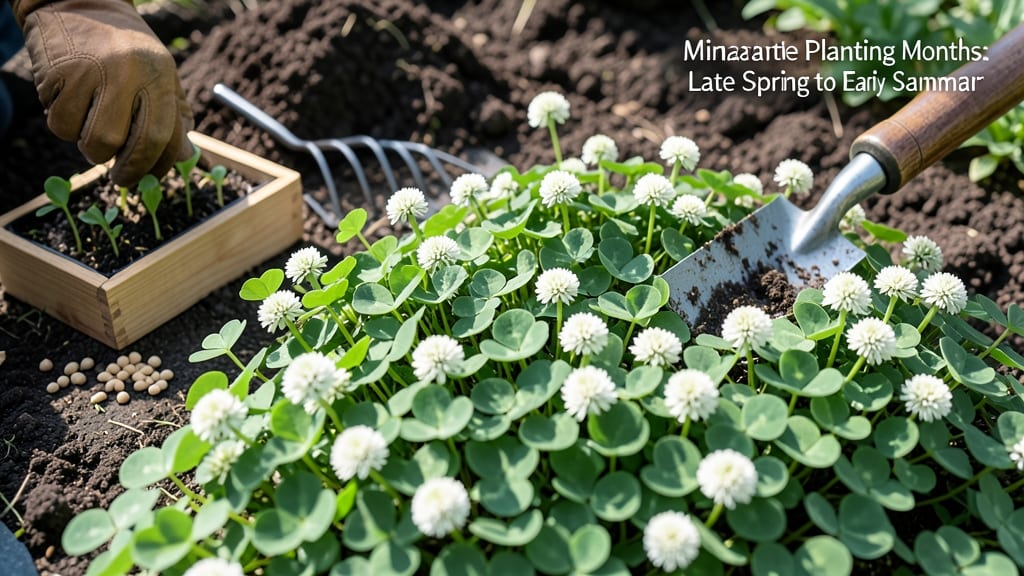
Best planting windows for clover in Minnesota: spring vs fall breakdown
Minnesota’s USDA zones 3b–5b mean clover planting timing can vary by 10–14 days between southern and northern regions. The ideal window is either early spring (April–May) or early fall (September–October), but the best choice depends on your microclimate and clover variety.
For example, Dutch white clover thrives with spring planting, while red clover often succeeds in fall.
Spring planting gives clover 6–8 weeks of growing season before summer heat stress, while fall planting allows roots to establish before winter. However, late spring frosts (May 10–20) or early fall frosts (October 10–20) can devastate seedlings if planted too early or late.
Southern Minnesota (e.g., Rochester) has a 10–14 day advantage over northern regions like Duluth.
Here’s how to match your planting window to Minnesota’s soil temperature thresholds and regional frost risks:
| Factor | Spring Planting (April–May) | Fall Planting (September–October) |
|---|---|---|
| Soil Temperature | 40–45°F (after last frost) | 50–55°F (6–8 weeks before first frost) |
| Frost Risk | Low (after May 20) | Moderate (before Oct 10) |
| Growing Season | 6–8 weeks before summer dormancy | 4–6 weeks before frost |
| Weed Competition | High (spring weeds emerge early) | Low (fall weeds decline) |
| Best Variety | Dutch white clover (fast establishment) | Red clover (hardier roots) |
| Minnesota Regions | Southern MN: April 15–May 1 | Northern MN: Sept 1–15 |
For spring planting, aim for April 15–May 1 in southern MN and May 1–15 in northern MN. Wait until soil temperatures consistently reach 40°F—use a soil thermometer to confirm.
In northern MN (USDA 3b–4a), delay until May 10–20 to avoid late frosts, which can kill tender seedlings.
Fall planting is ideal for red clover, which establishes deeper roots before winter. Seed in late August–early September in southern MN or early September in northern MN.
This gives clover 6–8 weeks to germinate before frost. Avoid planting after September 15, as seedlings may not harden off before winter.
If you’re unsure about your last frost date, check the MN Department of Agriculture’s frost maps or use a local garden center’s planting guide. For example, Minneapolis (USDA 4b) typically has its last frost around May 10, while Duluth (USDA 4a) waits until May 20.
Adjust your timing accordingly to avoid seedling loss.
Pro tip: Mix clover seeds with rye or oats for faster germination and weed suppression. This is especially useful in spring plantings, where weeds like chickweed and dandelions compete aggressively. In fall, focus on soil prep—clover roots need loose, well-draining soil to overwinter successfully.
One common mistake Minnesota gardeners make is planting too late in spring (after June 1). By then, summer heat and drought stress can stunt growth.
If you miss spring, fall is your next best option, but avoid planting after September 20, as seedlings won’t mature enough for winter survival.
For cover crop purposes, plant clover in late summer (August) to maximize nitrogen fixation before winter. If growing for forage or hay, aim for spring planting to ensure a full growing season.
Always test your soil pH (ideal: 6.0–7.0) before planting, as Minnesota’s clay-heavy soils often need lime or sulfur adjustments.
Remember: Timing is everything in Minnesota’s climate. Whether you choose spring or fall, prioritize soil warmth, frost-free windows, and weed control to give your clover the best start. With the right timing, you’ll have a lush, hardy stand by next season! 🌱
Best planting windows for clover in Minnesota: spring vs fall breakdown
Minnesota’s USDA zones 3b–5b mean your clover planting window hinges on frost dates and soil temperatures. In southern MN (zones 4–5), aim for April 15–May 15 in spring or September 1–15 in fall. Northern regions (zone 3) should wait until May 1–15 to avoid frost damage.
Spring planting offers longer daylight hours for establishment, while fall planting lets clover develop roots before winter. Both methods work, but timing depends on your microclimate—urban areas may warm faster than rural spots.
Soil temperature is critical: clover seeds need 40°F+ soil to germinate. Use a soil thermometer to check—if it’s below 40°F, wait. In northern MN, this often means waiting until late May.
| Factor | Spring Planting | Fall Planting |
|---|---|---|
| Best Months | April–May | September–October |
| Soil Temp Requirement | 40°F+ | 50°F+ |
| Frost Risk | High (late frosts) | Low (roots established) |
| Weed Competition | Moderate | Low (weeds dormant) |
| Establishment Time | 6–8 weeks | 4–6 weeks |
For Dutch white clover, spring planting is ideal—it thrives in cool weather and resists summer heat. Red clover, however, prefers fall planting to avoid bolting (premature flowering) in hot summers.
If you’re in doubt about timing, opt for fall planting. Clover planted in early September will establish roots before winter, then bounce back faster in spring than spring-sown seeds.
Pro tip: Mark your last frost date (typically May 10–20) on your calendar. Plant 4–6 weeks before to give clover time to establish before summer heat sets in.