
Plants
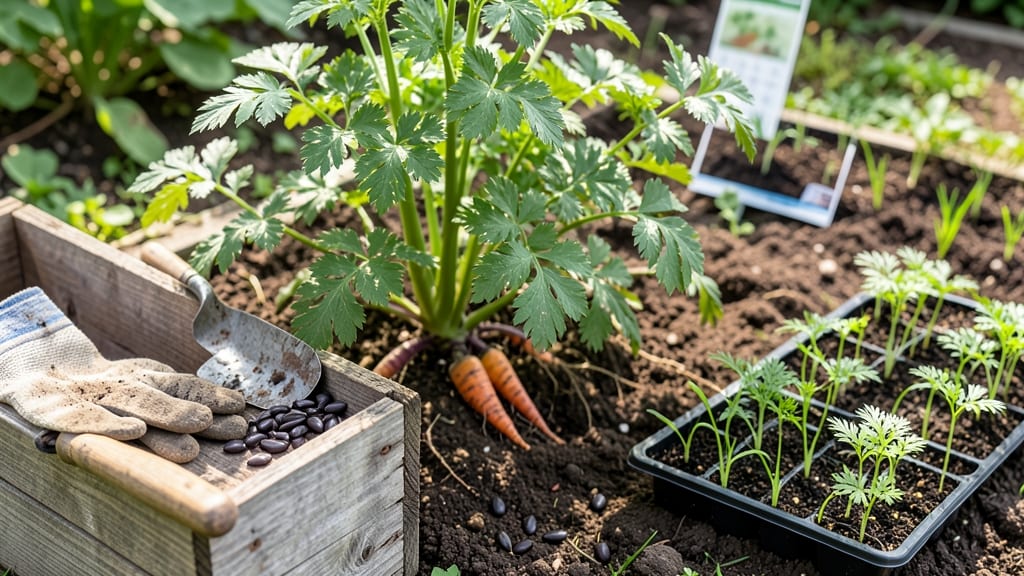
Timing your 🥕 carrot planting in Seattle isn’t just about following a calendar—it’s about outsmarting the city’s damp springs, unpredictable summers, and early frosts. Get the window wrong, and you’ll end up with bitter, stunted roots or bolted greens before harvest.
But nail it? You’ll enjoy crisp, sweet carrots from late spring through fall, with minimal fuss.
Seattle’s USDA Zone 8a climate means your best bets are early spring (March–April) and late summer (July–August), but the real secret lies in microclimates. Urban heat islands, raised beds, and even windbreaks can shave weeks off your planting timeline—or extend it into October.
I’ll show you exactly how to work with Seattle’s quirks, not against them.
Most gardeners focus on frost dates, but the soil temperature and moisture levels are just as critical. Carrots need consistently warm soil (50–85°F) to germinate, and Seattle’s rainy winters can turn your garden into a mud pit if you’re not prepared.
We’ll cover soil prep tricks, companion planting hacks, and how to avoid the #1 mistake that ruins Seattle harvests—rocky soil that splits your roots.
Ready to grow carrots that actually thrive? I’ll walk you through the frost-free window, succession planting schedules, and even how to cheat the system with cold frames. By the end, you’ll know exactly when to plant—and how to keep your 🥕 patch productive all season long.
Seattle’s ideal carrot planting calendar: frost dates & soil temps
Seattle’s cool, wet climate demands precision when planting carrots (🥕). Unlike warmer regions, our USDA Zone 8a/8b means you’ll need to time plantings around soil temperatures and frost dates—not just calendar months.
The average last spring frost hits around March 15, while the first fall frost arrives by November 15. These dates create a 165-day frost-free window, but carrots thrive best when planted in two key windows.
For spring plantings, aim for late March to early April when soil temps reach 50–60°F. This ensures seeds germinate reliably without rotting in cold, soggy soil. If you plant too early, your seeds may rot; too late, and you’ll miss the spring harvest window.
Meanwhile, fall plantings should start in mid-July to early August, giving roots time to mature before fall frosts.
Carrot seeds need consistent soil temperatures between 50–85°F to germinate properly. In Seattle, this means waiting until after the last frost for spring and planting 8–10 weeks before the first frost in fall.
Use a soil thermometer to confirm temps—don’t guess! Rocky or compacted soil (common in Seattle gardens) can also delay germination, so amend with compost before planting.
Here’s the Seattle-specific planting timeline you need to follow:
| Planting Window | Soil Temp (°F) | Key Considerations | Harvest Time |
|---|---|---|---|
| Late March – Early April | 50–60°F | Wait 2–3 weeks after last frost; amend soil with compost. | May – June |
| Mid-July – Early August | 60–70°F | Plant 8–10 weeks before first frost; avoid late summer heat stress. | September – October |
| Early February (with cold frame) | 45–50°F | Extend season with protection; thin seedlings carefully. | April – May |
| Late October (for overwintering) | 40–50°F | Use mulch to protect roots; harvest before hard freezes. | November (small roots) |
Pro tip: Succession planting every 2 weeks in spring and fall ensures a continuous harvest. Seattle’s cool summers mean you can even plant a third crop in June for a late-summer harvest before fall frosts. Just be prepared for shorter daylight hours slowing growth.
If you’re new to Seattle gardening, start small with short-season varieties like ‘Paris Market’ or ‘Nantes’, which mature in 50–60 days. These handle our cool, damp conditions better than long varieties like ‘Danvers’, which need 70+ days and risk bolting in spring’s unpredictable warmth.
One common mistake? Planting seeds too deeply (more than ½ inch) or in clumpy soil. Carrot seeds are tiny—sow them ¼ inch deep in fine, loose soil to prevent forked or stunted roots. A seedling mix or well-aged compost works best in Seattle’s clay-heavy soils.
Finally, monitor your garden for carrot rust fly, a Seattle-specific pest. Use row covers or interplant with onions to deter them. With the right timing, your carrots will thrive—no more bolted greens or woody roots!
Microclimate hacks for Seattle gardeners: extending carrot seasons
Seattle’s cool, wet climate and urban heat islands create unique opportunities for growing carrots outside the traditional March-April window.
By leveraging microclimates—like south-facing walls or raised beds—you can plant carrots as early as late February or as late as early October, extending your harvest season by 3-4 months. Local gardeners swear by these tricks to beat the odds!
One of my favorite hacks is using cold frames or low tunnels to warm soil faster. These simple structures raise soil temperatures by 10-15°F, allowing seeds to germinate 2-3 weeks earlier than in open ground.
For example, I planted ‘Paris Market’ carrots under a cold frame in mid-February, and they were ready for harvest by late April—beating the traditional spring window!
Another game-changer is raised beds, which warm up 2-4 weeks faster than in-ground soil. Fill them with compost-rich mix to improve drainage (critical for Seattle’s rainy winters) and plant short varieties like ‘Little Finger’ for early harvests.
Pro tip: Add a black plastic mulch to raise soil temps even more—just remove it when seedlings emerge.
For late-season carrots, focus on windbreaks and microclimate pockets. Plant near brick walls or fences that absorb heat during the day and radiate it back at night.
I’ve had success sowing ‘Nantes’ carrots in early October near my south-facing garage wall, harvesting until the first hard frost in mid-November.
Don’t overlook container gardening for urban Seattleites. Deep pots (at least 12 inches deep) filled with lightweight potting mix warm up quickly and drain excess water—perfect for balconies or patios. I’ve grown ‘Danvers’ carrots in containers on my sunny rooftop from April to October, with zero issues.
Here’s my Seattle-specific timeline for pushing carrot seasons: Start with cold-frame sowings in late February, follow with open-ground plantings in March, then succession plant every 2 weeks until mid-July.
For fall, sow under row covers in early August and direct-sow in September—you’ll be amazed at how much you can grow!
🌱 Seattle Carrot Microclimate Hacks
- 🔥 Cold Frames: Start seeds 2-3 weeks early (Feb) by raising soil temps 10-15°F.
- 🏗️ Raised Beds: Warm up 2-4 weeks faster than in-ground soil—ideal for short varieties.
- 🧱 Heat Absorption: Plant near brick walls/fences to extend fall harvests until November.
- 🏡 Containers: Use 12"+ deep pots for rooftops/balconies—great for succession planting.
- 🌧️ Drainage Fix: Add perlite/compost to raised beds to prevent waterlogging in rainy winters.
Remember, soil temperature is your best friend here. Use a soil thermometer to confirm temps are above 50°F before planting—this is especially critical in Seattle’s chilly springs. With these microclimate tricks, you’ll enjoy fresh carrots from February to November, beating the traditional 6-month window by a landslide!