
Plants
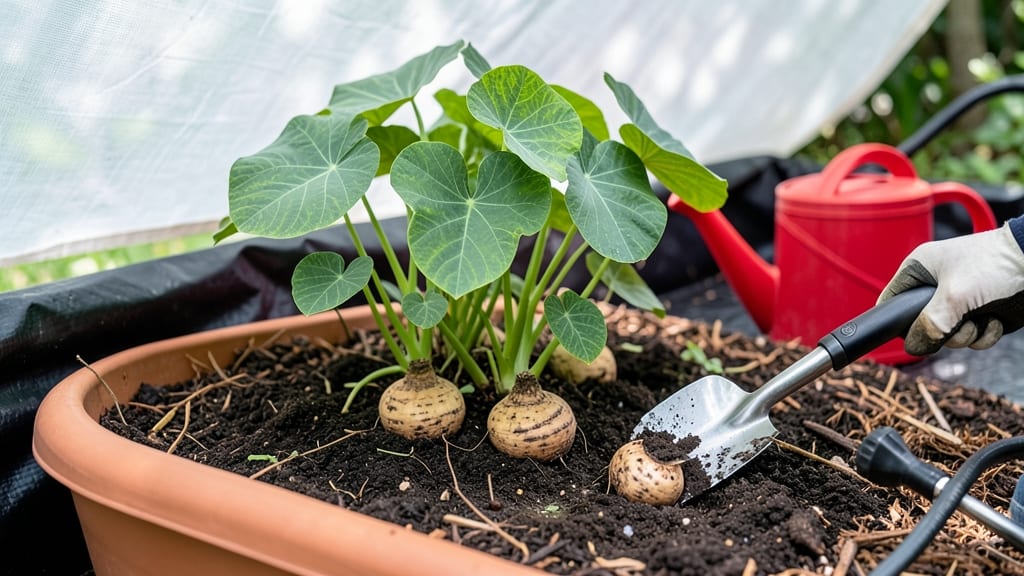
Optimal planting timeline for caladium bulbs in North Texas heat zones
Caladiums thrive in North Texas’ heat, but timing is everything—plant too early and they’ll rot in cold soil, too late and they’ll struggle with summer’s intensity.
The ideal window is March through early April, after the average last frost date (March 15), when soil temperatures consistently reach 60°F+. This aligns with North Texas’ USDA Zones 7b-9a, where tropical foliage plants like caladiums need warmth to flourish.
North Texas’ short growing season (215 frost-free days) demands precision. If you plant in February, use black plastic mulch to warm soil faster. Avoid May planting—summer’s brutal sun will scorch leaves before they establish. The key is soil temperature, not air temperature—caladium roots need warmth to activate.
Here’s your month-by-month breakdown for North Texas gardeners, including heat acclimation tips to prevent shock. Remember: caladiums are tropical divas—they hate cold snaps and need humidity to mimic their native rainforest homes.
| Month | Soil Temp Threshold | Planting Action | Heat Acclimation Tip |
|---|---|---|---|
| February | 50°F+ (with mulch) | Start bulbs indoors | Use grow lights for 12 hrs/day |
| March | 60°F+ (ideal) | Plant outdoors after last frost | Hardening off for 7 days |
| April | 65°F+ (optimal) | Final planting window | Mulch with straw for moisture |
| May | 70°F+ (risky) | Avoid planting | Provide afternoon shade |
| June–Sept | N/A (established plants) | Focus on care | Water deeply 2x/week |
For container gardening in North Texas, plant caladium bulbs in early April when daytime temps stay above 70°F. Containers heat up faster, so monitor soil moisture daily—overwatering is a common killer.
Use terracotta pots to prevent root rot, and place them in partial shade (morning sun only) to avoid leaf scorch.
Pro tip: If you’re in Zone 9a (like Dallas), extend your planting window to late April. The longer growing season gives caladiums more time to establish before summer’s peak. Just avoid planting after May 15—the heat will stress young plants before they can develop their signature foliage.
North Texas’ clay-heavy soil can suffocate caladium roots, so amend with compost or coconut coir to improve drainage. Test your soil’s pH (6.0–7.0 is ideal)—caladiums hate alkaline conditions.
If your soil is too dense, plant in raised beds filled with a mix of peat moss, perlite, and compost for the perfect tropical-like environment.
Once planted, protect caladiums from afternoon sun by placing them under dappled shade (like under a tree canopy). In full sun, their leaves will turn yellow and crispy—a sure sign of heat stress. For extra protection, use shade cloth (30–50%) during the hottest months (July–August).
Remember: caladiums are not cold-hardy. If an unexpected late frost hits in November, cover plants with frost cloth or move containers indoors.
Most North Texas gardeners dig up bulbs after frost and store them in dry peat moss until next spring—this extends their lifespan and ensures vibrant foliage year after year.
By following this North Texas-specific timeline, your caladiums will burst into colorful foliage by late May, just in time for summer’s peak. The secret? Patience in planting and precision in care—two traits every successful North Texas gardener masters. 🌿
Optimal planting timeline for caladium bulbs in North Texas heat zones
North Texas gardeners know caladium bulbs thrive in heat, but timing is everything. Plant too early, and they’ll rot in cold soil; too late, and they’ll struggle with summer’s intensity.
The ideal window is after your last frost date (typically mid-March in most of North Texas), when soil temperatures consistently stay above 60°F. This ensures roots establish before summer’s brutal heat peaks.
Caladiums are tropical plants that need warmth to sprout. In USDA Zones 7b-9a, aim to plant between late March and early April. This schedule aligns with North Texas’ spring soil warming and gives plants a head start before June’s scorching temperatures.
If you miss this window, don’t panic—May plantings can still work with extra shade and mulch.
🌱 Key Takeaway: Wait for soil temperatures ≥60°F and stable daytime highs above 70°F before planting. Use a soil thermometer to track progress—this small tool saves hours of guesswork!
| Stage | Action | North Texas Timeline |
|---|---|---|
| Soil Prep | Amend clay soil with compost; test pH (6.0-7.0 ideal) | February-March |
| Planting Window | Plant bulbs 2-3" deep in partial shade | Late March-Early April |
| Heat Acclimation | Gradually introduce to full sun (afternoon shade critical) | April-May |
| Peak Season | Enjoy vibrant foliage; monitor for pests | June-September |
| Dormancy Prep | Reduce watering; dig up bulbs before frost | October-November |
🌡️ Pro Tip: Use mulch to regulate soil temps—critical for tropical bulbs in Texas’ extreme swings!
For container gardening, plant caladiums in well-draining pots filled with a mix of peat moss, perlite, and compost. This setup lets you move plants to shadier spots during peak afternoon heat (typically 1 PM–5 PM in North Texas).
Elevate pots on cinder blocks to prevent waterlogging—a common killer of caladium roots.
If you’re in East Texas (Zone 8a), you can push planting to early April thanks to milder winters. But West Texas gardeners (Zone 7b) should wait until mid-April to avoid late frosts.
Always check your local Cooperative Extension Service for frost dates—this free resource is a North Texas gardener’s best friend!
Remember: Caladiums are foliage stars, not bloomers. Their colorful leaves (think pink, white, or deep purple) are the showstopper. Plant them where you’ll see them daily—near patios, under trees, or in shaded garden beds.
With the right timing, your caladiums will outshine summer’s heat instead of wilting in it.