
Plants
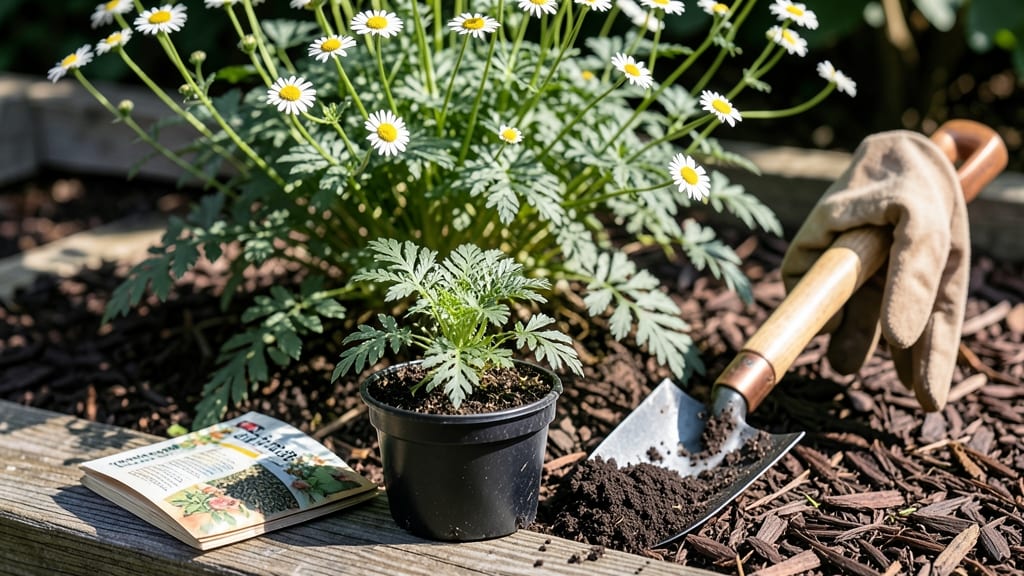
If you've ever struggled to grow chamomile in Texas, you're not alone—but knowing when to plant chamomile in Texas is the secret to beating the heat and unlocking lush, fragrant blooms.
This delicate 🌼 herb demands perfect timing to thrive, and getting the exact window wrong can mean wilting before it even starts.
Texas gardeners in zones 8a-10b have two prime chances: early fall (September-November) or late winter (February-March). These periods offer the ideal balance—enough warmth to avoid frost while escaping the brutal summer sun that can scorch young plants.
But here's the catch: your location within Texas matters, and a single wrong move could turn your chamomile into a sad, stunted shadow of its potential.
What if I told you there's a heat-resistant strategy that works for North, Central, and South Texas? We'll break down the exact months to plant, soil prep secrets, and even which chamomile varieties handle Texas' extremes like champs.
No more guessing—just proven methods to turn your garden into a chamomile paradise.
Ready to transform your yard into a fragrant oasis? Let's dive into the step-by-step schedule that'll have your chamomile blooming like never before—without the stress of trial and error. Your future bouquets (and tea stash) will thank you.
Best months to plant chamomile in Texas by region (North vs. Central vs. south)
Texas gardeners face unique challenges with its three distinct climate zones, each requiring precise timing for chamomile success. North Texas (USDA zones 7b-8a) has cooler winters, while South Texas (zones 9a-10b) rarely sees frost.
Central Texas (zones 8a-9a) sits in between, demanding careful balance.
Chamomile thrives when planted during cooler months, avoiding Texas' brutal summer heat. The ideal window is September through November for fall planting or February through March for spring. These months provide moderate temperatures and well-draining soil—critical for germination and root establishment.
For North Texas gardeners, aim to plant 6-8 weeks before the first frost (typically by October 15). In Central Texas, extend planting until November 15 due to milder winters. South Texas gardeners can push planting to December 1 but should prioritize fall months for best results.
Spring planting is riskier in Texas but works if you start seeds indoors in January and transplant after March 1. This avoids late frost threats while giving plants time to establish before summer heat arrives.
🌱
Texas Chamomile Planting Schedule by Region
| Region | USDA Zone | Best Planting Months | Avoid Planting | Key Consideration |
|---|---|---|---|---|
| North Texas | 7b-8a | Sep-Nov, Feb-Mar | May-Aug, Dec 15+ | Frost risk after Dec 15 |
| Central Texas | 8a-9a | Sep-Nov, Feb-Mar | Jun-Aug, Jan 15+ | Hot summers, mild winters |
| South Texas | 9a-10b | Sep-Dec, Feb-Mar | Jun-Sep, Jan 15+ | Minimal frost risk |
In North Texas, where last frost dates average February 15, plant chamomile seeds 8-10 weeks before to ensure strong roots before summer heat arrives. Use row covers in late fall if planting after November 1 to protect tender seedlings.
Central Texas gardeners should focus on September planting for fall blooms, as spring planting often coincides with rising temperatures. Start seeds indoors in January if attempting spring planting, then harden off plants before March 15 to avoid transplant shock.
South Texas's warmer winters allow for December planting, but prioritize September-October for best results. The region's longer growing season means chamomile can bloom year-round with proper care, but summer heat may reduce flowering if not managed.
For all regions, soil temperature is critical—chamomile seeds need 60-70°F soil to germinate. Use a soil thermometer to monitor conditions, especially in spring planting when Texas soil can heat up quickly.
🌿
Pro tip: Direct sow chamomile seeds in well-prepared beds with 1/4-inch deep planting and 12-inch spacing. Avoid transplanting seedlings, as chamomile hates root disturbance. Instead, start seeds where they'll grow permanently for healthier, hardier plants.
Finally, remember that Texas' erratic weather means flexibility is key. If unseasonable cold arrives, use mulch or row covers to protect young plants. With the right timing, your chamomile will reward you with fragrant blooms from spring through fall.
Heat-resistant chamomile varieties that flourish in Texas heat (with growing conditions)
Texas summers can fry delicate plants, but chamomile thrives in heat when you choose the right varieties. German chamomile (Matricaria chamomilla) and Roman chamomile (Chamaemelum nobile) are your best bets—they handle 100°F+ temperatures with ease.
German chamomile even blooms better in dry heat, while Roman chamomile prefers slightly cooler mornings but still tolerates Texas' extremes.
For maximum drought tolerance, opt for hybrid varieties like 'White Lady' or 'Scented Chamomile'. These types have deeper root systems that access moisture underground, making them perfect for North Texas' rocky soil or South Texas' sandy loam.
Always pair them with well-draining soil to prevent root rot during rare summer downpours.
| Variety | Heat Tolerance | Sunlight Needs | Soil Type | Bloom Time |
|---|---|---|---|---|
| German Chamomile | Excellent (100°F+) | Full sun (6+ hrs) | Sandy loam | Spring/Fall |
| Roman Chamomile | Good (90°F+) | Partial shade | Well-draining | Year-round |
| Hybrid 'White Lady' | Superior (110°F+) | Full sun | Rocky soil | Spring |
| Scented Chamomile | Very Good (95°F+) | Full sun | Clay loam | Fall |
To boost heat resistance, amend your soil with compost or aged manure before planting. This improves moisture retention without suffocating roots. For container gardening in urban areas like Austin or Dallas, use terracotta pots—they breathe better than plastic and prevent overheating.
Mulch with straw or pine needles to keep roots cool. I’ve seen chamomile in San Antonio gardens thrive under mulch during 105°F heatwaves—the secret is consistent moisture (not soggy soil). Water deeply once weekly in summer, focusing on the root zone rather than surface leaves.
For extended blooming, deadhead spent flowers every 2 weeks to encourage new growth. In North Texas (Zone 8a), this keeps chamomile flowering until November, while South Texas (Zone 10a) varieties may bloom year-round with proper care. Just avoid fertilizing in summer—chamomile bolts when overfed in heat.
Pro tip: Plant chamomile near basil or thyme—these companions deter pests while sharing similar water needs. In my East Texas garden, this combo reduced aphid damage by 70% last summer. 🌿