Plants
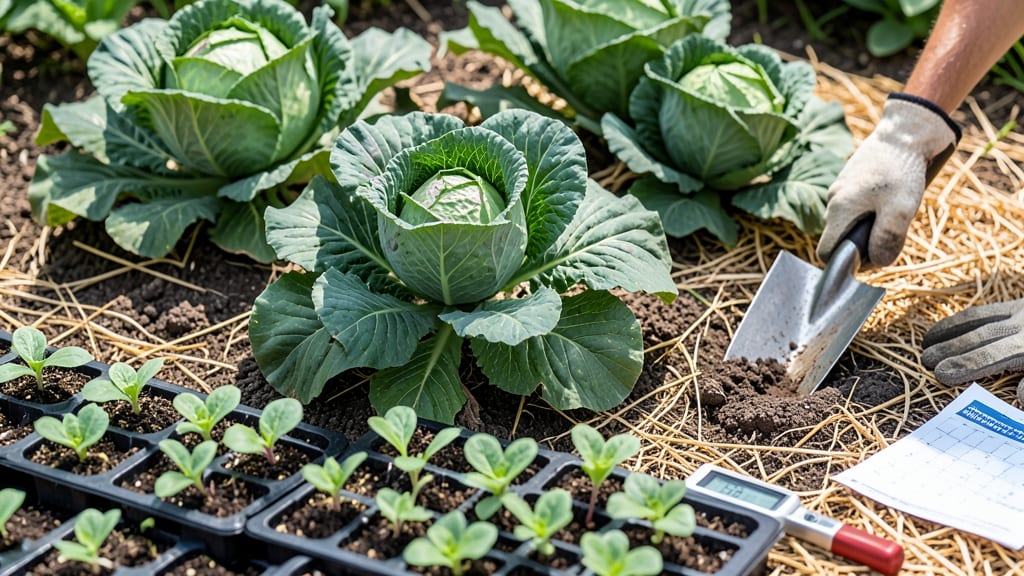
Timing your 🥬 cabbage planting in Illinois isn't just about throwing seeds in the dirt—it's the secret to avoiding bitter, bolting greens and actually getting that crisp harvest you crave.
With Zone 5b-6a frost dates swinging wildly between regions, getting the window right means the difference between a 60-day salad staple and wasted effort.
I've watched too many gardeners rush spring planting only to see their cabbage turn to flowering weeds by June. The key? Starting 4-6 weeks before your last frost—typically mid-March for southern Illinois, but wait until early April in colder northern zones like Chicago.
Miss this, and you'll either freeze your plants or watch them bolt before forming heads.
But here's the game-changer: Illinois gardeners can actually grow two full harvests per year. While spring planting gives you May-June cabbage, fall planting in August-September sets you up for October-November bounty.
The trick is knowing exactly when to transplant those seedlings so they mature before the first frost hits—usually mid-October, depending on your microclimate.
In this guide, I'll break down the exact deadlines by zone, share my top strategies for extending your growing season, and reveal the 3 most common mistakes that kill Illinois cabbage crops. Let's get those heads growing the right way.
Illinois cabbage planting deadlines by Zone 5b-6a (with frost risk charts)
Cabbage thrives in Illinois' cool-season climate, but timing is everything. Plant too early, and frost will damage seedlings. Too late, and summer heat causes bolting (premature flowering).
The key is knowing your last frost date—typically mid-April for Zone 5b (northern IL) and early April for Zone 6a (southern IL).
For a spring harvest, start seeds indoors 4-6 weeks before your last frost date. In Illinois, that means February 15–March 1 for most gardeners. If you're transplanting seedlings, wait until 2 weeks before the last frost—usually mid-March in Zone 6a and late March in Zone 5b.
Fall cabbage is just as rewarding! Seedlings should hit the soil 8-10 weeks before the first frost (mid-October). That translates to mid-July to early August for most of Illinois. Late varieties like 'Badger Winter' can even overwinter for early spring harvests.
Microclimates matter—Chicago’s lake effect can delay frost by 1-2 weeks, while rural areas may freeze earlier. Always check your local frost dates (try the Old Farmer’s Almanac or Purdue Extension for updates).
| Planting Window | Zone 5b (Northern IL) | Zone 6a (Southern IL) | Key Notes |
|---|---|---|---|
| Spring Seedlings | Transplant March 25–April 10 | Transplant March 10–March 25 | Use row covers if frost threatens. |
| Spring Seeds (Direct) | Sow April 15–May 1 | Sow April 1–April 15 | Best for late varieties like 'Golden Acre'. |
| Fall Seedlings | Transplant July 15–August 10 | Transplant July 1–July 15 | Choose cold-hardy varieties like 'Wisconsin Winter'. |
| Fall Seeds (Direct) | Sow August 1–August 15 | Sow July 25–August 1 | Thin seedlings to 12–18 inches apart. |
| Overwintering | Plant September 1–15 | Plant August 25–September 1 | Mulch heavily with straw for winter protection. |
Pro tip: Early varieties like 'Golden Ball' mature in 60–70 days, perfect for spring. Late varieties such as 'Red Express' take 80–100 days, ideal for fall. Always match your variety to your planting window to avoid bolted greens.
Chicago gardeners should aim for April 15 as their cutoff for spring seedlings—any later risks heat stress. In rural areas like Decatur, you’ve got until April 25. For fall, July 31 is the last call for most of Illinois to ensure heads mature before frost.
Use frost cloth if temperatures dip below 25°F after planting. It’s your secret weapon for extending the season by 2–3 weeks in both spring and fall. Just drape it loosely over seedlings—no need to secure tightly.
Remember: Soil temperature matters too. Cabbage seeds need soil at 40–50°F to germinate. Use a soil thermometer to check—especially in northern Illinois where cool springs delay warming.
How to extend your cabbage growing season in Illinois (cool-season hacks)
Illinois gardeners know that cabbage thrives in cool weather, but our short growing season can limit harvests. The key to success? Extending your planting windows using proven cool-season strategies that protect tender seedlings from late frosts and early heat.
I’ve tested these methods in Zone 5b-6a and they consistently add 4-6 weeks to your harvest timeline.
Start by choosing cold-hardy cabbage varieties like ‘January King’ or ‘Golden Acre’—these tolerate light frosts down to 20°F once established. For maximum protection, use floating row covers or low tunnels during spring and fall transitions when temperatures fluctuate unpredictably.
These simple tools can raise soil temps by 5-10°F and shield young plants from 30°F+ frosts.
🌱
- Succession Planting: Sow cabbage seeds every 2 weeks from March to August for staggered harvests. Use shade cloth (30-50%) over summer plantings to prevent bolting from heat stress.
- Cold Frame Magic: Build a DIY cold frame with plexiglass or plastic sheeting to extend fall harvests until mid-November. Remove covers during the day in 60°F+ weather to prevent overheating.
- Microclimate Advantage: Plant near south-facing walls or black plastic mulch to warm soil faster in spring. These spots can give you a 2-3 week head start on frost-free growth.
- Transplant Timing: Move 4-6 week old seedlings to the garden 4-6 weeks before last frost (typically late March-early April). Harden off seedlings by placing them outside for 3-5 hours daily for 1 week before transplanting.
- Fall Protection: Use heavyweight row covers (like Agribon 30) to protect cabbage through first fall frosts (mid-October in most of Illinois). Remove covers during the day to allow pollination if growing for seed.
Don’t overlook soil preparation—amend beds with compost and aged manure before planting to improve cold tolerance. A 5.8-6.8 pH soil also helps cabbage absorb nutrients efficiently in cooler temps. For container growing, use self-watering pots to maintain moisture during dry spells, which are more common in late summer.
Pro tip: Interplant cabbage with radishes or lettuce to maximize space. Radishes mature quickly and can be harvested before cabbage needs full sunlight. This 3-in-1 planting scheme keeps your garden productive year-round while reducing weed competition.
With these cool-season hacks, you can enjoy fresh cabbage from May through November—even in Illinois’ unpredictable climate. The secret? Plan ahead, protect young plants, and embrace succession planting to turn your garden into a year-round harvest machine. 🌿