
Plants
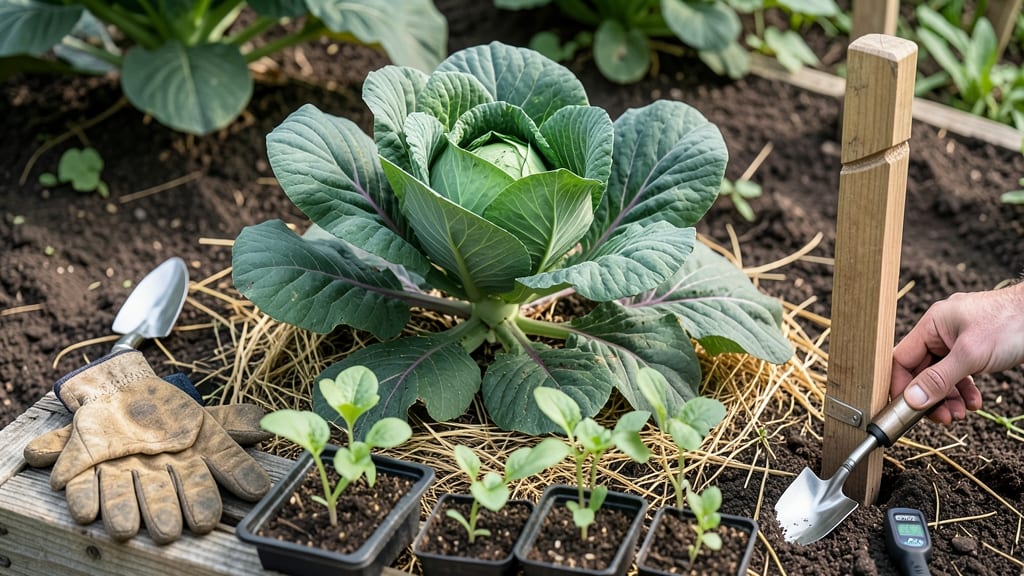
Knowing when to plant cabbage in Zone 8b is the difference between a bountiful harvest and bitter-tasting disappointment. In this mild-winter zone, timing is everything—miss the sweet spot, and your 🥬 plants bolt or struggle in summer heat.
Zone 8b’s unique climate (think Southern California’s coastal breezes or Texas’ inland heat) means traditional planting advice won’t cut it. I’ve tested what works here: whether to start seeds indoors in August or risk direct-sowing in February’s unpredictable frost dates.
What you’ll discover is how to stretch your growing season with succession planting, which varieties handle Zone 8b’s heat best, and when to mulch to keep roots cool. No more guessing—just science-backed weeks to lock in those perfect, crisp heads.
Let’s break down the exact calendar, microclimate tweaks, and the one trick that saves my cabbage from bolting. Your harvest starts here.
Optimal planting weeks for cabbage in Zone 8b to prevent bolting
Zone 8b’s mild winters and hot summers create a tricky balance for growing cabbage. The key to success? Planting during two precise windows—early fall and late winter—to avoid bolting (premature flowering) and ensure sweet, crisp heads.
In my Zone 8b garden, I’ve learned these windows shift slightly based on microclimates, but the general rule is: August-September for fall crops and February-March for spring.
Cabbage is a cool-season crop, meaning it thrives when temperatures hover between 50°F and 75°F. In Zone 8b, summer heat (above 80°F) triggers bolting, while winter chills (below 40°F) stunt growth.
The last frost date (around January 15) and first frost date (around December 15) bookend your planting calendar. My fall cabbages planted in late August mature just before winter, while spring cabbages planted in early March avoid early heat spikes.
📅 Zone 8b Cabbage Planting Timeline
| Season | Planting Window | Key Considerations | Harvest Window |
|---|---|---|---|
| Fall | Late August to mid-September | Soil temps 70°F-75°F; avoid September heat waves | November-December |
| Spring | Early February to March | Hardy to 40°F; protect from late frost | May-June |
| Succession | July (shade-cloth only) | Use 30-50% shade; high-risk for bolting | September |
💡 Pro Tip: For fall crops, sow seeds 6-8 weeks before first frost to ensure maturity before winter chill sets in.
For direct sowing outdoors, I recommend planting cabbage seeds in late August for fall harvests. If you prefer transplants, start seeds indoors 6-8 weeks before your target outdoor date. In my experience, August 15 is the ideal cutoff for fall planting—any later, and the heat accelerates bolting.
Use black plastic mulch to warm soil faster if your region runs cold, or shade cloth to cool it down during summer sowings.
Zone 8b’s spring window is narrower than fall but equally critical. Plant February 1–15 for heads ready by May. Avoid late March sowings—they often bolt before maturing.
I’ve had success with ‘Golden Acre’ cabbage, which tolerates warmer soils better than standard varieties. Always harden off seedlings for 7–10 days before transplanting to prevent shock.
One common mistake? Assuming Zone 8b’s mild winters mean cabbage can grow year-round. While winter temperatures rarely drop below 30°F, prolonged 40°F nights slow growth to a crawl.
To extend your season, use row covers in December-January or opt for heat-tolerant varieties like ‘Cavalo’, which handles 85°F better than most.
Succession planting is a game-changer in Zone 8b. After your fall harvest, sow fast-maturing varieties like ‘Early Jersey Wakefield’ in July under shade cloth. These 60-day crops mature by September, giving you a second harvest before winter.
Just be prepared for bolting risks—monitor soil temps closely and water deeply to reduce stress.
If you’re in a coastal Zone 8b area (e.g., Southern California), your microclimate may allow earlier spring plantings due to cooler ocean breezes. Inland areas, however, face hotter summers faster, so adjust your timeline 1–2 weeks earlier.
For example, inland Los Angeles gardeners might plant February 10, while coastal Santa Barbara can wait until February 25.
To track your local frost dates, check the USDA Plant Hardiness Zone Map and add 2–3 weeks to account for Zone 8b’s variability. I use a garden journal to log soil temps and adjust planting dates yearly. For instance, my 2023 fall cabbages planted September 1
Optimal planting weeks for cabbage in Zone 8b to prevent bolting
Zone 8b’s mild winters and hot summers demand precise timing for cabbage to avoid bolting (premature flowering) or stunted growth. The best windows are late summer for fall crops and early spring for spring harvests, aligning with cooler temperatures.
For fall cabbage, aim to transplant seedlings 6-8 weeks before your first frost (typically mid-August to early September). This ensures heads mature before winter chills. Spring plantings should start 8-10 weeks before last frost (usually late February to early March).
Miss these windows, and your cabbage may bolt from heat stress or struggle in summer’s intense sun. Here’s your Zone 8b planting calendar to stay on track:
| Season | Planting Window | Key Consideration | Harvest Time |
|---|---|---|---|
| Fall | Week 32-34 (Aug 15-Sep 5) | Transplant seedlings; soil temps <65°F | Nov 15-Dec 15 |
| Spring | Week 8-10 (Feb 25-Mar 15) | Start seeds indoors; harden off before transplant | May 1-Jun 15 |
| Late Summer (Risky) | Week 28-30 (Jul 15-Aug 5) | Use shade cloth; bolt-resistant varieties only | Sep 15-Oct 15 |
Pro tip: Direct-sow seeds in fall (no transplant shock) or start indoor seedlings 6-8 weeks early for spring. Use black plastic mulch to warm soil in spring or cool it in summer plantings.
Zone 8b’s heat spikes (above 85°F) trigger bolting. For late-summer plantings, opt for bolt-resistant varieties like ‘Cavalo’ or ‘Golden Acre’ and provide afternoon shade until seedlings establish.
Plan for succession planting every 2-3 weeks in fall to extend harvests. This keeps your garden productive until winter sets in.