
Plants
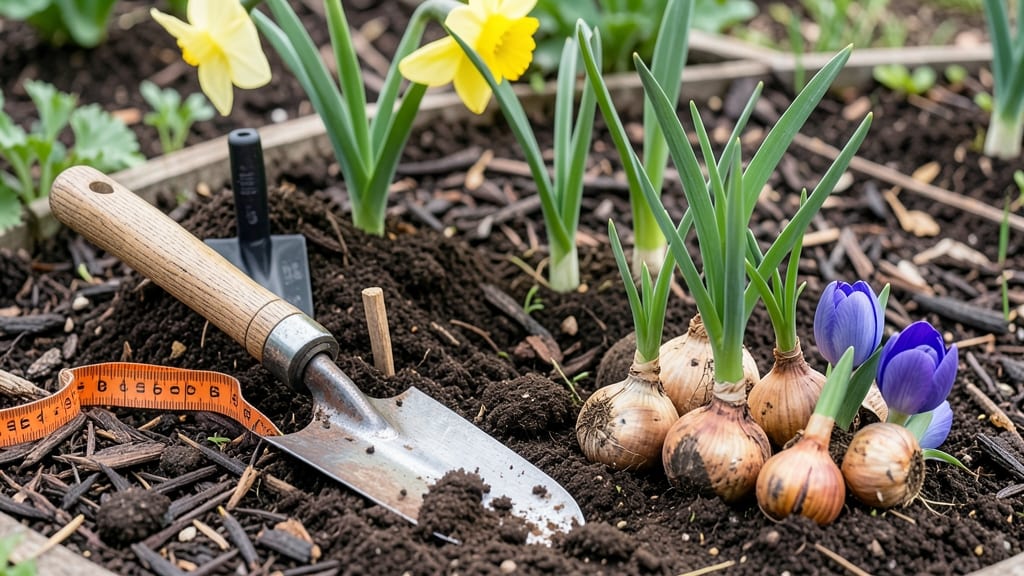
Timing your Zone 7b bulb planting wrong could mean the difference between a show-stopping spring display and a total flop. 🌷 Too early, and your bulbs might rot in soggy soil; too late, and frost could ruin their chances before they even sprout.
As someone who’s tested the perfect window year after year, I’ll show you exactly when to plant for perfect blooms—plus the soil secrets that make all the difference.
Most bulbs—think tulips, daffodils, and hyacinths—thrive when planted in Zone 7b’s fall window, but the exact timing depends on your local frost dates and soil conditions. The key is getting them in the ground 6-8 weeks before hard frost, when temperatures dip into the 50-60°F range.
That usually lands in September or early October, but we’ll break down how to adjust if your fall is unusually warm or cold.
What you’ll discover here isn’t just about dates—it’s about preparing your soil like a pro. Heavy clay soils (common in 7b) need amending, and planting depth matters just as much as timing.
I’ll walk you through the exact steps to set your bulbs up for success, so they burst through the soil next spring without a fight.
Ready to transform your garden into a vibrant spring spectacle? Let’s dive into the fall planting secrets that’ll have your neighbors asking for your secrets—and how to avoid the 5 biggest mistakes that sabotage even the best-laid plans.
Optimal fall planting window for Zone 7b bulbs: exact dates and conditions
Zone 7b gardeners have a 6-8 week window to plant most spring-flowering bulbs, typically from mid-September to late October. This timing ensures bulbs establish roots before winter dormancy but avoids the hard frost that can damage tender shoots.
For Zone 7b, aim to plant when soil temperatures drop to 50-60°F—a perfect balance for root growth without encouraging rot.
The first frost date in Zone 7b usually falls around November 15, so bulbs need 6-8 weeks to root before then. Early varieties like crocus and snowdrops can handle cooler soils, while tulips and daffodils prefer slightly warmer conditions.
Adjust your schedule if your area experiences early or late frosts—check your local USDA frost maps for precision.
Moon phases also play a role in bulb planting success. Planting during the waning moon (when the moon is shrinking) is traditionally believed to encourage root growth.
For Zone 7b, this often aligns with late September to early October. While not scientifically proven, many gardeners swear by this method for stronger bulb establishment.
Here’s a quick reference for popular bulb types and their ideal Zone 7b planting windows:
| Bulb Type | Ideal Planting Window (Zone 7b) | Notes |
|---|---|---|
| Tulips | Mid-September to mid-October | Plant in well-draining soil; avoid soggy spots. |
| Daffodils | Late September to early November | More frost-tolerant; great for late fall planting. |
| Hyacinths | Mid-September to late October | Needs rich soil; add compost before planting. |
| Alliums | Late September to early October | Drought-tolerant; plant in full sun for best results. |
| Crocus | Early September to mid-October | One of the earliest bloomers; plant shallowly. |
If you miss the fall window, don’t despair! Many bulbs, like tulips and daffodils, can also be planted in early spring (February to March in Zone 7b). However, spring-planted bulbs may bloom 4-6 weeks later than their fall counterparts. For best results, stick to the fall schedule whenever possible.
Soil temperature is your best guide for timing. Use a soil thermometer to monitor conditions—plant when temps consistently hover between 50-60°F during the day. If your soil stays warmer than this, wait a few weeks to avoid rot.
Cooler soils (below 50°F) can stunt root growth, so don’t rush the process.
Pro tip: Mark your calendar with the average first frost date for your specific location in Zone 7b. Count backward 6-8 weeks to determine your ideal planting window. For example, if frost hits on November 10, aim to finish planting by September 20.
Adjust for early or late frosts based on your local climate history.
For bulbs like dahlias and gladiolas, which are summer-dormant, the rules flip: plant in spring (March-April) after the last frost. These heat-loving bulbs need warm soil to thrive, so avoid planting them in fall unless you’re in a warmer microclimate within Zone 7b.
Finally, consider your local microclimates. A north-facing slope may frost earlier than your main garden, while a south-facing bed might stay warmer. Observe these nuances and adjust your planting schedule accordingly. With the right timing, your Zone 7b garden will burst into color come spring!
How to prepare your Zone 7b garden for bulb planting: soil and site secrets
Zone 7b’s heavy clay soils and unpredictable fall moisture can turn bulb planting into a gamble. The key to success? Preparing your soil 4-6 weeks before your target planting date. Start by testing your soil’s drainage and pH—ideal levels are 6.0-7.0 and well-draining, respectively.
If your soil is compacted, amend it with organic matter like compost or aged manure. Aim for a 2-3 inch layer mixed into the top 6-8 inches of soil. This improves both water drainage and nutrient retention, which bulbs crave during their early root growth phase.
🌱 Soil Prep Pros & Cons
- Test soil pH (6.0-7.0)
- Add compost (2-3") for nutrients
- Choose raised beds if drainage is poor
- Plant in full sun (6+ hours)
- Plant in waterlogged spots
- Use fresh manure (burns roots)
- Skip drainage tests (stick test)
- Overlook microclimates (sheltered spots)
For well-draining sites, consider adding coarse sand or perlite to clay-heavy areas. A simple stick test reveals drainage issues: Push a 12-inch stick into the soil.
If water pools around it after rain, your site needs amending. Raised beds are a game-changer in Zone 7b, offering better control over soil composition and moisture.
Location matters just as much as soil. Bulbs thrive in full sun to partial shade, but avoid low-lying areas where cold air pools. South-facing slopes or slightly elevated spots in your yard provide warmer microclimates, extending your planting window by 1-2 weeks in early fall.
One often-overlooked step is pre-planting fertilization. While bulbs don’t need heavy feeding, a light application of bone meal (3-4 tbsp per sq ft) before planting boosts root development. Mix it into the soil 2-3 inches deep—this ensures nutrients are available when roots start growing in late fall.
Finally, mulch after planting with 2-3 inches of straw or shredded leaves. This protects bulbs from temperature swings and retains moisture during Zone 7b’s variable fall weather. Just