
Plants
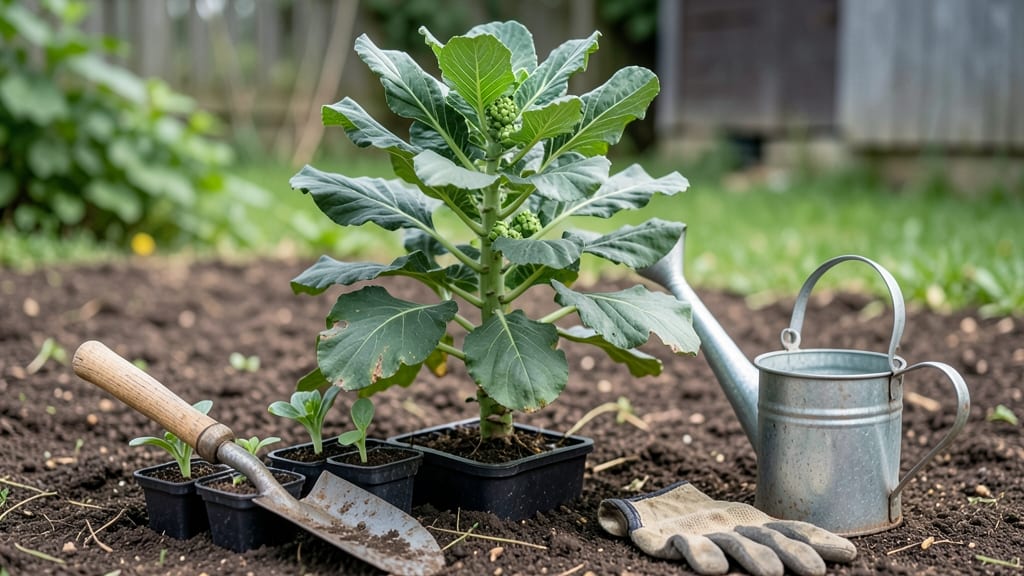
Best planting windows for brussel sprouts in NJ’s climate zones
New Jersey’s diverse climate—from coastal breezes to inland heat—means brussel sprouts thrive with precise timing. The key is planting 8-10 weeks before the first frost, which typically falls between mid-October and early November across most of NJ.
For USDA Zones 6b-7a, this translates to two ideal windows: early spring (mid-April to early June) and late summer (late July to early August).
In coastal NJ (Zone 7a), cooler temperatures extend the growing season slightly, while inland areas (Zone 6b) face earlier frosts. This means gardeners in Atlantic City might push spring plantings into early June, whereas those in Morristown should finish by late May to avoid heat stress.
Always check your local last frost date—Rutgers Cooperative Extension provides updated forecasts.
For direct sowing, aim for mid-April to early May in most of NJ. Seedlings take 60-90 days to mature, so late summer plantings (after July 20) ensure harvests before winter.
If you’re transplanting starts, do so 2-3 weeks earlier to give them time to establish roots before cooler weather arrives.
Here’s how NJ’s microclimates affect your schedule:
| Region | Spring Planting Window | Fall Planting Window | Key Adjustment |
|---|---|---|---|
| Coastal (Zone 7a) | Late April–early June | Late July–early August | Extend fall window by 10 days |
| Inland (Zone 6b) | Mid-April–late May | Late July–mid-August | Prioritize early spring starts |
| Northern NJ (Zone 6a) | Late April–early May | Early July–late July | Use row covers for frost protection |
🌡️ Pro Tip: Coastal areas stay cooler longer—plant 1-2 weeks later than inland zones.
If you’re direct sowing, wait until soil temperatures reach 45°F—a must for germination. Use a soil thermometer to avoid cold soil delays. For transplants, harden off seedlings for 7-10 days before moving them outdoors.
This gradual adjustment prevents shock, especially in late-summer plantings when temperatures can still spike.
Heat stress is the enemy of brussel sprouts. If planting in late summer, choose shade-tolerant varieties like ‘Long Island Improved’ and water deeply to keep roots cool.
Mulch with straw or wood chips to retain moisture and regulate soil temperature. This is critical in inland NJ, where August can bring sudden heat waves.
For fall harvests, aim to have plants established by mid-August. This gives them enough time to mature before first frost hits. In coastal NJ, you might even squeeze in a winter harvest with frost cloth protection.
Always monitor your local frost forecast—Rutgers’ NJ Weather Network is a reliable resource for real-time updates.
One common mistake? Planting too early in spring and risking bolting (premature flowering) when temperatures rise. To avoid this, stagger plantings every 2 weeks between April and June. This ensures a steady supply of cool-season sprouts without overwhelming your garden at once.
Finally, soil prep is non-negotiable. Brussel sprouts crave well-draining, slightly acidic soil (pH 6.0-7.0). Amend your garden beds with compost or aged manure before planting. In heavy clay soils (common in northern NJ), mix in sand or peat moss to improve drainage.
This step alone can mean the difference between stunted plants and a bountiful harvest.
With these NJ-specific timing tips, you’ll be well on your way to growing sweet, homegrown brussel sprouts that outshine store-bought any day. Just remember: cool weather = happy sprouts, and NJ’s climate gives you two perfect chances to nail it! 🥦
Best planting windows for brussel sprouts in NJ’s climate zones
New Jersey’s climate varies dramatically between its coastal regions and inland areas, which means your brussel sprout planting schedule should account for these differences. Coastal areas like Cape May experience milder winters, while inland zones like the Piedmont face earlier frosts.
Understanding these microclimates helps you avoid planting too early or too late, both of which can ruin your harvest.
For most of NJ (USDA Zones 6b-7a), the ideal planting windows are mid-April to early June for a fall harvest, or late July to early August for a winter harvest.
These timings align with the 8-10 week growth period brussel sprouts need before the first frost hits—typically mid-October to early November in most regions.
| Planting Window | Region | Key Notes |
|---|---|---|
| Mid-April to early June | Coastal (Zone 7a) | Soil warms slower; start seeds indoors 4-6 weeks before transplanting. |
| Late April to mid-May | Inland (Zone 6b) | Frost risk lingers; use row covers for early plantings. |
| Late July to early August | All NJ Regions | Avoid summer heat; plant when soil temps drop below 80°F. |
| Direct Sowing | All NJ Regions | Sow seeds 1/2 inch deep and 2 inches apart for best germination. |
Direct sowing is ideal for spring plantings in NJ, as seedlings struggle to establish in the heat of summer. However, if you’re transplanting, start seeds indoors 4-6 weeks before your last frost date.
For coastal NJ, this means early March starts, while inland gardeners should wait until late March to avoid frost damage.
Adjust your planting timeline if you’re aiming for a winter harvest. Late July to early August plantings give brussel sprouts enough time to mature before the first hard frost. Use black plastic mulch or straw mulch to insulate roots and extend the season by 2-3 weeks.
Remember, NJ’s first frost dates can shift yearly. Check the Rutgers Cooperative Extension frost calendar for real-time updates, especially if you’re planting near the edges of your zone. Pro tip: Plant a test row 2 weeks early to gauge your local frost risk.
Timing isn’t just about frost—it’s also about avoiding bolting (premature flowering) caused by heat stress. If summer temps climb above 85°F, your brussel sprouts may bolt, leaving you with bitter-tasting harvests. Always plant in cooler months for the best flavor.