
Plants
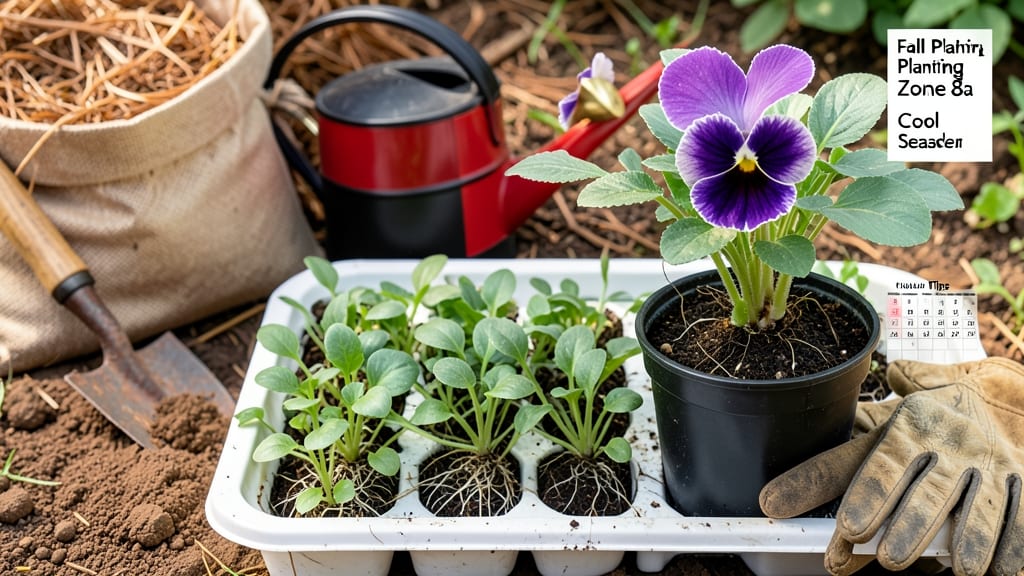
If you’ve ever wondered when is the best time to plant pansies in Georgia, the answer isn’t just about the calendar—it’s about beating the frost.
These cheerful 🌸 blooms thrive when planted just right, and timing them correctly means vibrant color from fall straight through spring, even in Georgia’s unpredictable 7a-8b climate.
Most gardeners assume spring is the only window, but fall planting—between September and October—is actually the game-changer. Why? Because pansies planted in late summer establish roots before winter’s chill, giving you early blooms when other gardens are still bare.
And don’t overlook early spring (February-March) for that second wave of color.
Here’s the secret: 4-6 weeks before your first frost is the sweet spot. In Georgia, that means late summer for fall blooms and early spring for a fresh start. Whether you’re in Atlanta’s cooler Piedmont or Savannah’s milder coastal zone, these timelines adapt to your microclimate—no guesswork needed.
Ready to unlock year-round color? I’ll walk you through the exact steps—from soil prep to frost protection—to keep your pansies blooming like clockwork, no matter what Georgia throws at them.
Georgia’s optimal pansy planting windows by season
Pansies (Viola × wittrockiana) thrive in Georgia’s mild winters but need precise timing to avoid frost damage. The ideal planting windows are September-October for fall blooms and February-March for spring color. These periods balance soil warmth, frost risk, and daylight—critical for vibrant, long-lasting flowers.
Georgia’s USDA Zones 7a-8b experience varying frost dates: North Georgia (Zone 7a) sees earlier frosts (mid-October), while South Georgia (Zone 8a/8b) holds off until November. Align your planting with your local first frost date—typically November 15 statewide—to maximize blooms.
For fall planting, aim for 4-6 weeks before frost (late August to early October). This gives pansies time to establish roots while still enjoying cool temperatures they prefer. Spring planting should occur 4-6 weeks before last frost (late February to early March), ensuring blooms arrive before summer heat.
🌱
North Georgia gardeners (e.g., Atlanta, Dahlonega) should prioritize September planting due to earlier frosts. In contrast, Savannah and coastal areas (Zone 8b) can extend planting into early November with frost protection like row covers. Always check your local frost calendar—extreme weather can shift dates by weeks.
Pansies planted in August may bolt (produce seed pods) before frost if temperatures exceed 80°F. To avoid this, use shade cloth or opt for heat-tolerant varieties like ‘Matrix’ or ‘Cool Wave.’ These heat-resistant pansies handle Georgia’s summer humidity better than traditional types.
For container gardening in urban areas (e.g., Athens, Maconlarger pots (10+ inches) to stabilize soil temperatures. Containers warm faster in spring, so delay planting until mid-March to prevent root stress from warm soil.
🌿
Pro tip: Test your soil’s pH (6.0-7.0) before planting. Georgia’s clay-heavy soils often need compost or peat moss to improve drainage. Amend beds with 2-3 inches of organic matter 2 weeks before planting to give roots a head start.
After planting, mulch with 2-3 inches of straw to insulate roots during winter temperature swings. This simple step can extend blooms by 3-4 weeks in both fall and spring plantings.
How to extend pansy blooms: soil prep and mulching tips
Georgia’s humid summers and cool winters can stress pansies if you don’t prepare their soil and roots properly. The key to long-lasting blooms lies in amending the soil and using the right mulch to insulate against temperature swings.
I’ve learned that neglecting these steps often leads to wilted pansies by late winter, so let’s fix that.
Start by testing your garden soil pH. Pansies thrive in slightly acidic to neutral soil (pH 6.0-7.0).
If your soil is too alkaline, mix in peat moss or compost to lower the pH. I once had pansies in my Atlanta garden that refused to bloom until I adjusted the soil—now I test every year before planting.
Too much nitrogen causes leafy growth but fewer blooms. Use a balanced 5-10-10 fertilizer sparingly—just 1 tbsp per 10 sq ft—and only in early spring and fall. Overdoing it in Georgia’s heat can burn roots and attract pests like aphids.
For urban gardeners or those with containers, use a well-draining potting mix with 20% perlite or vermiculite. I’ve had great success with 50% garden soil, 30% compost, and 20% sand in raised beds. This mix prevents root rot while retaining enough moisture for Georgia’s hot afternoons.
Mulching is non-negotiable in Georgia’s climate. Apply 2-3 inches of organic mulch (like straw or shredded leaves) around pansies to insulate roots during winter freezes and summer heat waves. In my Savannah garden, mulch keeps soil temps 5-10°F warmer in winter, protecting pansies from light frosts (28-32°F).
Watering smartly extends blooms too. Morning watering (before 10 AM) prevents fungal diseases like powdery mildew, which thrives in Georgia’s humid evenings. I water my pansies deeply once a week rather than daily shallow watering—this encourages stronger root systems that handle Georgia’s drought spells.
Finally, deadhead spent blooms regularly to encourage new flowers. I’ve seen pansies in Athens gardens bloom nonstop from October to April when gardeners follow this simple step. Pair these tips with fall planting (covered in Section 1), and you’ll have year-round color with minimal effort. 🌸