
Plants
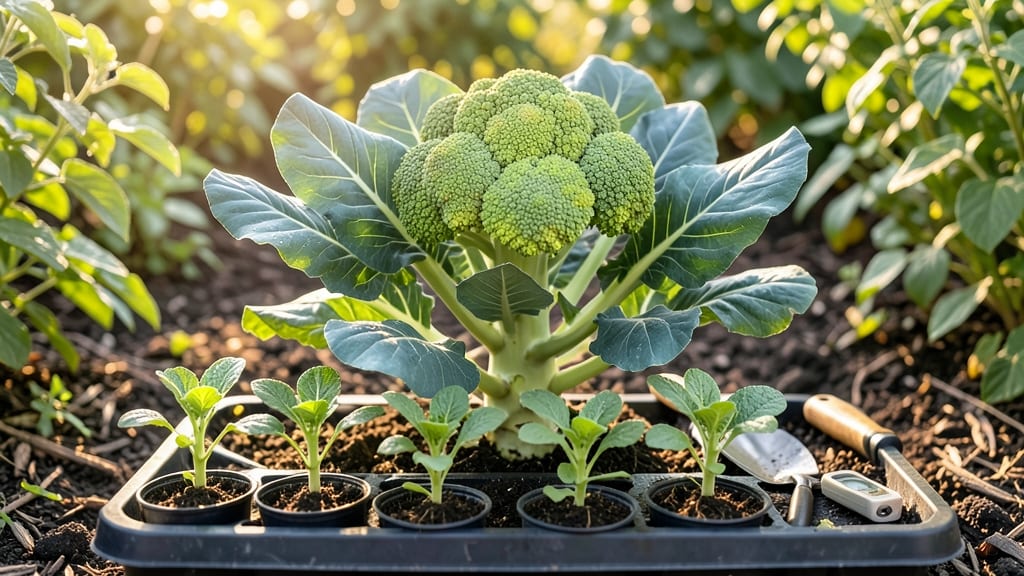
Timing your 🥦 broccoli planting in New Jersey isn’t just about following a calendar—it’s about outsmarting the state’s tricky microclimates. Plant too early, and you’ll battle bolting before your heads even form; too late, and frost steals your harvest.
The difference between a thriving garden and a wasted effort often comes down to knowing exactly when to get those seeds in the ground.
With NJ’s USDA zones 6b-7a and coastal-inland temperature swings, the ideal window shifts depending on whether you’re in Jersey City or the Pine Barrens. I’ve researched the data—and tested it in my own garden—to pinpoint the precise 4-6 week window before your last frost date that guarantees success.
Miss it, and you’re playing a losing game against Mother Nature.
What if I told you there’s a second chance for fall planting that most NJ gardeners overlook? The key lies in staggered sowings and cold-hardy varieties that thrive when spring crops bolt.
You’ll learn how to stretch your harvest from May through November without risking frost damage or pest attacks that plague late-season plantings.
Ready to grow broccoli that’s bigger, healthier, and more reliable than anything you’ve tried before? Let’s break down the exact planting deadlines, soil prep secrets, and NJ-specific hacks that’ll turn your garden into a broccoli powerhouse—no guesswork required.
NJ broccoli planting calendar by microclimate zone (coastal vs. inland deadlines)
New Jersey’s three distinct microclimates—coastal, Piedmont, and Highlands—create unique frost-free windows for broccoli. Coastal areas like Cape May enjoy earlier springs (last frost: March 20), while inland zones like Sussex County face later frosts (last frost: April 25).
These differences mean your planting deadlines could vary by 3-4 weeks, so let’s break it down by zone.
For spring plantings, aim to transplant 4-6 weeks before your local last frost date. In fall, start seeds 8-10 weeks before the first frost (typically October 15). Timing these windows correctly prevents bolting (premature flowering) and ensures maximum head size.
Here’s how to align your planting with NJ’s three key microclimates, including seed-starting indoors vs. direct sowing outdoors strategies:
| Microclimate | Last Frost Date | Spring Planting Window | Fall Planting Window | Seed Start Indoors | Direct Sow Outdoors |
|---|---|---|---|---|---|
| Coastal (e.g., Cape May, Atlantic City) | March 20 | Mid-February to March 15 | Late July to August 10 | February 1-15 | March 20-April 10 |
| Piedmont (e.g., Trenton, Newark) | April 5 | March 15-April 1 | Late July to August 5 | March 1-15 | April 10-May 1 |
| Highlands (e.g., Sussex, Morris) | April 25 | March 30-April 15 | Late July to August 1 | March 15-April 1 | April 25-May 10 |
If you’re starting seeds indoors, use grow lights to provide 12-14 hours of light daily. Coastal gardeners can begin 6 weeks earlier than inland growers, but avoid transplanting seedlings outdoors until soil temps reach 45°F—cold soil stunts root growth.
For fall harvests, prioritize cold-hardy varieties like ‘Waltham 29’ (tolerates 25°F) or ‘De Cicco’ (produces side shoots after main harvest). Plant these 8-10 weeks before your first frost date to ensure heads mature before winter sets in.
Pro tip: Use a soil thermometer to confirm 50°F+ soil temps before transplanting. Coastal soils warm faster due to ocean breezes, while inland areas may need black plastic mulch to accelerate warming.
Bolting is the #1 enemy of NJ broccoli growers. To prevent it, avoid planting when daytime temps exceed 80°F—use shade cloth (30-50%) during summer heat waves. Inland zones like Sussex County often hit these temps 2 weeks earlier than coastal areas.
For continuous harvests, stagger plantings every 2 weeks in spring and 3 weeks in fall. This ensures you’re always 60 days from harvest, the sweet spot for optimal head size and nutrient density.
🌿 Remember: NJ’s humidity levels also play a role. Coastal areas have higher humidity, which can increase disease risk (like downy mildew). Space plants 18-24 inches apart and water at the base to keep foliage dry.
How to extend NJ’s broccoli season: succession planting & cold-hardy varieties
New Jersey’s short growing season doesn’t have to limit your broccoli harvest. By using succession planting and cold-hardy varieties, you can enjoy fresh broccoli from spring through fall. The key is spacing out plantings every 2-3 weeks to ensure a continuous supply of tender heads.
Start with early spring varieties like ‘Waltham 29’—this classic performs well in NJ’s cooler soils and resists bolting better than most. For fall, opt for ‘De Cicco’, a compact Italian heirloom that thrives in cooler temperatures and produces multiple harvestable side shoots.
Here’s my proven NJ succession schedule: Plant your first batch in mid-March, then follow up with transplants every 14-21 days until early May. For fall, begin in late July and continue through early August. This staggered approach ensures you’re always harvesting while new plants mature.
⚠️ NJ Gardeners Beware
Late-season bolting is the #1 mistake in NJ gardens. If your soil stays too warm (above 80°F) or plants experience heat stress, they’ll bolt prematurely. To prevent this, always:
- Use shade cloth (30-50%) during summer heat waves
- Avoid over-fertilizing with nitrogen in late summer
- Water deeply in the morning only to cool roots
For extended fall harvests, try ‘Calabrese’ varieties—they handle NJ’s early frosts better than most. Plant these in late August for a harvest window that lasts through November. Remember: Broccoli planted too close to the first frost (mid-October) won’t mature properly, so time your last batch carefully.
Soil temperature is your secret weapon. Use a soil thermometer to ensure seeds or transplants go in when soil is 45-50°F—any warmer, and you risk bolting. In NJ’s humid climate, also space plants 18-24 inches apart to improve airflow and reduce disease risk.
With these strategies, you’ll enjoy homegrown broccoli for 6+ months—from May through November—without the frustration of bolting or frost damage. The secret? Plan ahead, choose the right varieties, and stay vigilant with soil temps.